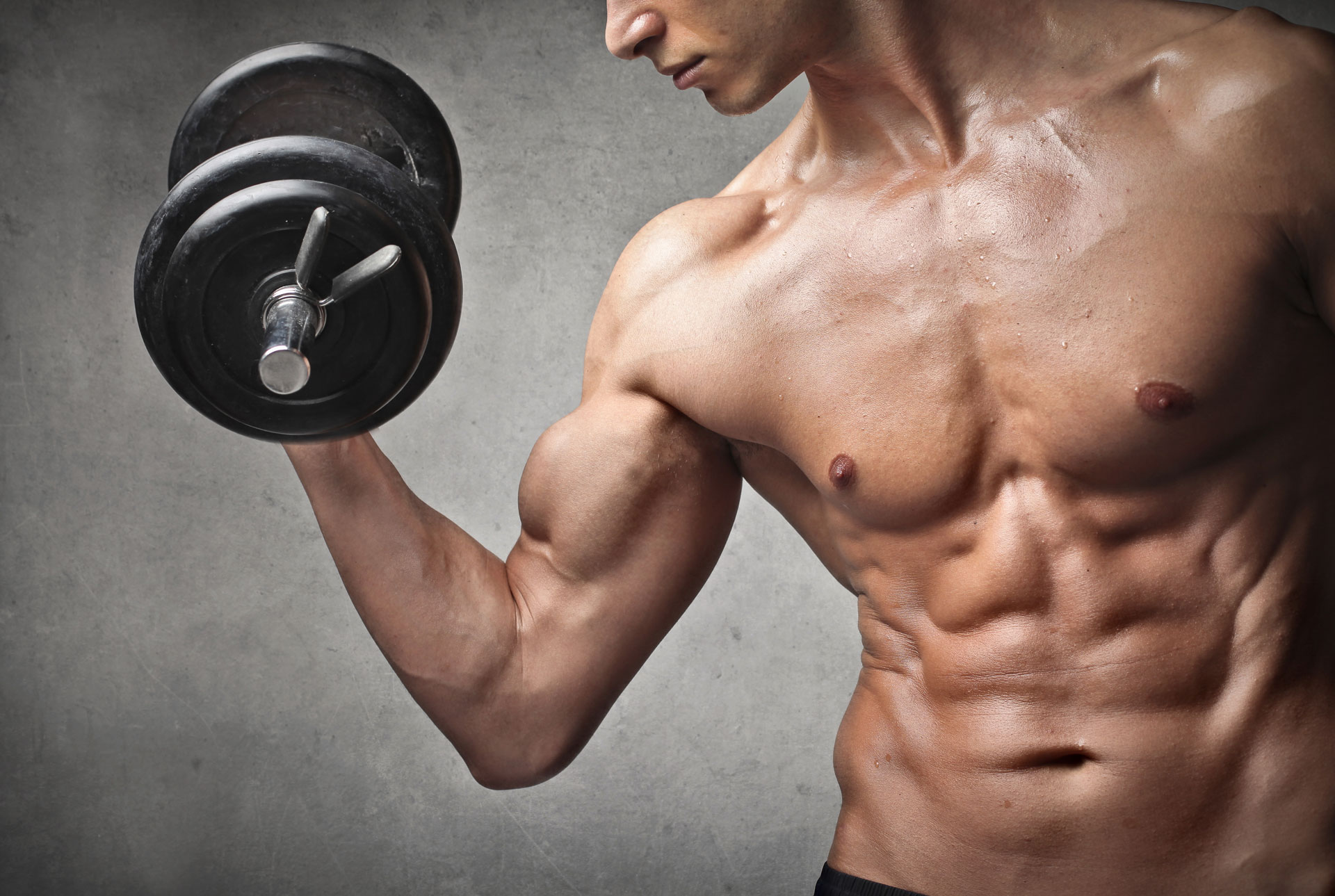
What Are the Best Free Weights Exercises for Building Biceps?

This article provides a comprehensive guide on free weights exercises for biceps, highlighting effective exercises such as bicep curls, hammer curls, and preacher curls. It recommends performing these exercises 1-3 times weekly for optimal results, especially for beginners. Proper form is emphasized to maximize effectiveness and prevent injuries. Nutrition plays a critical role in muscle recovery, with a balanced diet rich in protein being essential. Combining these exercises with other workouts and ensuring adequate rest are key to enhancing strength and muscle growth.

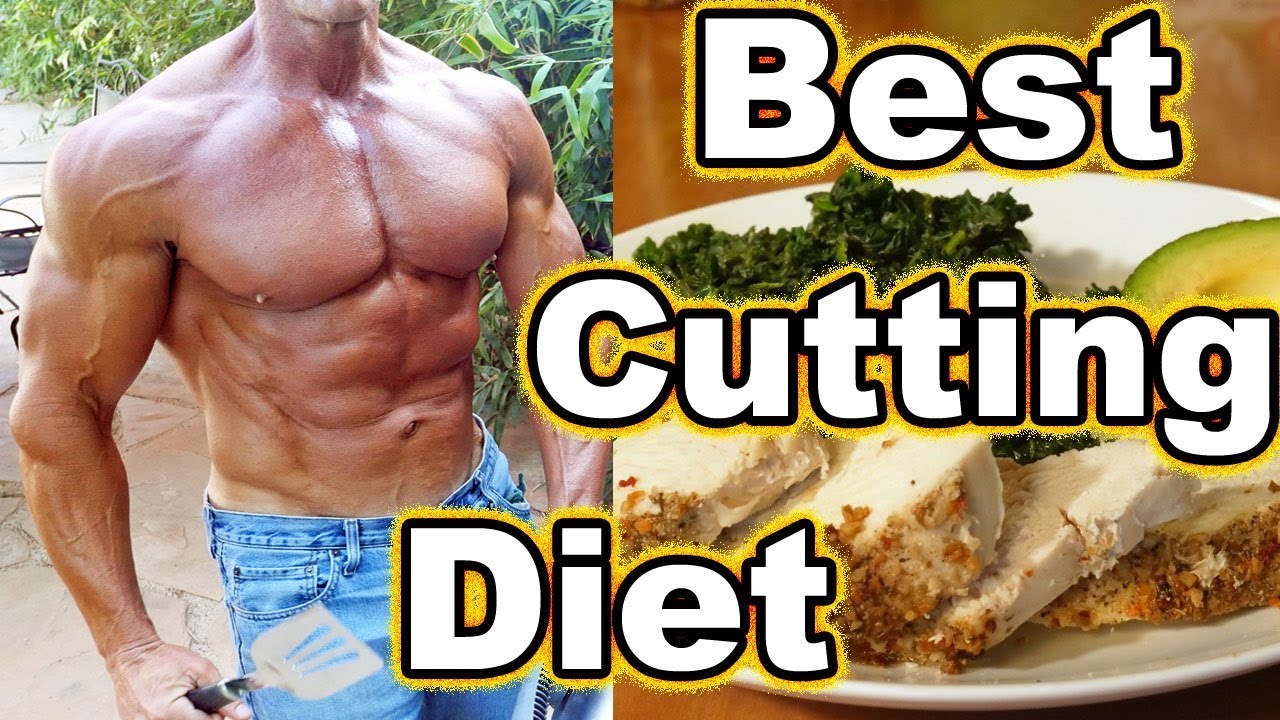
What Is a Cutting Diet and Why Is It Important for Bodybuilders?

A cutting diet emphasizes losing fat while preserving muscle, crucial before competitions for visibility and aesthetics. It lasts 4 to 16 weeks based on individual factors. Foods include lean proteins and healthy fats. Differing from general weight-loss plans, it focuses on nutrient timing. Exercise is vital to maintain muscle. Proper hydration and moderate calorie cuts support efficiency.

What is Glutamine and Why is it Important in Our Diet?

Glutamine is an amino acid crucial for several body functions, including immune support and intestinal health. Found abundantly in beef, chicken, fish, dairy, beans, and spinach, it is important for recovery and metabolism. While generally safe in food, excessive supplements may have side effects.

What is MCT Oil and How Does It Benefit Your Health?

MCT oil, derived from coconut and palm kernel oils, contains medium-length fatty acids that are metabolized differently than long-chain triglycerides. It’s popular for potential benefits like aiding weight loss by increasing fat burning and reducing appetite, enhancing energy and endurance, supporting gut health through antimicrobial properties, and improving cognitive function by providing an energy source for brain cells. While generally safe, excessive intake could cause gastrointestinal discomfort. Consult a healthcare provider before use.

What Are Amino Acid Pills and How Do They Work?

Amino acids pills are dietary supplements providing essential amino acids, supporting muscle growth, recovery, and overall health. Essential for protein synthesis and hormone regulation, they aid athletes by reducing soreness and enhancing muscle mass. Different types include BCAAs for muscle growth and EAAs for broader support.

What Are MCT Foods? A Guide to Medium-Chain Triglycerides

MCT foods are high in medium-chain triglycerides, a fat type found in oils and dairy. MCTs offer quick energy, support weight loss, and may boost mental clarity, making them popular among athletes and fitness enthusiasts. Coconut oil is a rich MCT source, with MCT oil providing a more concentrated form. Excessive intake may cause digestive issues, so start with small amounts. Always consult a healthcare provider if unsure about incorporating MCTs into your diet.

What are Amino Acids and How Do They Contribute to Energy Production?

Amino acids are organic compounds that form proteins, essential for energy production, muscle repair, and growth. Among the 20 different amino acids, nine are essential and must be obtained through diet or supplements. They aid in ATP production and reduce fatigue. Supplements should be taken in recommended dosages and not replace carbohydrates entirely for energy.

What Are Liquid Amino Acids and How Do They Work?

Liquid amino acids are concentrated solutions containing essential amino acids crucial for bodily functions. Derived from natural sources like soy or coconut, they are convenient supplements for enhancing amino acid intake. In fitness, they aid muscle building and recovery by providing quick absorption for protein synthesis and energy production. While beneficial, they may not be suitable for everyone and should be consumed following dosage recommendations to avoid side effects. Vegans and vegetarians can find plant-derived options, and flavored varieties are available for better palatability.

What Are Muscle Gain Supplements and Do They Really Work?

Muscle gain supplements support growth and performance, featuring proteins and amino acids. They are safe when used as directed. Types include protein powders and creatine. Supplements should complement, not replace, a balanced diet. They are often taken around workouts. Combining different supplements can be effective if dosages aren’t exceeded.

What is Cutting in Dieting: A Comprehensive Guide

Cutting is a common phase in bodybuilding focused on reducing body fat while maintaining muscle mass to achieve a lean physique. Starting involves creating a calorie deficit while maintaining high protein intake. Common mistakes include cutting calories too drastically, affecting muscle and metabolism. Effective cutting is indicated by decreased body fat and improved muscle definition without significant fatigue or negative impacts on mood.

How Can Workout Motivation Quotes Boost My Fitness Journey?

Workout motivation quotes are popular psychological tools that inspire individuals to achieve fitness goals by enhancing energy and focus. By integrating quotes into daily routines—like placing them on visible surfaces or reading them aloud before workouts—they set a determined tone. Famous athletes also use them, sharing quotes that resonate with personal experiences. Quotes support long-term goals, fostering encouragement and creating a resilient mindset. Sharing them on social media with your fitness community expands motivation, though they should be complemented with professional fitness advice. Regularly changing quotes keeps motivation fresh.

Top 10 Inspirational Gym Quotes to Keep You Motivated

Gym motivation quotes are inspiring phrases designed to encourage individuals to persevere through challenging workouts. They enhance motivation by tapping into emotions and promoting positive attitudes towards fitness. Available on social media, workout apps, and gym walls, these quotes help both beginners and experienced athletes maintain focus and consistency in their fitness journey. Personalizing motivational quotes can be particularly impactful as they resonate deeply with one’s unique experiences and goals.

What Makes Tuna a High-Protein Food?

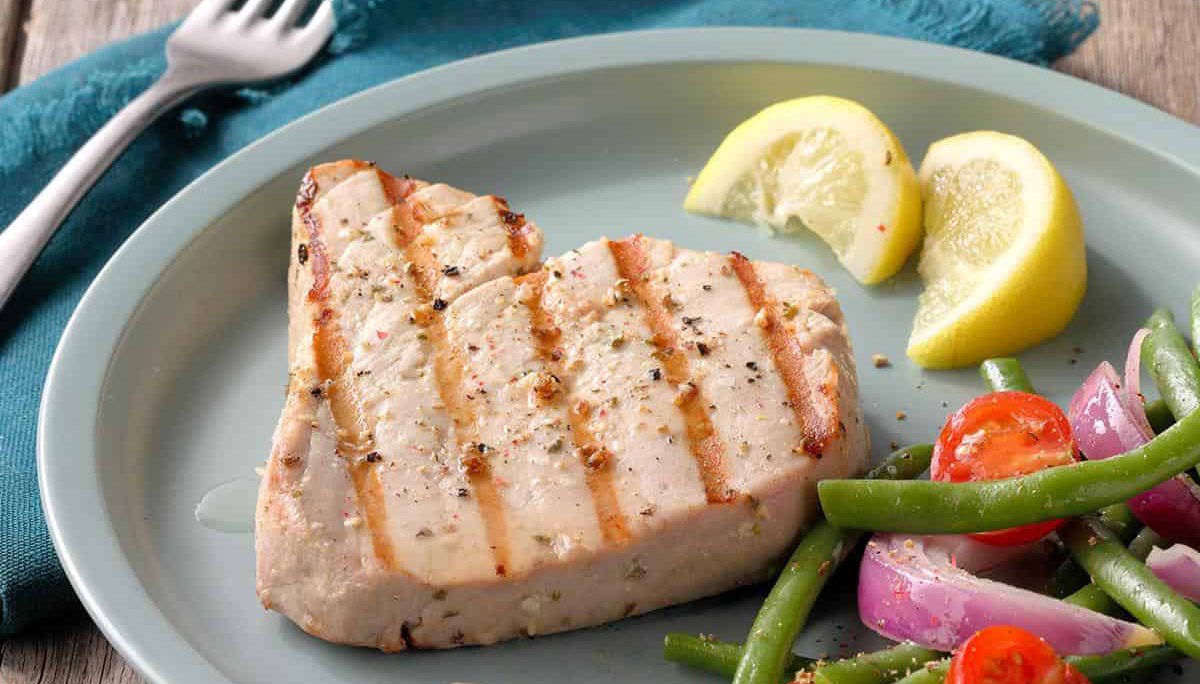
Tuna protein refers to the high-quality protein content found in tuna fish, offering a complete protein source with all essential amino acids. A typical 100-gram serving of tuna contains roughly 25 grams of protein, making it an excellent choice for muscle repair and growth. Additionally, tuna is low in calories and fat, enriched with omega-3 fatty acids, supporting heart health and aiding athletes by enhancing performance and reducing muscle soreness.

Why is Chicken Breast Considered a High-Protein Food?

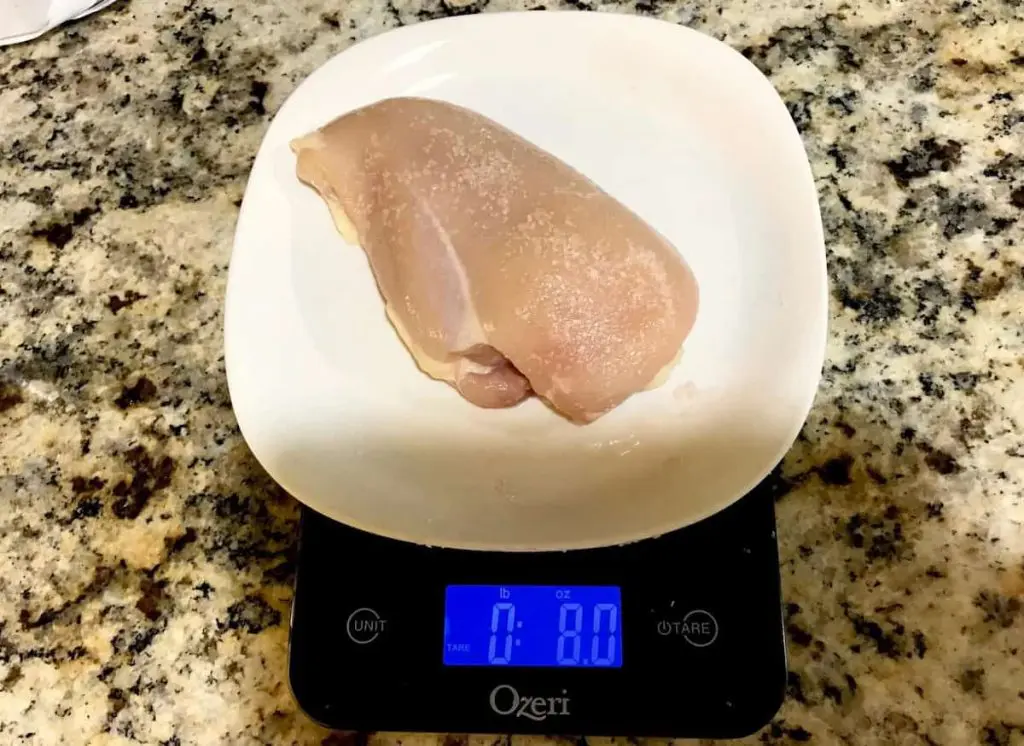
Chicken breast is a top choice for lean protein, supplying about 31 grams per 3.5-ounce serving. It’s favored for low fat and carb content, aiding protein intake without excess calories. It contains essential amino acids for muscle repair and growth, ideal for athletes. It’s a complete protein, featuring all nine essential amino acids.

How Many Calories Are in an Egg White?

Egg whites are renowned for being a low-calorie, high-protein food. A single large egg white contains about 17 calories. Whole eggs have approximately 70 calories mostly due to the yolk. Egg whites are beneficial for muscle repair and growth but lack the nutrients found in yolks.

What Are the Nutritional Benefits of Egg Whites?

Egg whites are a high-protein, low-calorie food primarily composed of water and proteins like riboflavin and selenium. They have no fat or cholesterol, making them ideal for weight loss and muscle building. A single egg white provides about 3.6 grams of protein, supporting muscle maintenance and growth.

How to Perfectly Whip Egg Whites for Fluffy Desserts

Egg whites offer numerous health benefits, being low in calories and rich in protein, essential amino acids, vitamins, and minerals. They are adaptable in recipes, from meringues to omelets. Tips for perfect whipping include using a grease-free bowl and room temperature whites. Egg whites freeze well and are ideal for weight loss plans. For substitutions, aquafaba and silken tofu work well.

What Are Liquid Egg Whites and How Are They Made?

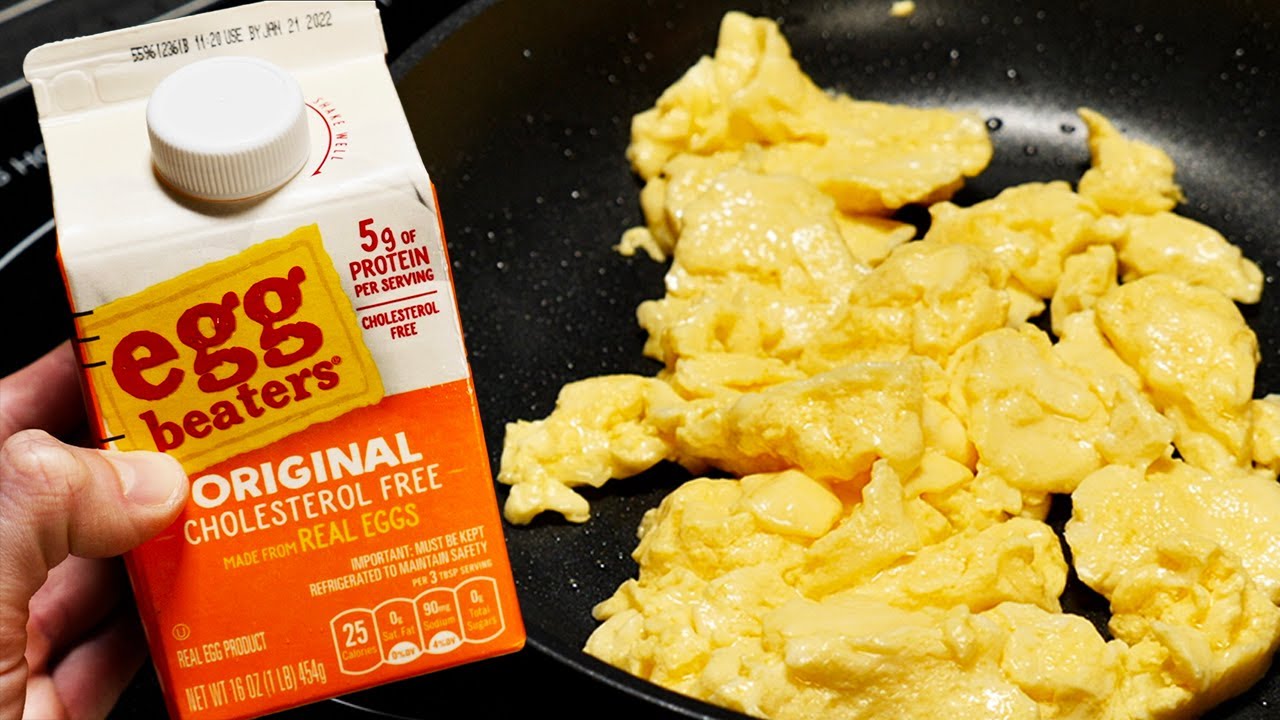
Liquid egg whites are the clear, viscous portion of an egg without the yolk, known for being high in protein and low in calories. They are often packaged in cartons or bottles, ensuring convenience and a longer shelf life. Many are pasteurized to minimize salmonella risk, making them safe to consume raw. A great protein source, they can be used in smoothies, scrambled for breakfast, or in baking. Available at most grocery stores, they offer a convenient, cholesterol-free alternative for fitness enthusiasts and those seeking easy meal prep solutions.

What is a Cutting Diet? A Comprehensive Guide for Beginners

FAQ on Effective Cutting Diets: A cutting diet focuses on losing body fat while preserving muscle mass, often utilized by bodybuilders. Start by reducing calorie intake by 15-25% and consume sufficient protein to maintain muscle. Include lean proteins, whole grains, fruits, and healthy fats. Aim for 1.0 to 1.5 grams of protein per pound of body weight.

How Many Grams of Protein Are in a Chicken Breast?

A typical 3.5-ounce (100-gram) serving of cooked, boneless, and skinless chicken breast contains about 31 grams of protein. This source of lean protein is ideal for muscle building. Cooking methods don’t significantly alter the protein content, though frying adds calories. Chicken breast compares favorably to other meats due to its low fat content.

How to Make a Perfect Egg Whites Omelette: Tips and Tricks

An egg white omelette is a dish made using only the whites of eggs, popular for its high protein and low calorie content. It’s often chosen for reducing cholesterol or building muscle. To enhance flavor, add herbs, vegetables, or spices. While easy to cook, it requires a slightly different technique than regular omelettes. Including lean meats can boost protein content, aligning well with fitness goals. It’s beneficial for weight loss due to its satisfying protein levels and can be paired with vegetables for added nutrition.

How Much Protein is in a Chicken Breast?

Chicken breast is an excellent source of lean protein, providing around 31 grams per 100 grams. It is favored for its high protein and low fat, making it ideal for muscle growth and repair. Cooking methods like grilling retain its protein. It aids in weight loss and heart health, making it versatile for various diets.

How Much Protein is in 100g of Chicken Breast?

Chicken breast, known for its high protein and low fat content, offers about 31 grams of protein per 100g serving. With only 165 calories, it’s a top choice for fitness enthusiasts aiming to build muscle or lose weight. This lean protein source is versatile enough for various dietary plans, contributing to satiety while supporting nutritional needs.

How Much Protein Is in Different Types of Tuna?

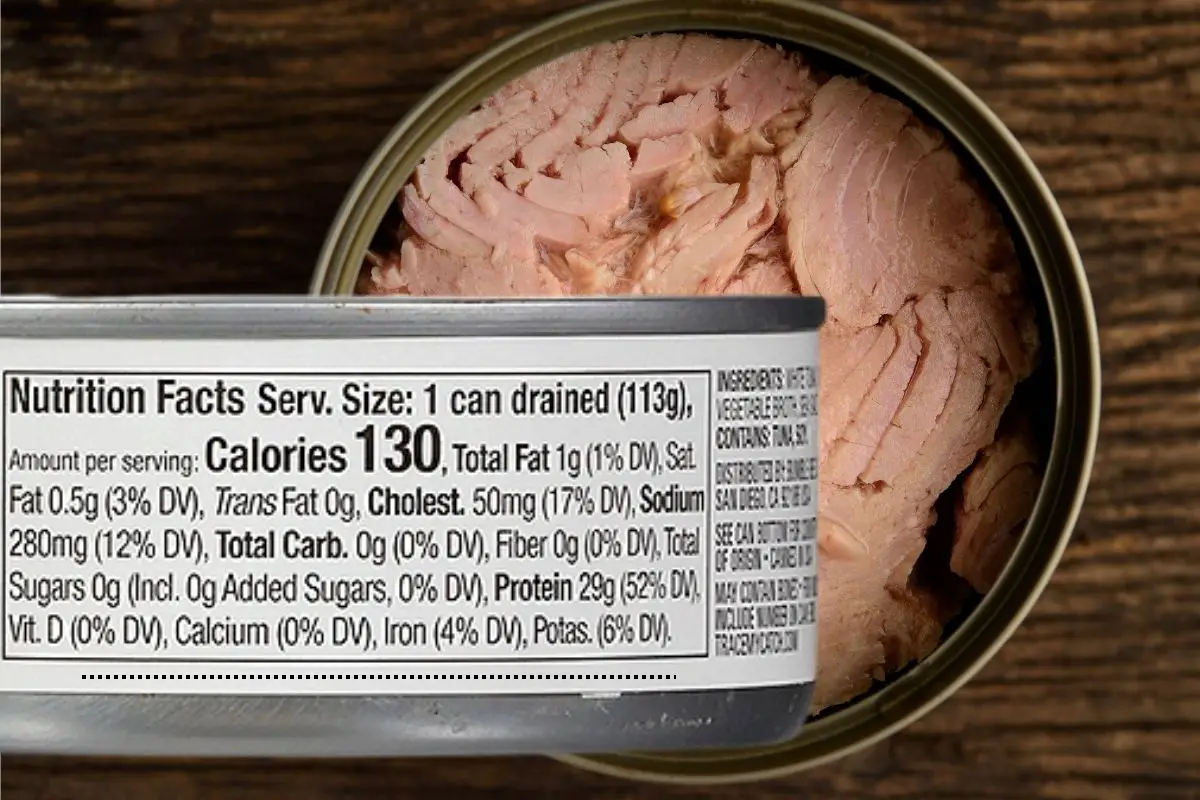
Tuna is a popular choice for increasing protein intake with about 24 to 27 grams per 100 grams serving. Fresh and canned tuna have similar protein levels, making both options convenient. Compared to other proteins like chicken, tuna offers a comparable protein amount with lower fat. Eating tuna supports muscle building, is rich in omega-3 fatty acids, and can aid in weight loss due to its high protein and low-calorie content. However, it’s important to be mindful of mercury levels and consume in moderation.

What Are Weight Gainers and How Do They Work?

Generate an excerpt of 250 chars from this article:

Frequently Asked Questions About Weight Gainers

What is a weight gainer?

A weight gainer is a nutritional supplement designed to help individuals increase their calorie intake, usually in the form of proteins, carbohydrates, and sometimes fats. These supplements are especially popular among bodybuilders, athletes, and people who struggle to gain weight through regular dieting alone. They come in powder form and are usually mixed with milk or water.

Who should use a weight gainer?

Weight gainers are ideal for individuals who have a difficult time consuming enough calories and nutrients through regular diets. This can include hard gainers (people with fast metabolisms), athletes who need extra energy for workouts, or anyone looking to build muscle mass. Always consult with a healthcare provider or a nutritionist before starting any supplement regimen to ensure it aligns with your specific health needs.

Are weight gainers safe to use?

Generally, weight gainers are safe when used as directed, but it’s essential to choose a high-quality product from a reputable brand. Some may contain additives or fillers, so it’s important to read the label and ingredient list carefully. People with certain medical conditions or dietary restrictions should seek advice from healthcare professionals before use.

How should I incorporate a weight gainer into my diet?

To effectively incorporate it into your diet, consider your daily calorie needs and figure out how a weight gainer fits. Use it as a supplement to your meals rather than a meal replacement. Ideally, use it pre- or post-workout to replenish energy reserves and support muscle recovery. It’s important to also maintain a balanced diet with whole foods for optimal health.

What are the potential side effects?

Some individuals might experience digestive issues such as bloating, gas, or upset stomach when first starting a supplement routine. To minimize these side effects, start with smaller servings and gradually increase them as your body adjusts. Always keep an eye on sugar content, as some products may contain high levels that could affect blood sugar levels.

How do weight gainers differ from protein powders?

While both supplements aim to support muscle growth and recovery, weight gainers typically have more calories because they contain additional carbohydrates and sometimes fats. Protein powders usually focus on delivering high-quality protein with fewer overall calories. For those primarily looking to increase calorie intake and gain weight, weight gainers are the more suitable option.

How do I choose the right product?

When choosing a product, evaluate factors such as nutritional content, taste, mixability, and brand reputation. Look for options with high protein content, moderate carbs, and minimal added sugars. Reading reviews and possibly consulting with a nutritionist can provide additional guidance in selecting the best fit for your needs.

How useful was this post?

Click on a star to rate it!

Average rating / 5. Vote count:

No votes so far! Be the first to rate this post.

We are sorry that this post was not useful for you!

Let us improve this post!

Tell us how we can improve this post?

Can I use weight gainers if I’m trying to lose weight?

These supplements are not recommended for weight loss since they are calorie-dense and designed specifically to help gain weight. However, they might have a place in the diet of someone looking to increase muscle mass while managing overall body composition. Always consider your specific fitness and health goals.

How effective are weight gainers in building muscle?

When combined with a consistent exercise program, particularly strength training, weight gainers can effectively support muscle growth by providing the necessary calories and nutrients. They are not magical solutions, but rather tools that can help you meet your dietary goals.

Why doesn’t the product work for some people?

If the supplement does not seem to be working, it might be due to insufficient calorie intake overall, not enough physical activity, or an improper balance of macronutrients. Sometimes, adjustments in diet and exercise routines are necessary to see results.

Hashtags for additional outreach: #faq #stayfit #bodybuilding.

What Defines an Omega-Level Mutant in the Marvel Universe?

Omega level mutants are individuals in the Marvel Universe possessing mutations with the highest possible levels of power and potential. Their abilities can manifest in various forms, such as telekinesis, energy manipulation, or weather control. This class’s limitless potential allows them to pose significant threats in both heroic and antagonistic roles. Despite their immense power, omega level mutants can still be vulnerable to external threats.

What is Whey and How is it Produced?

Generate an excerpt of 250 chars from this article:

Frequently Asked Questions About Whey Protein

What is Whey Protein?

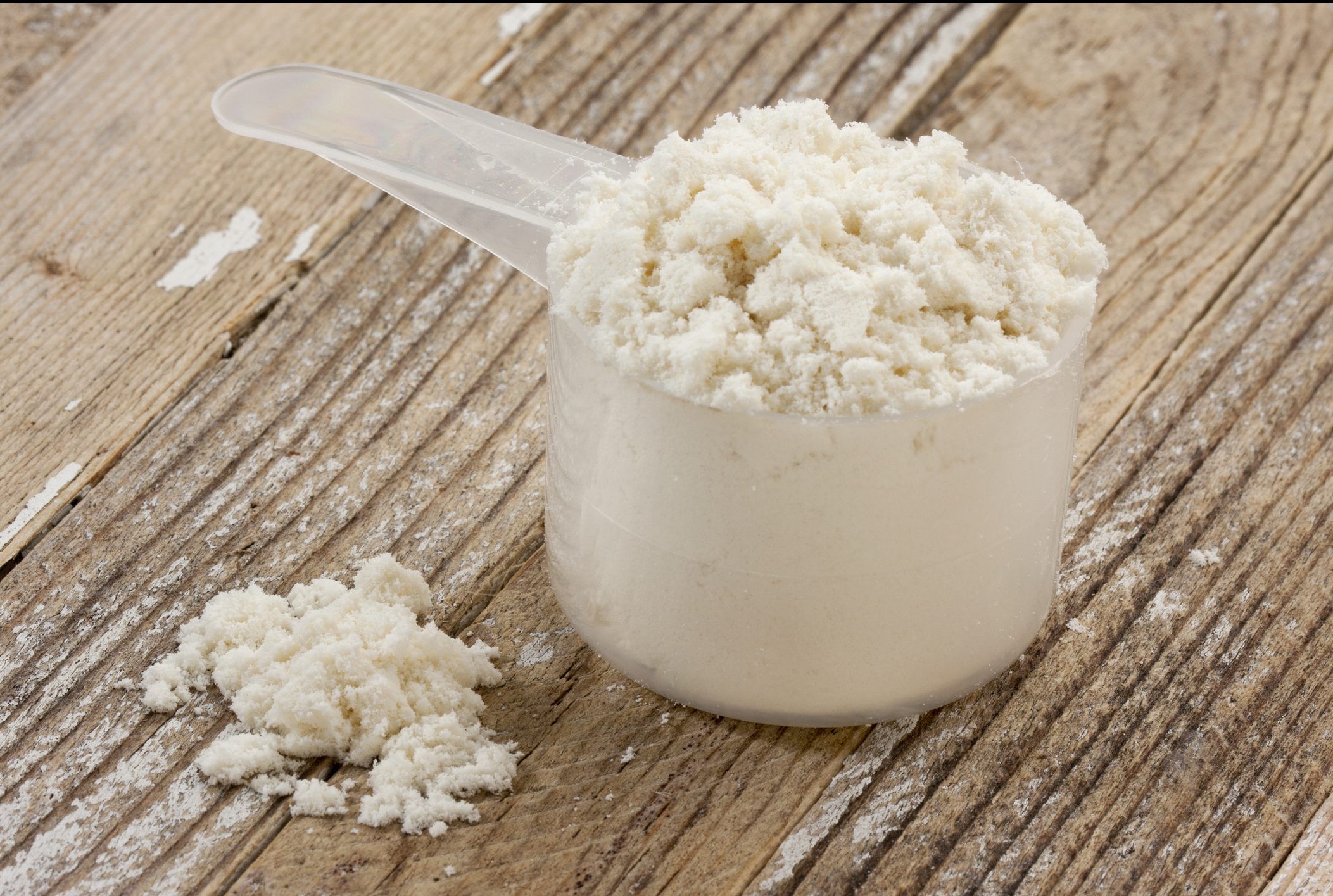
Whey protein is a popular dietary supplement derived from milk during the cheese-making process. It is a high-quality protein source packed with essential amino acids, which are crucial for muscle growth and repair. This makes whey an excellent option for athletes, bodybuilders, and individuals looking to increase their protein intake.

How is Whey Protein Made?

The production of whey protein begins with the separation of curds and whey during cheese production. The liquid whey is then processed and filtered to remove fats and carbohydrates, leaving a concentrated protein-rich powder. This powder is further refined to form whey protein concentrate, isolate, or hydrolysate, depending on the intended use and required purity levels.

What Are the Different Types of Whey Protein?

There are three primary types of whey protein:

  1. Whey Protein Concentrate (WPC): Contains around 70-80% protein, with some fats and carbohydrates. It is the least processed form of whey and retains more nutrients from the milk.

  2. Whey Protein Isolate (WPI): Contains at least 90% protein and is further processed to remove virtually all fats and carbs, making it suitable for those who are lactose intolerant.

  3. Whey Protein Hydrolysate (WPH): This is pre-digested whey protein, allowing faster absorption in the body. It is often used in medical protein supplements and infant formulas.

Why Choose Whey Protein?

Whey protein is considered one of the best sources of protein due to its high biological value, meaning that the body can easily and efficiently utilize it. It supports muscle repair, aids in weight management by promoting satiety, and boosts the immune system through the presence of immune-enhancing compounds.

How Should Whey Protein be Consumed?

After workouts is an optimal time to consume whey protein, as it helps promote muscle recovery and growth. Whey protein can be mixed with water, milk, or added to smoothies. The recommended daily intake varies based on an individual’s fitness goals and dietary needs, but a general guideline is around 20-30 grams per serving.

Are There Any Side Effects?

Whey protein is generally safe for most people, but overconsumption can lead to digestive issues, such as bloating and cramps. Those with lactose intolerance should opt for whey protein isolates, which contain minimal lactose.

Is Whey Protein Suitable for Everyone?

Whey protein can be beneficial to a broad audience, including those looking to build muscle, lose weight, or supplement their diet with extra protein. However, it is not suitable for individuals with milk allergies. Additionally, consulting a healthcare professional is advisable if you have any existing medical conditions or concerns.

Where Can I Buy Whey Protein?

Whey protein is available in most health food stores, pharmacies, and online retailers. When purchasing, it’s essential to consider the reputation of the brand, ingredient lists, and quality standards.

How Long Does Whey Protein Last?

Typically, whey protein has a shelf life of around 12-18 months when stored in a cool, dry place. Check the expiration date on the packaging for specific information.

How Do I Store Whey Protein?

Whey protein should be stored in an airtight container, away from moisture and direct sunlight, to maintain its quality over time.

How useful was this post?

Click on a star to rate it!

Average rating / 5. Vote count:

No votes so far! Be the first to rate this post.

We are sorry that this post was not useful for you!

Let us improve this post!

Tell us how we can improve this post?

These FAQs should help you understand what whey protein is and how it can benefit your fitness and health goals. Remember, every individual’s needs may vary, so it’s crucial to tailor your protein intake accordingly.

What is Genotropin and How Does It Work?

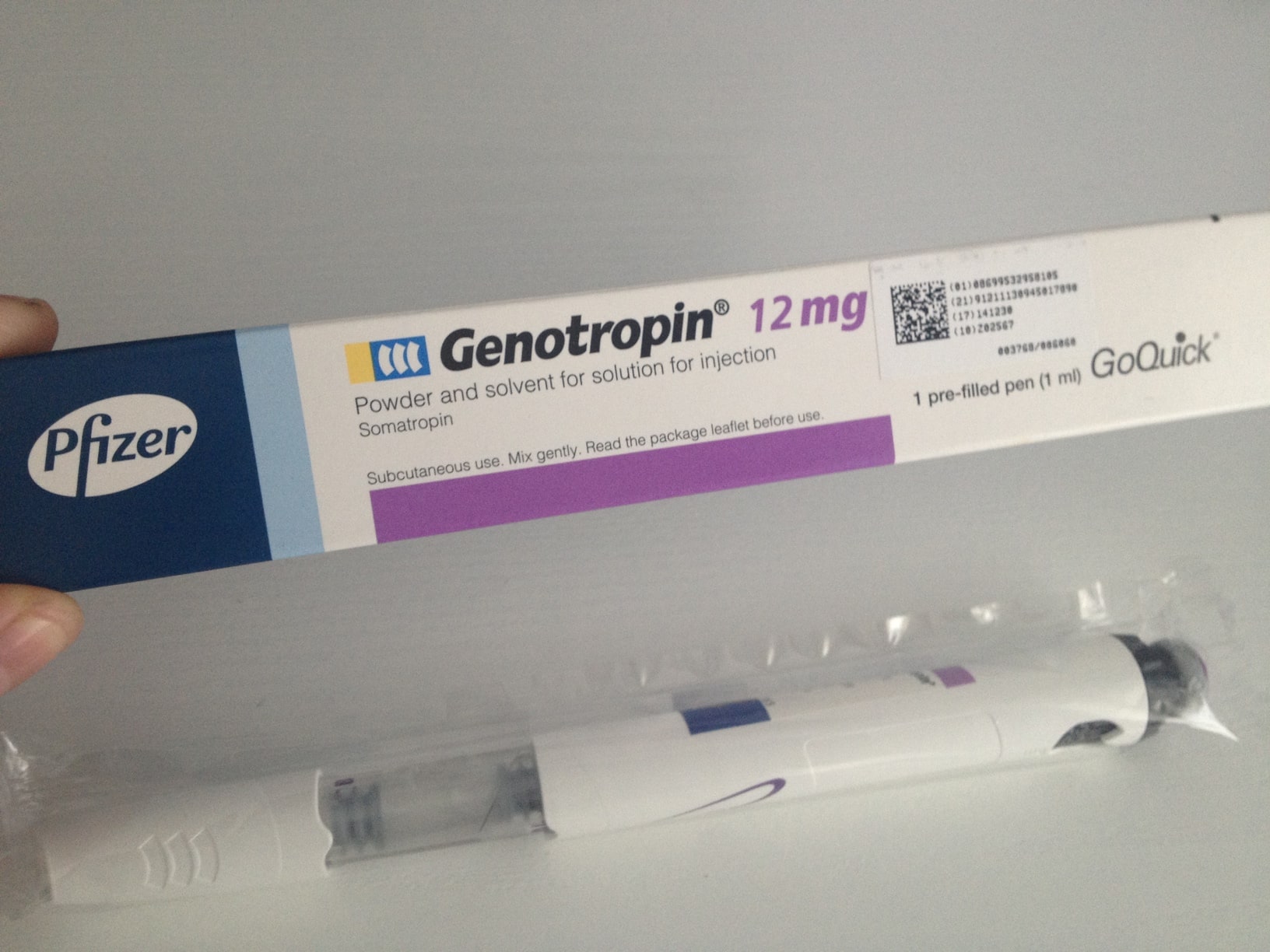
Genotropin is a synthetic human growth hormone (HGH) for treating growth hormone deficiencies. It’s used for children with growth failure and adults with confirmed deficiency. Typically injected subcutaneously, it mimics natural hormones to stimulate growth. Conditions treated include Turner syndrome, Prader-Willi syndrome, and more.

Understanding Cabergoline: Common Side Effects and How to Manage Them

Cabergoline is a medication primarily used to treat high levels of the hormone prolactin, with common side effects including nausea and dizziness. Serious side effects may include heart valve issues. Weight gain is not commonly reported, but individual responses can vary. Cabergoline may interact with other medications, so it’s essential to consult a healthcare provider before starting use. Regular monitoring is recommended due to potential long-term risks like heart valve problems.

What Are the Best Calf Exercises for Building Strength?

Calf exercises like standing and seated calf raises, donkey raises, and calf presses are key to building strength. Perform them 2-3 times weekly for optimal gains, with rest days to avoid overtraining. Strong calves are crucial for injury prevention, athletic performance, and overall leg strength.

Left Menu Icon
Your Cart