
Who cannot take steroids?
Introduction
Steroid use has gained significant attention in recent years, particularly in the realms of sports, bodybuilding, and medicine. While steroids can offer numerous benefits, not everyone is suitable for their use. In this article, we will delve into the question, “Who cannot take steroids?” to understand the various factors that influence steroid eligibility.
This exploration is pivotal, as understanding the risks and contraindications can help individuals make informed decisions about their health and wellness.
Understanding Steroids
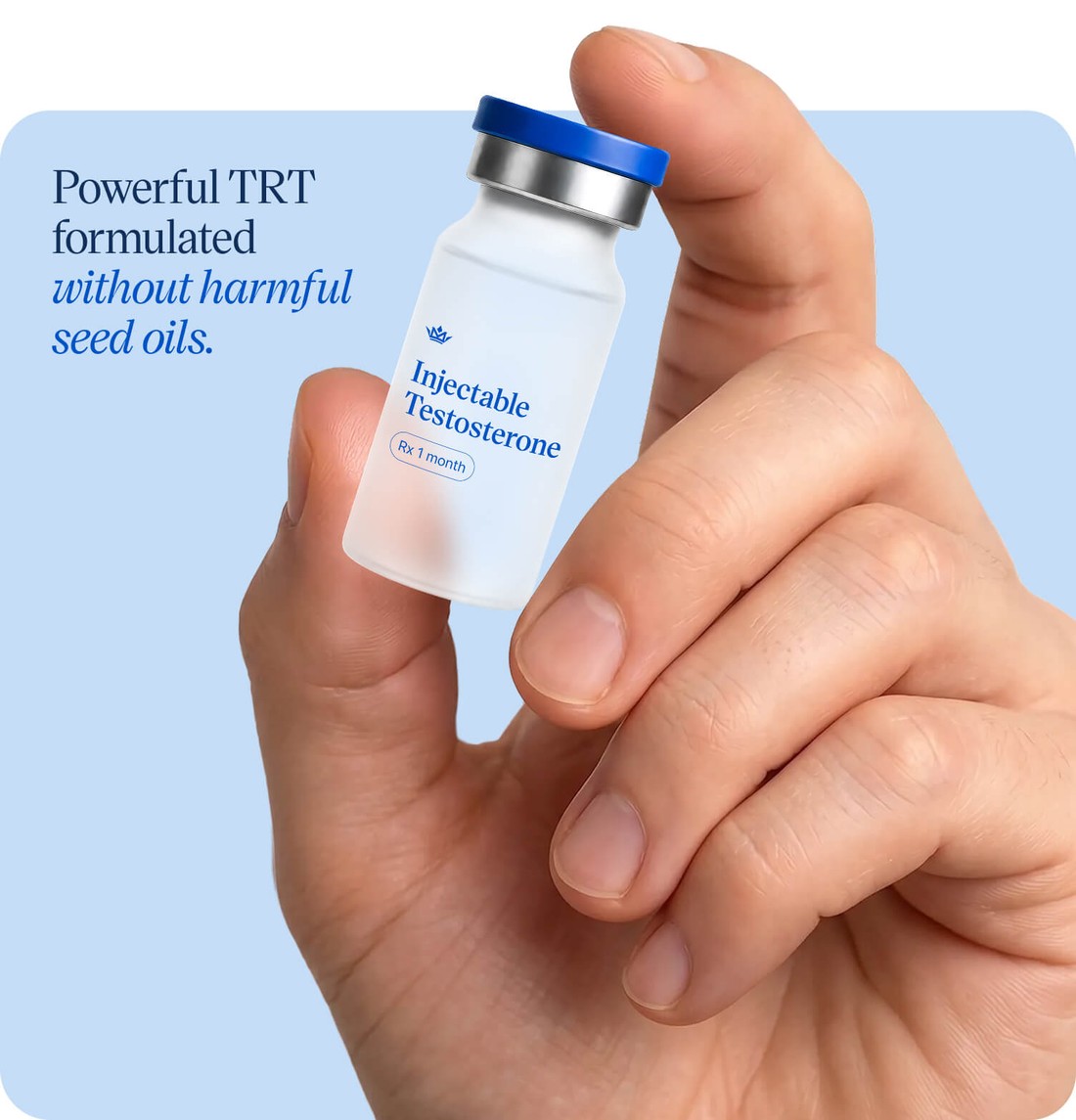
Before discussing who should avoid steroid use, it is essential to comprehend what steroids are. Steroids are synthetic variations of testosterone, a crucial hormone in the human body. They are primarily classified into two categories:
- Anabolic steroids: Promote muscle growth and enhance athletic performance.
- Corticosteroids: Often prescribed to reduce inflammation and treat various medical conditions.
While steroids can offer significant medical benefits, their misuse can lead to severe physical and psychological side effects. Thus, determining who cannot take steroids is crucial for ensuring safety.
Who is Advised Against Taking Steroids?
Several groups of individuals should refrain from using steroids due to health-related reasons:
1. Pregnant or Nursing Women
Pregnant or breastfeeding women are strongly discouraged from using steroids. The effects of steroids on a developing fetus or nursing infant can be detrimental. Hormonal imbalances and developmental issues may arise, making it vital to avoid exposures during these critical periods.
2. Individuals with Pre-existing Medical Conditions
Certain medical conditions make steroid use hazardous. These include:
- Heart Diseases: Steroids can exacerbate cardiovascular problems.
- Liver Disease: Since steroids are metabolized in the liver, pre-existing conditions can worsen liver function.
- Kidney Disorders: Steroids may strain kidneys and worsen existing complications.
- Cancer: Particularly hormonal-sensitive cancers, like breast and prostate cancer, can be adversely affected by steroid use.
If you have any medical history involving these conditions, it’s crucial to consult a healthcare provider before considering steroids.
3. Adolescents
The use of steroids in adolescents is particularly concerning due to the ongoing physical development during this stage of life. Utilizing steroids can hinder natural growth and cause hormonal imbalances. Risks include:
- Premature closure of growth plates
- Severe psychological impacts
- Increased risk of addiction
To ensure healthy development, it’s best for adolescents to avoid steroids altogether.
4. Individuals with Mental Health Issues
Steroids can lead to profound psychological changes. Individuals with a history of mental health disorders such as depression, anxiety, or bipolar disorder may experience exacerbated symptoms when using steroids. Potential side effects include:
- Aggression and irritability
- Psychosis and mood swings
- Increased risk of suicidal tendencies
For those with mental health conditions, avoiding steroid use can lead to better overall psychological stability.
5. The Elderly
Older adults may face heightened risks when using steroids. Age-related health problems can increase the likelihood of adverse effects, particularly regarding cardiovascular health and hormone metabolism. Therefore, healthcare providers often require thorough assessments before considering steroids for older patients.
6. Individuals on Certain Medications
If you are taking medications that may interact negatively with steroids, consulting a healthcare provider is crucial. Such medications include:
- Blood thinners
- Certain antidepressants
- Insulin or medications for diabetes
Drug interactions may compromise health and may necessitate avoiding steroids altogether.
Additional Considerations
Beyond specific health conditions and demographics, there are additional factors to consider when evaluating who cannot take steroids:
- History of Substance Abuse: Individuals with prior substance abuse problems may be prone to addiction issues and should avoid steroids.
- Allergies: Those who have had allergic reactions to steroids should not use them.
It’s essential to maintain open communication with healthcare providers regarding your complete health history to minimize risks associated with steroid use.
Conclusion
In conclusion, steroid use can pose significant health risks, particularly to certain populations. Understanding “Who cannot take steroids?” is key to preventing unnecessary complications and promoting overall health. If you belong to a category discussed here or have concerns about steroid use, consulting a healthcare professional is imperative. This approach ensures that your health is prioritized, and safe alternatives can be explored.
FAQ
1. Why are pregnant women advised against taking steroids?
Pregnant women are discouraged from using steroids because they may harm the developing fetus, leading to developmental issues.
2. Can adolescents use steroids safely?
No, adolescents should avoid steroids as they can hinder natural growth and lead to hormonal imbalances.
3. What are the risks of steroid use for individuals with heart disease?
Steroid use can exacerbate pre-existing cardiovascular issues, increasing the risk of heart attacks or strokes.
4. How can steroids affect mental health?
Steroids can lead to mood swings, aggression, and in some cases, severe psychological problems like psychosis.
5. Are there alternatives for those who cannot take steroids?
Yes, there are various alternatives such as natural supplements, diet modifications, and exercise regimens designed to improve performance and health.
6. Where can I get more information about steroid use and health considerations?
For comprehensive knowledge about steroid use, check reputable sources like the Mayo Clinic and WebMD.