
Is TRT as bad as steroids?
Introduction
The realm of hormone therapy and anabolic steroids often sparks intense debate, particularly regarding safety and ethical implications. A common question that arises in this context is: Is TRT as bad as steroids? Understanding the nuances between Testosterone Replacement Therapy (TRT) and anabolic steroids is crucial for anyone considering these options for health or performance enhancement.
What is TRT?
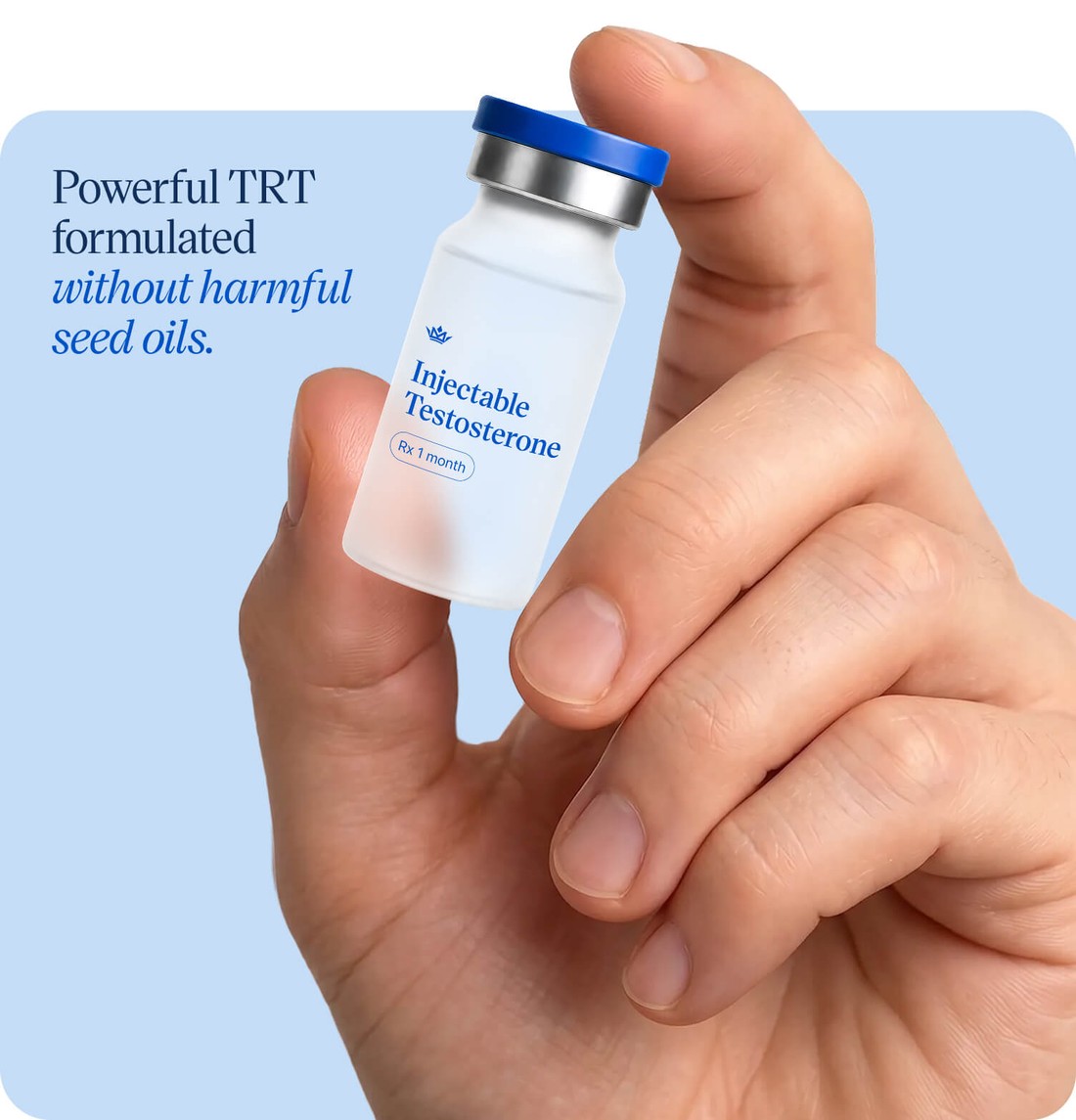
Testosterone Replacement Therapy is designed to treat men who have low testosterone levels, a condition known as hypogonadism. By restoring testosterone to average levels, TRT aims to alleviate symptoms such as fatigue, depression, decreased libido, and muscle loss. It can be administered in several forms, including:
- Injections
- Patches
- Gels
- Pellets inserted under the skin
While TRT focuses on achieving a physiological level of testosterone, it is essential to differentiate it from anabolic steroids—substances often misused for muscle enhancement.
The Purpose of Anabolic Steroids
Anabolic steroids, on the other hand, are synthetic derivatives of testosterone designed primarily for promoting muscle growth and enhancing athletic performance. While they can provide rapid gains in muscle mass and strength, their use is often associated with significant health risks, including:
- Cardiovascular problems
- Liver damage
- Hormonal imbalances
- Psychiatric effects such as aggression
Given these risks, the question arises: how does TRT compare to anabolic steroids? The answer is multifaceted.
Health Risks and Benefits
The health contexts for both TRT and anabolic steroids are markedly different. Let’s delve deeper into each.
Health Benefits of TRT
When administered correctly under medical supervision, TRT offers various health benefits, including:
- Improved mood and mental clarity
- Increased muscle mass and strength
- Fat loss
- Improved sexual function
Additionally, TRT aims to restore testosterone levels to a range that is considered healthy, which can generally be safely managed with regular blood tests and health check-ups.
Health Risks Associated with TRT
Despite its benefits, TRT carries potential risks, such as:
- Elevated red blood cell count
- Sleep apnea
- Prostate problems
- Cardiovascular risks
Close monitoring by healthcare providers is essential to mitigate these risks.
Health Risks of Anabolic Steroids
Contrarily, anabolic steroids often present much higher risks due to their misuse and the dosages involved, leading to:
- Serious cardiovascular issues
- Negative effects on cholesterol levels
- Potential liver damage
- Psychological effects, including aggression and depression
Legality and Ethical Considerations
The legality of TRT and anabolic steroids also varies significantly. TRT, prescribed by a qualified healthcare professional, is legal and regulated. Conversely, anabolic steroids are categorized as a controlled substance in many regions due to their potential for abuse and harmful effects.
Using TRT involves a legitimate medical diagnosis and ongoing evaluation to ensure safety and efficacy. In contrast, anabolic steroids are commonly sought for performance enhancement without oversight, which often leads to misuse.
Social Stigma and Perception
In society, TRT is generally perceived as a medically necessary treatment, while anabolic steroids are associated with cheating in sports and illicit behavior. This distinction impacts not only users’ mental health but also how they navigate public perception and stigma.
Is TRT as Bad as Steroids? A Comparative Analysis
To address the central query of Is TRT as bad as steroids?, it is critical to analyze the context of use, legality, and health implications. TRT, when supervised by a healthcare provider, is tailored to rectify hormonal deficiencies, making it significantly safer than the often unregulated use of anabolic steroids.
In conclusion, while TRT and anabolic steroids are both linked to testosterone, their purposes, uses, and health implications vary dramatically. When overseen by medical professionals, TRT poses fewer risks and can be beneficial, while anabolic steroids carry substantial health risks and often lead to addiction and dependence.
Conclusion
In summary, the distinction between TRT and anabolic steroids is clear. TRT is a therapeutic approach that can yield significant health benefits when handled responsibly. In contrast, anabolic steroids present multiple health risks and ethical dilemmas due to their potential for misuse. Understanding these differences helps guide individuals towards informed decisions regarding their health and well-being. Always consult a healthcare professional before embarking on any treatment regarding hormones.
FAQ
1. What are the primary reasons for using TRT?
The primary reasons for using TRT include alleviating symptoms of hypogonadism, such as low energy, mood swings, decreased libido, and muscle loss.
2. Can you use TRT for bodybuilding or athletic performance?
While TRT can enhance energy and muscle mass, it should primarily be used to treat medically diagnosed low testosterone levels, not for performance enhancement.
3. Are there long-term effects of TRT?
Long-term use of TRT can have effects, both positive and negative. Regular monitoring by a healthcare provider can help manage these effects effectively.
4. What are the legal implications of using anabolic steroids?
Anabolic steroids are classified as controlled substances in many regions, making their possession and use without a prescription illegal.
5. How do the side effects of TRT compare to those of anabolic steroids?
TRT, under medical supervision, generally has manageable side effects. In contrast, anabolic steroids can lead to severe and harmful health issues, especially when misused.
6. Where can I find more information on TRT and its uses?
For more detailed information, you can refer to Mayo Clinic and National Institutes of Health.