

What Are Triceps Dumbbell Extensions and How Can They Benefit Your Workouts?
Triceps Dumbbell Extension FAQ
What is a Triceps Dumbbell Extension?
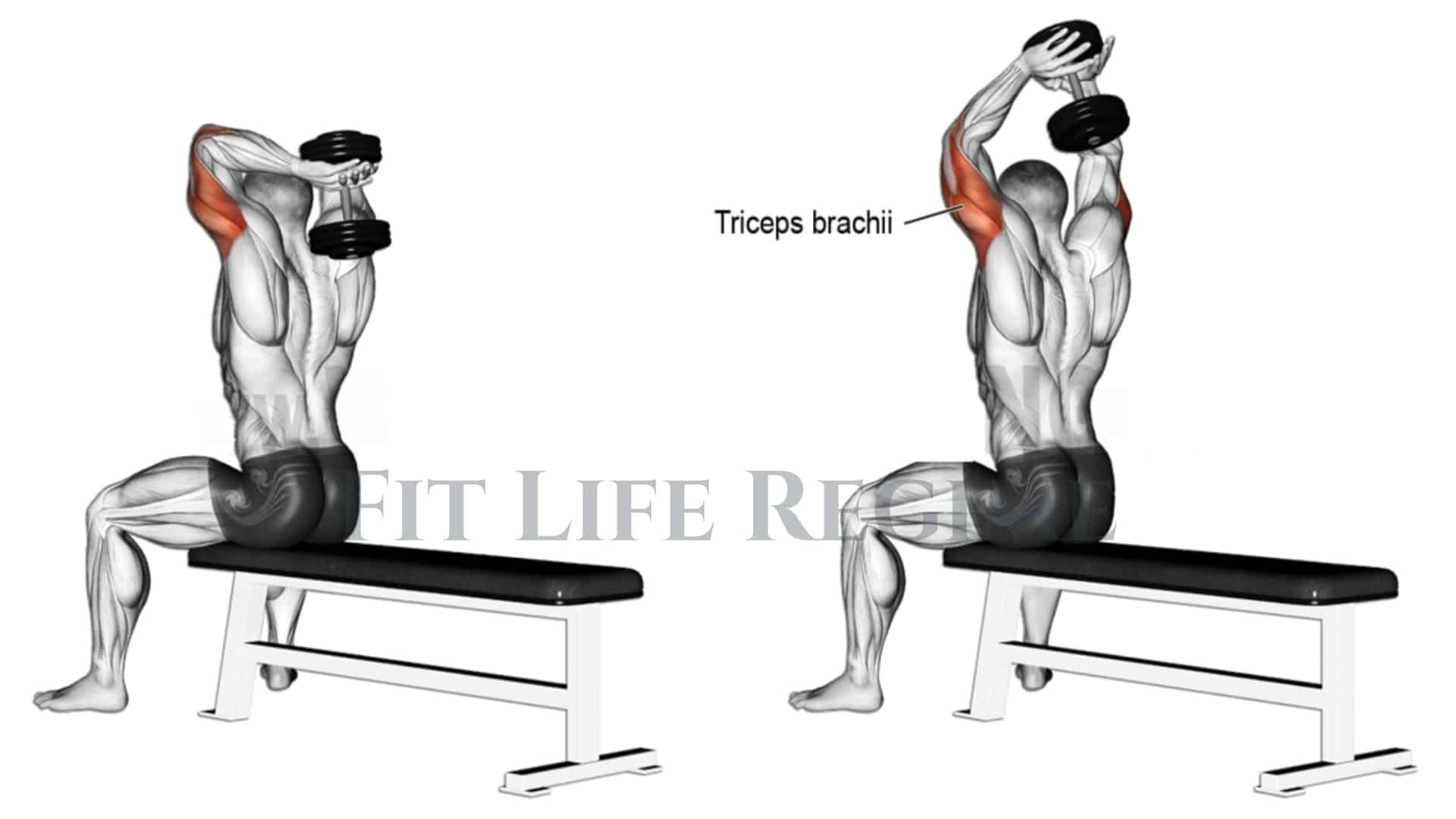
A triceps dumbbell extension is a strength training exercise that targets the triceps muscles located in the back of the upper arm. It is a great exercise for individuals looking to build and tone their upper arm muscles. By performing this exercise, you can enhance arm strength and improve overall upper body stability and performance.
How Do I Perform Triceps Dumbbell Extensions Correctly?
To perform triceps dumbbell extensions, start by either standing or sitting. Hold a dumbbell with both hands, ensuring your palms face upwards, and extend your arms above your head. Keeping your elbows close to your ears, lower the dumbbell behind your head by bending your elbows. Then, return to the starting position by extending your arms once more. Ensure your movement is controlled to maximize the exercise’s effectiveness and to prevent injury.
What are the Benefits of Triceps Dumbbell Extensions?
Triceps dumbbell extensions are effective for isolating and working on the triceps muscles. They help increase muscle strength and definition, improve arm stability, and enhance overall upper body endurance. This exercise is also beneficial for those aiming to improve performance in sports or activities that require tricep involvement, such as pushing movements in gymnastics or swimming.
Are Triceps Dumbbell Extensions Suitable for Beginners?
Yes, triceps dumbbell extensions can be performed by beginners, but it is crucial to start with a lighter weight to learn proper form and technique. Beginners should focus on controlling the movement and avoiding any unnecessary swinging or jerking. As strength and confidence increase, you can gradually increase the weight to continue challenging the muscles.
How Often Should I Include Triceps Dumbbell Extensions in My Routine?
Incorporating triceps dumbbell extensions into your workout routine 1-2 times per week can be sufficient for maintaining strength and muscle tone. Ensure to allow at least 48 hours of recovery for those specific muscles if you’re engaging in intense strength training. Balance this with other upper body exercises to ensure a well-rounded workout plan.
Can I Perform Different Variations of Triceps Dumbbell Extensions?
Yes, there are several variations to this exercise. You can perform single-arm extensions to focus on one arm at a time or try lying triceps extensions for a different range of motion and muscle activation. These variations can help target different parts of the triceps and keep your workouts diverse.
What Are Common Mistakes to Avoid?
Some common mistakes include flaring out the elbows, which can place undue stress on the joints, and choosing a dumbbell that is too heavy, leading to poor form. It’s essential to keep the movement slow and controlled and ensure that the elbows remain stationary throughout the exercise to engage the triceps effectively.
How Can I Prevent Injuries While Doing Triceps Dumbbell Extensions?
To minimize injury risk, focus on maintaining good posture, keeping your core engaged, and using a weight that allows you to complete the exercise with proper form. If unsure, consult a fitness professional to ensure you’re performing the exercise correctly. Stretching the arms and shoulders before and after the workout can also help prevent muscle strain.








Why Should I Consider Adding Triceps Dumbbell Extensions to My Workout?
Including triceps dumbbell extensions in your routine can enhance your arm strength significantly and contribute to a balanced upper body workout. It’s an essential exercise for those interested in bodybuilding, toning, or simply improving their fitness level. The triceps are key muscles needed for many daily and athletic activities; therefore, strengthening them can be quite beneficial.
[ratemypost]
Remember, before starting any new workout regimen, it’s best to consult with a fitness professional to ensure these exercises align best with your personal fitness goals and capabilities.





