What is Test E 300? An Overview of Testosterone Enanthate
FAQ About Test E 300
1. What is Test E 300?
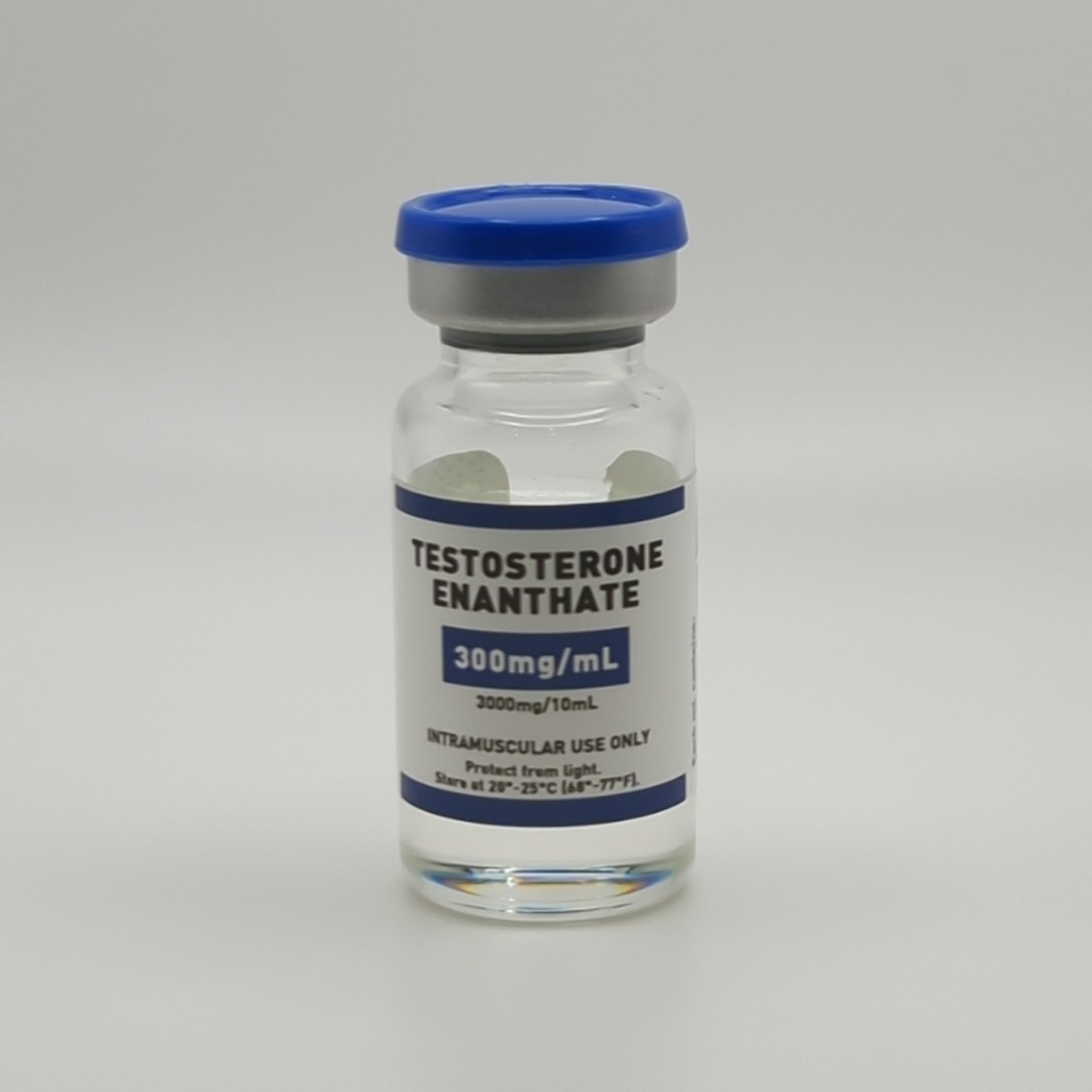
Test E 300 refers to Testosterone Enanthate at a concentration of 300 mg/ml. It’s an injectable form of testosterone used primarily by bodybuilders and athletes to increase muscle mass and strength.
2. How does Test E 300 work?
Testosterone Enanthate is a slow-release form of testosterone, which helps increase nitrogen retention in muscles and enhances protein synthesis. This leads to enhanced muscle growth and strength over time.
3. What are the common dosages for using Test E 300?
For those involved in bodybuilding, dosages can vary. Typically, users may start with 300-500 mg per week. However, it’s crucial to consult with a healthcare professional to establish an appropriate dosage for your individual needs.
4. How should Test E 300 be administered?
Test E 300 is typically administered via intramuscular injection. It’s important to rotate injection sites to prevent tissue damage.
5. What are the potential side effects of Test E 300?
Users may experience side effects such as acne, hair loss, or increased aggression. Other potential effects include water retention, increased risk of cardiovascular disease, and changes in cholesterol levels. Monitoring and consulting with a healthcare provider can help manage these effects.
6. How long does it take to see results with Test E 300?
Some users report noticeable changes within a few weeks, but significant muscle gains usually become evident after a few months. Individual response will vary based on dosage, diet, and training regimen.
7. Is post-cycle therapy necessary after using Test E 300?
Yes, post-cycle therapy (PCT) is recommended to help restore the body’s natural testosterone production, mitigate side effects, and maintain muscle gains.
In conclusion, Test E 300 can be a powerful tool for athletes and bodybuilders looking to enhance their physique and performance. However, it’s vital to use it responsibly and under professional guidance to ensure safety and effectiveness.