What is the Biceps Groove and Where is it Located?
Frequently Asked Questions About Biceps Groove
What is the Biceps Groove?
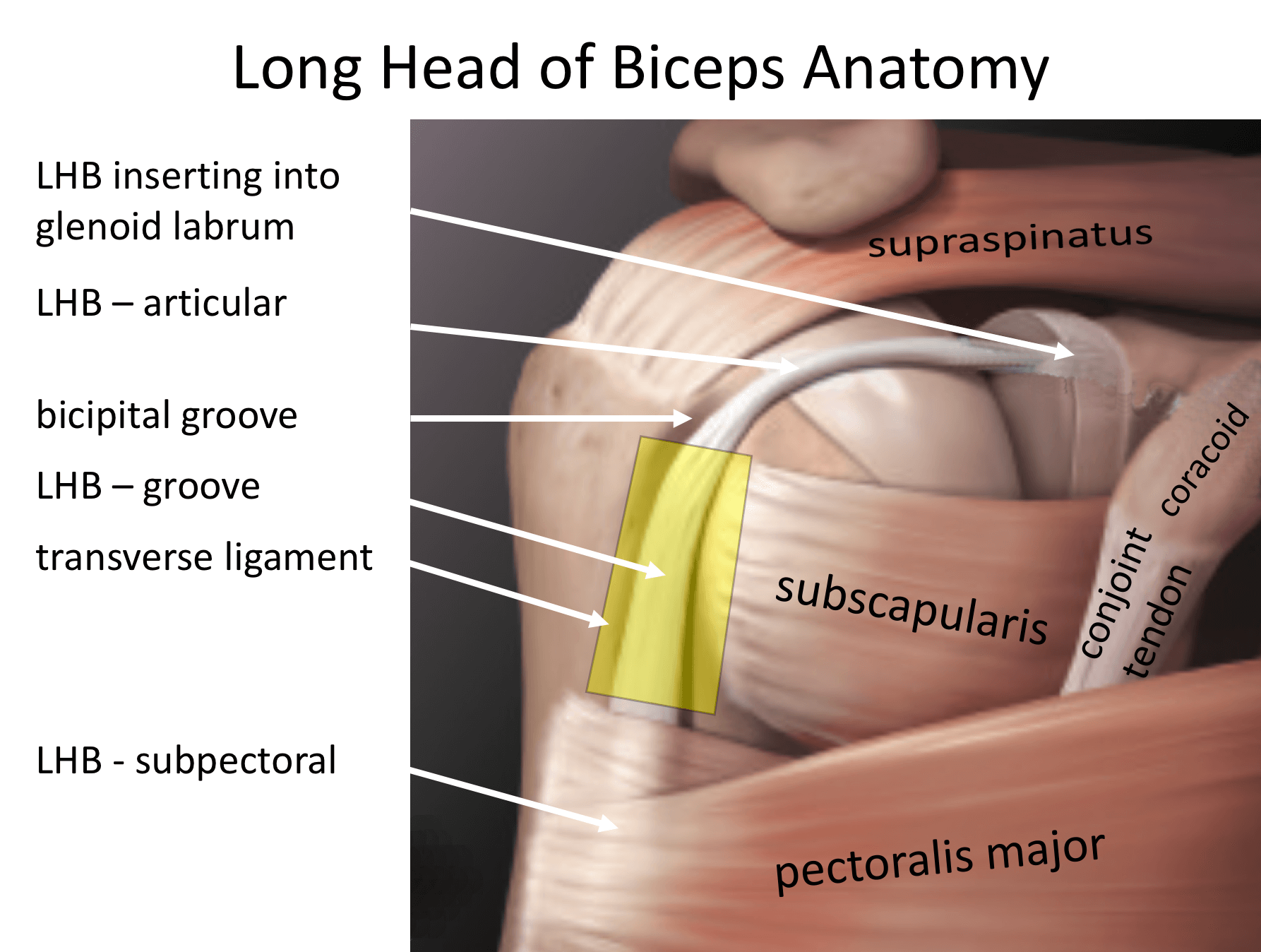
The biceps groove, also known as the bicipital groove or intertubercular sulcus, is a feature of the humerus bone, located in the upper arm. It is a groove or depression on the anterior surface of the humerus that serves as a passageway for the tendon of the long head of the biceps brachii muscle. This structure is crucial for the proper movement and attachment of the biceps muscle.
Why is the Biceps Groove Important?
The biceps groove provides stability and guidance for the biceps tendon, facilitating smooth arm movements. It helps prevent dislocation or friction that could lead to inflammation or injury. Any abnormalities or injuries in this area can significantly affect arm mobility and strength, highlighting its importance in maintaining overall arm function and health.
What Common Issues Affect the Biceps Groove?
Common issues associated with the biceps groove include tendinitis, tendon impingement, and tendon dislocation. Tendinitis is the inflammation of the tendon, often resulting from overuse or trauma. Impingement occurs when the tendon becomes compressed, while dislocation involves the tendon slipping out of place. These issues can cause pain, restricted movement, and, in some cases, long-term damage if not addressed appropriately.
How can Biceps Groove Injuries be Prevented?
Preventing injuries to the biceps groove involves maintaining good posture, proper exercise techniques, and avoiding excessive strain. Strengthening exercises for the shoulder and arm muscles can provide additional support and stability. It’s also essential to perform a proper warm-up before engaging in strenuous activities and to use ergonomically designed equipment when lifting or performing repetitive tasks.
How are Biceps Groove Issues Diagnosed?
Diagnosis typically involves a physical examination by a healthcare professional, who may assess movement, check for pain points, and evaluate muscle strength. Imaging techniques such as MRI, ultrasound, or X-rays can be employed to visualize the biceps groove and surrounding structures, confirming if there is inflammation, dislocation, or other abnormalities.
What Treatment Options are Available for Biceps Groove Problems?
Treatment varies depending on the severity and type of issue. Conservative approaches include rest, ice application, anti-inflammatory medications, and physical therapy to strengthen the surrounding muscles. In more severe cases, particularly with tendon dislocation or significant damage, surgical intervention might be necessary to repair or reposition the tendon.
Can Exercises Improve Biceps Groove Health?
Yes, certain exercises can enhance the health and functionality of the biceps groove. Focus on exercises that improve shoulder stability and biceps strength, such as rows, planks, and controlled bicep curls. It’s crucial to follow proper form and start with lighter weights to avoid unnecessary strain or injury.
Is Surgery Always Required for Biceps Groove Injuries?
Not all biceps groove injuries require surgery. Many can be effectively managed with conservative treatment like rest and physical therapy. However, persistent issues or severe tendon dislocation might necessitate surgical intervention to restore normal function and relieve pain.
Are There Any Long-term Complications from Biceps Groove Issues?
If left untreated, biceps groove problems can lead to chronic pain, decreased range of motion, and muscle weakness. Early diagnosis and treatment are critical to preventing these long-term issues, allowing for a full return to normal activities.
[ratemypost]
By being informed about the biceps groove’s function and potential issues, individuals can take proactive steps to maintain their arm health and functionality. Remember, when in doubt, consult with a healthcare professional for an accurate diagnosis and appropriate treatment plan.