Stretching lower back and hips

Stretching Lower Back and Hips: A Guide to Flexibility and Comfort
Maintaining flexibility in the lower back and hips is crucial for overall mobility and reducing the risk of injury. Stretching lower back and hips can alleviate pain, improve posture, and enhance performance in physical activities. Whether you are an athlete or someone looking to increase your daily comfort, these stretches can be beneficial.
Why Focus on the Lower Back and Hips?
The lower back and hips are core areas that support the body’s movements. Tightness in these areas can cause discomfort and limit range of motion. Regularly stretching lower back and hips can prevent tightness that leads to more serious issues like back pain or hip problems.
Effective Stretches for the Lower Back and Hips
- Cat-Cow Stretch: Begin on your hands and knees. Inhale as you arch your back (cow), and exhale as you round it (cat). This movement increases spinal flexibility and stretches the back muscles.
- Cat-Cow Stretch: Begin on your hands and knees. Inhale as you arch your back (cow), and exhale as you round it (cat). This movement increases spinal flexibility and stretches the back muscles.
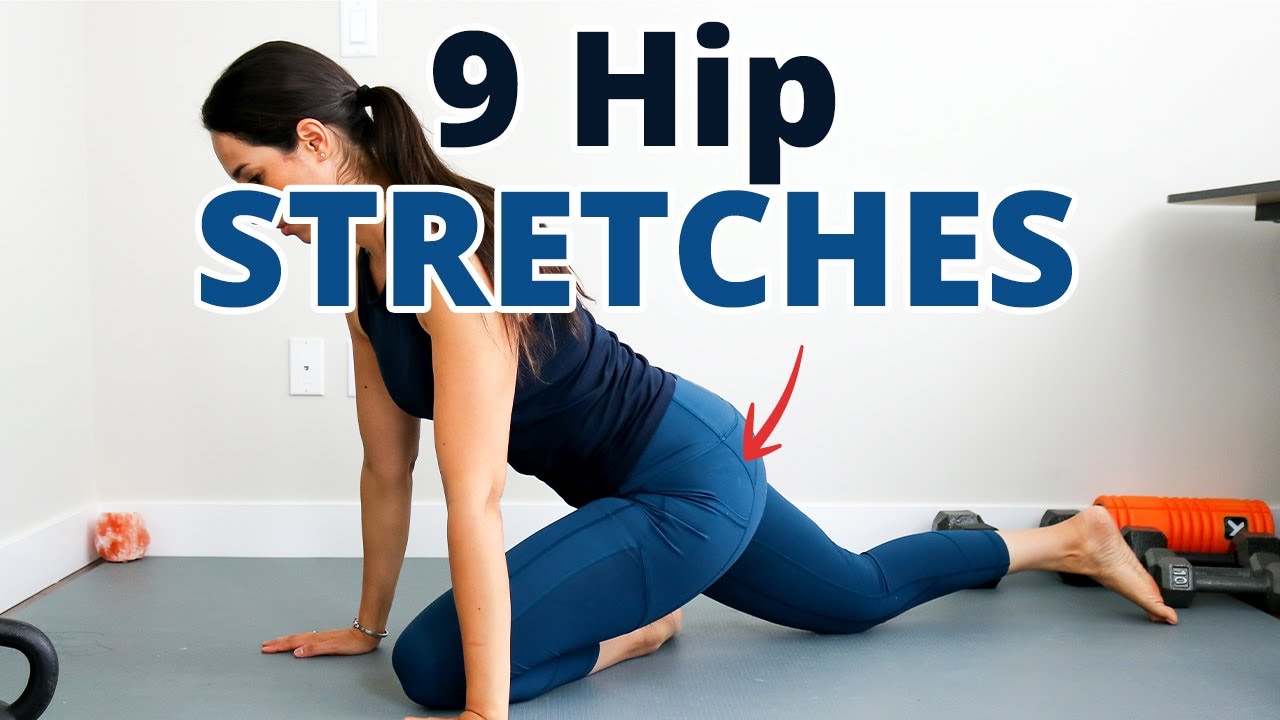
- Hip Flexor Stretch: Kneeling on one knee, push hips forward while keeping your back straight. This stretch targets the hip flexors and improves mobility.
- Hip Flexor Stretch: Kneeling on one knee, push hips forward while keeping your back straight. This stretch targets the hip flexors and improves mobility.
- Child’s Pose: Sit back on your heels with arms extended forward and forehead resting on the ground. This position relieves tension in the lower back and gently stretches the hips.
- Child’s Pose: Sit back on your heels with arms extended forward and forehead resting on the ground. This position relieves tension in the lower back and gently stretches the hips.
- Figure Four Stretch: Lying on your back, cross one ankle over the opposite knee and gently pull the leg towards your chest. This stretch targets the glutes and piriformis muscles, easing hip tension.
- Figure Four Stretch: Lying on your back, cross one ankle over the opposite knee and gently pull the leg towards your chest. This stretch targets the glutes and piriformis muscles, easing hip tension.
FAQs
Q1: How often should I practice stretching lower back and hips?
A1: Ideally, incorporate these stretches into your daily routine. Consistency helps maintain flexibility and prevents stiffness.
Q2: Can stretching lower back and hips help prevent injuries?
A2: Yes, regular stretching can improve flexibility and range of motion, reducing the likelihood of strains and injuries.
Q3: Are there any precautions to take when stretching?
A3: Avoid bouncing during stretches and listen to your body. If you experience pain, ease off the stretch and consult a professional if necessary.
Incorporating these exercises into your routine can significantly enhance your physical wellness. Remember, consistency is key to reaping the benefits of stretching lower back and hips effectively. #faq #stayfit #bodybuilding
FREE SHIPPING
CLICK HERE!
HOT PROMOTIONS!





SUSTANON 350 AUCTUS 350MG 10ML

Original price was: $ 109.00.$ 99.00Current price is: $ 99.00.



Stretching the lower back and hips is an essential component of maintaining overall body flexibility and preventing discomfort or injury. The lower back and hips are central to many movements and play a crucial role in our daily activities, from walking and sitting to more intense physical activities like running or lifting. Tightness or stiffness in these areas can lead to poor posture and increased strain on other parts of the body, such as the upper back and neck. Regularly stretching the lower back helps to alleviate tension, improve posture, and enhance spinal mobility. By incorporating specific stretches like pelvic tilts, cat-cow stretches, and lower back rotations, individuals can promote blood flow, which aids in the delivery of nutrients to the spinal discs and muscles.
Focusing on hip flexibility is equally important, given that tight hips can contribute to lower back pain and restrict overall movement efficiency. Stretching the hip flexors, glutes, and surrounding muscles can alleviate tightness and improve joint health, leading to a greater range of motion and reduced risk of injury. Common stretches that target the hips include the pigeon pose, seated figure-four stretch, and lunges with a twist. These stretches help to open up the hip joints and release tension in the connected muscles. Regularly practicing hip stretches not only supports the lower back but also enhances athletic performance and daily functional movements by ensuring that the body moves in a more aligned and balanced manner. Incorporating these stretches into a daily routine can contribute to long-term physical well-being and comfort.