
Sun Poisoning: The Symptoms and How to Protect Your Skin

When the warm rays of the sun invite us outdoors, it’s important to remember that while the sun provides us with vitamin D, overexposure can lead to serious skin issues. One such severe skin reaction is what is often referred to as sun poisoning. This term sounds alarming, and rightfully so, as it describes a condition far more severe than the typical sunburn.
What is Sun Poisoning?
Sun poisoning isn’t actually an official medical term; rather, it refers to a severe sunburn often accompanied by other symptoms such as nausea, dizziness, or blistering. This condition results from prolonged exposure to ultraviolet (UV) rays, leading to skin inflammation. It’s important to understand the differences between a standard sunburn and severe sun damage to prevent lasting health effects.
Causes of Sun Damage
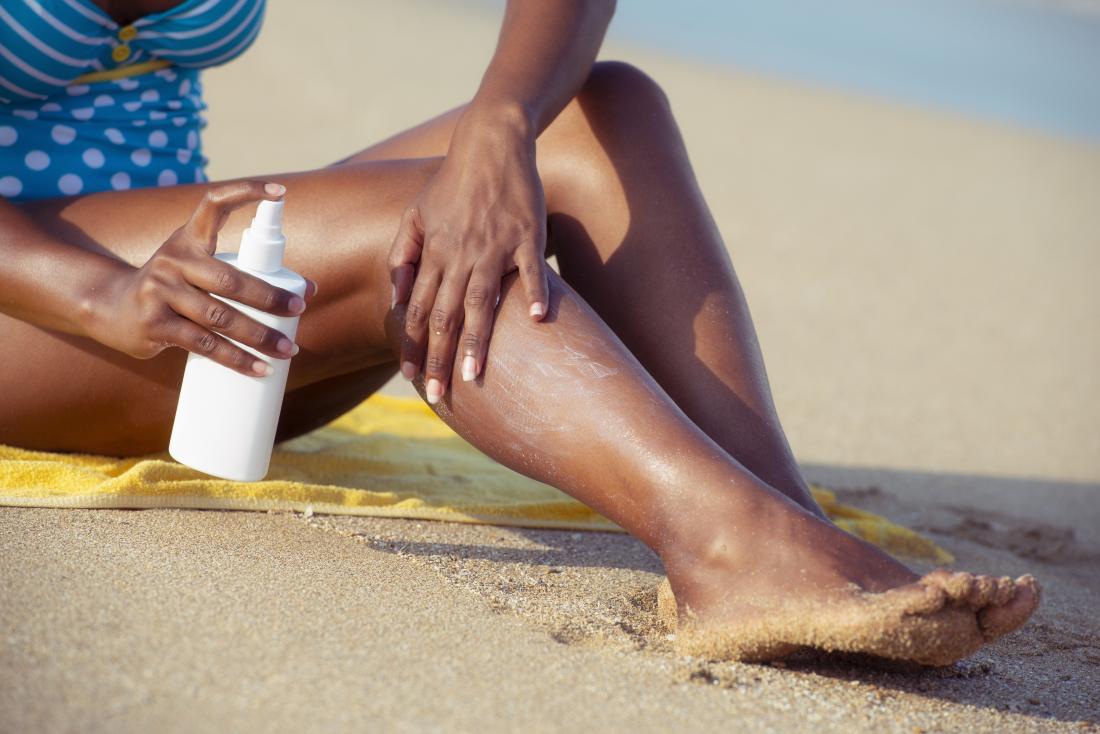
Sun poisoning typically occurs when individuals spend extensive time in direct sunlight without adequate protection. Factors that increase the risk include fair skin, high altitudes, locations closer to the equator, certain medications that increase sensitivity to UV rays, and reflective environments like water or sand. Even when using sunscreen, it is critical to apply it correctly and use a high enough SPF for effective protection.
Recognizing the Symptoms
The symptoms of a severe sun reaction go beyond the classic redness and stinging associated with standard sunburn. These can include:
-
- Severe redness and blistering
-
- Swelling and pain
-
- Dehydration symptoms like headache and dizziness
-
- Fever and chills
-
- Nausea and confusion
Should these symptoms arise, it is crucial to seek medical attention promptly. Failing to address severe sun damage in time can lead to further complications, including skin infections.
Treatment and Prevention
Once affected, treatment focuses on relieving symptoms and healing damaged skin. Immediate actions include moving indoors, applying cold compresses, and using aloe vera or other soothing moisturizers. Drinking plenty of fluids is essential to combat dehydration. In severe cases, medical intervention may be required.
Preventing severe sunburn is preferable to treating it. Key preventative measures include wearing appropriate clothing, using sunscreen with a high SPF, and avoiding peak sunlight hours. Reapplying sunscreen every two hours, even on overcast days, is a good practice.
Conclusion
While sun poisoning is a preventable condition, it serves as a reminder of the powerful effects of the sun’s rays. By taking simple, proactive measures, one can enjoy the outdoors while keeping skin healthy and protected.
FAQs
What is the difference between a sunburn and sun poisoning?
A sunburn is a common reaction to excessive UV exposure, characterized by redness and pain. Severe sun damage is more intense and includes additional symptoms such as blistering, nausea, and dizziness.
How long does it take to recover from severe sun damage?
Mild cases may resolve in a few days, while more severe reactions can take weeks to heal. Severe cases often require medical attention to manage symptoms and prevent complications.
Can severe sun reactions be deadly?
Though rare, extreme cases leading to dehydration or infection can be severe. Prompt treatment and prevention are crucial.
For more information on skin protection and sun-related health, visit Healthline or Mayo Clinic.
BIG SALE | FAST SHIPPING
HOT PROMOTIONS!

ZPHC UltraMix 10ml MultiUse Vial 1ml = 250mg
Original price was: $ 255.00.$ 179.00Current price is: $ 179.00.

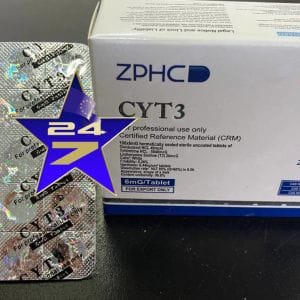
CYT 3 6MG | T3 | Yohimbe | Clen | Weight Loss Blend | 100 Tablets Total Kit 600mg
$ 69.00
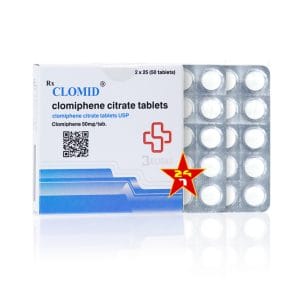
CROWX 👑 CLOMIROW 50 Mg / 50 Tabs ( Clomid )
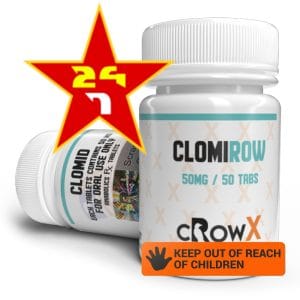
Original price was: $ 79.00.$ 69.00Current price is: $ 69.00.
Sun poisoning, also known as severe sunburn, is an acute skin reaction to excessive exposure to ultraviolet (UV) radiation, typically from the sun. This condition extends beyond a typical sunburn, presenting symptoms that can include intense redness, blistering, peeling, pain, swelling, headache, fever, chills, dizziness, and nausea. The risk of sun poisoning is heightened for individuals with fair skin, those who are at high altitudes or near reflective surfaces such as water and snow, and during periods when the sun’s rays are strongest. It can lead to more serious complications if left untreated, including dehydration, skin infections, and an increased risk of skin cancer over time. Managing sun poisoning requires immediate care, which includes moving out of the sun, cooling the skin with cold baths or compresses, moisturizing the affected areas, and staying hydrated by drinking plenty of fluids. Prevention is key and entails wearing protective clothing, using broad-spectrum sunscreen with a high SPF, seeking shade during peak UV times, and wearing sunglasses to protect the eyes.