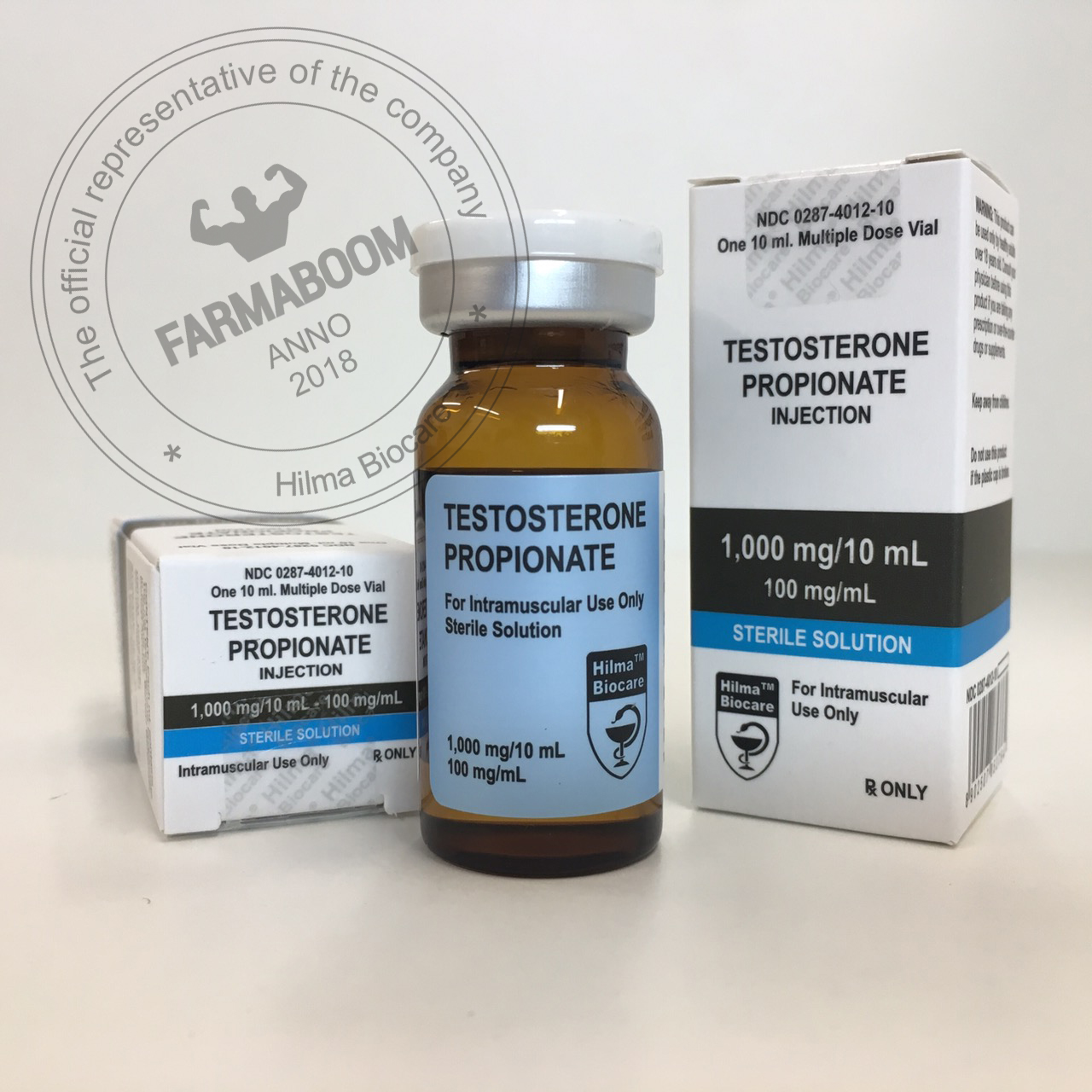
Testosterone Propionate
TABLE OF CONTENTS

Testosterone, a steroid hormone renowned for its influence on male physical development, plays an integral role in overall health for both genders. Often associated with masculinity, this hormone is essential not only for physical attributes and sexual health but also for varied psychological and physiological processes in the human body.
What is Testosterone?
Testosterone is predominantly produced in the testes in men and the ovaries in women, though small amounts are also produced by the adrenal glands in both sexes. It’s vital for developing male reproductive tissues such as the testes and prostate and for promoting secondary sexual characteristics like increased muscle and bone mass.
The Role of Testosterone in the Body
Beyond its contributions to muscle and bone strength, testosterone significantly affects metabolism, ensuring efficient energy use and fat distribution. It’s also vital in maintaining proper mood levels, as low testosterone can lead to mood swings, depression, and reduced cognitive abilities.
Testosterone and Health
Having optimal levels of testosterone is crucial for health and wellness. Low levels can contribute to conditions such as osteoporosis, suffering libido, and muscle loss. For individuals experiencing these symptoms, healthcare providers might recommend hormone replacement therapy to restore balance and improve quality of life.
Furthermore, there’s increasing interest in how peptides, skincare, and testosterone work together in the fields of bodybuilding and wellness. Many enthusiasts believe that a holistic approach using #peptides and testosterone supplements can be beneficial to physical appearance and performance.
Lifestyle Tips to Maintain Healthy Testosterone Levels
To maintain healthy testosterone levels, incorporating regular physical exercise, especially strength training, and a balanced diet rich in zinc and vitamin D can be beneficial. Besides, ensuring proper sleep and managing stress can help keep testosterone levels within a healthy range.
Conclusion
In conclusion, testosterone plays a pivotal role in various aspects of health and wellness, impacting more than just physical appearance or sexual health. Understanding how to maintain balanced levels is integral to enhancing one’s overall well-being. For those exploring hormone-related therapies or lifestyle changes, it’s essential to consult with healthcare professionals to tailor strategies suitable for individual needs.
FAQs
- What happens if my testosterone levels are too low? Low levels can lead to decreased energy, loss of muscle mass, depression, and other health issues. It is important to consult with a healthcare professional for proper evaluation and treatment.
- Can women have testosterone deficiencies? Yes, women can also experience low testosterone levels, which may affect their mood, energy, and bone health.
- Are there natural ways to boost testosterone? Yes, lifestyle changes such as exercising, eating a nutritious diet, managing stress, and getting enough sleep can help improve your testosterone levels naturally.
FREE SHIPPING
BIG SALE | FAST SHIPPING
HOT PROMOTIONS!



STADA DHB DIHYDROBOLDENONE 100MG 10 ML

Original price was: $ 219.00.$ 109.00Current price is: $ 109.00.


ZPHC Dbol Dianabol Methandienone 10mg x 100 tablets

Original price was: $ 99.00.$ 69.00Current price is: $ 69.00.


#peptides #skincare #antiaging #b #skin #beauty #collagen #wellness #weightloss #sermorelin #ghrp #stayfit #bodybuilding #injections #hcg #skincareroutine #hcgphase #hcgdiet #hcginjections #doral #hcgplus #hcgworks #miami #hcgpellets #hcgdrops #hcgusers #hcgcommunity #hcgresults #miamibeach #hcgprotocol #hcgchica #alastinskincare
Testosterone is a vital hormone predominantly found in males, although it is also present in females in smaller amounts. It plays a crucial role in the development of male reproductive tissues such as the testes and prostate, as well as promoting secondary sexual characteristics like increased muscle and bone mass, and the growth of body hair. Beyond its roles in physical development, testosterone significantly influences mood, energy levels, and sex drive. In the medical realm, testosterone levels are monitored as possible indicators of various health issues; low levels may be associated with conditions such as hypogonadism or andropause, while elevated levels might suggest endocrine disorders. Additionally, testosterone replacement therapy has been utilized to address its deficiency, aiming to improve quality of life and physical well-being. As research progresses, the understanding of testosterone’s impact on health and behavior continues to evolve, highlighting its significance in both medical and psychological contexts.