

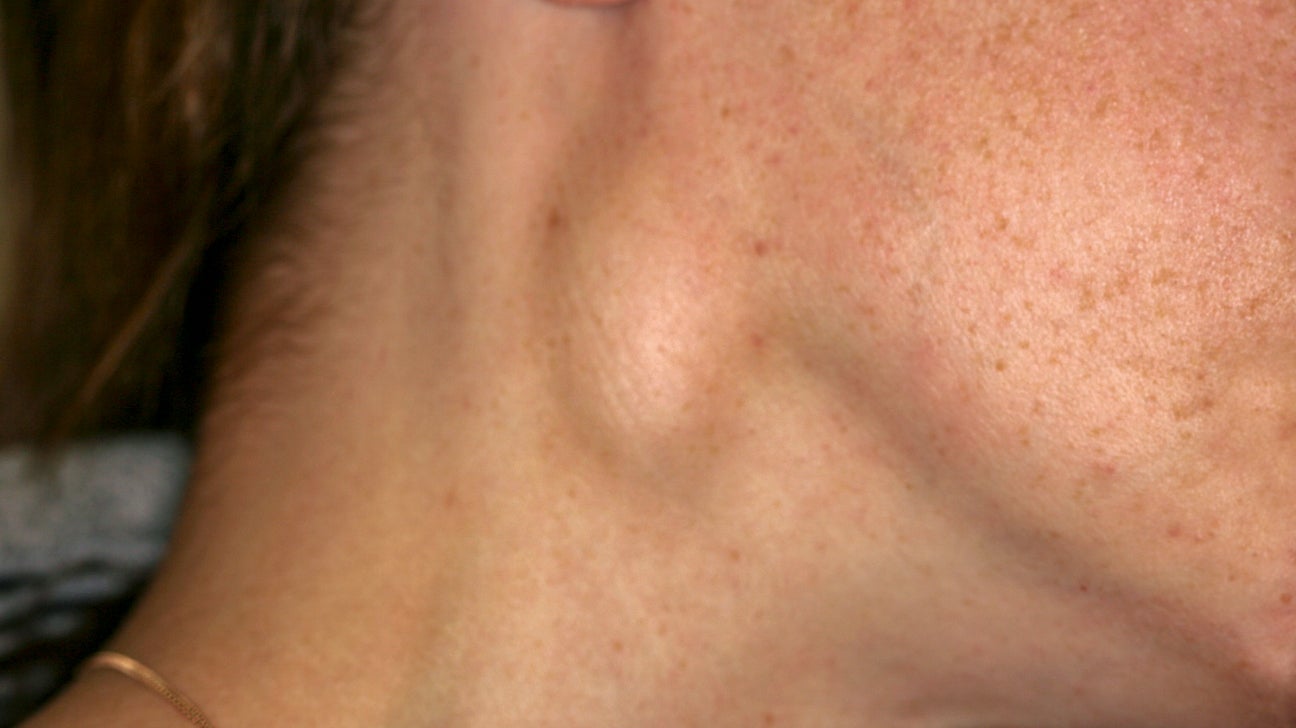
That Lump Behind Your Ear: Causes and When to Seek Help
TABLE OF CONTENTS

Common Causes of a Lump Behind Ear
There are several benign causes for a lump behind ear, including infections, cysts, or lipomas. Infections like mastoiditis can lead to swelling and formation of a lump. This condition arises from an infection in the mastoid bone, often following untreated ear infections. Sebaceous cysts, small lumps filled with a liquid substance, are also common and usually harmless. Lipomas are soft, fatty tissue growths that are generally benign.
Diagnosing a Lump Behind Ear
A healthcare professional can determine the cause of a lump behind ear through a physical examination and, if necessary, diagnostic imaging such as an ultrasound or CT scan. It’s crucial to seek medical advice if you notice changes in size, color, or experience pain, as it could indicate a more serious condition that requires attention.
Treatment Options
Treatment for a lump behind ear will vary based on the underlying cause. In cases of infection, antibiotics might be prescribed. Cysts or lipomas may not require treatment unless they cause discomfort or increase in size. In such cases, surgical removal might be recommended. It’s essential to follow a healthcare provider’s guidance to ensure the best outcome.
Conclusion
While discovering a lump behind ear can be worrisome, understanding its potential causes and seeking appropriate medical advice can ease concerns. Remember, timely attention to any changes in your body is critical to maintaining good health.
FAQs about Lump Behind Ear
- Is a lump behind ear always serious? Not necessarily. Many are benign and can result from minor infections or fatty growths. However, medical evaluation is essential to rule out serious conditions.
- How can I tell if the lump behind ear is due to an infection? Look for symptoms like redness, swelling, pain, or fever. Visit a healthcare provider for an accurate diagnosis.
- When should I seek medical attention for a lump behind ear? If you notice changes in size, pain, or if the lump persists for more than a few weeks, consult a doctor.
You can learn more about ear infections here and about understanding lumps here.
BIG SALE | FAST SHIPPING
HOT PROMOTIONS!


CLOMID 50MG FIERCE 50 TABLETS

Original price was: $ 129.00.$ 119.00Current price is: $ 119.00.






Fierce nandrolone decanoate 300 / ml 10ml

Original price was: $ 131.00.$ 119.00Current price is: $ 119.00.
A lump behind the ear can arise from various causes and is often characterized by a noticeable bump in the area where the ear connects to the skull. Some common causes include benign conditions like sebaceous cysts, which are non-cancerous and filled with a greasy material that can lead to swelling and tenderness. Lymphadenopathy, or swollen lymph nodes, is another frequent cause and typically occurs due to infections or systemic inflammatory conditions. In some cases, the lump may result from more serious issues such as mastoiditis, an infection of the mastoid bone, or even malignancies like lymphoma. It’s crucial to observe accompanying symptoms, such as pain, redness, or fever, which can help in determining the underlying cause. Consulting a healthcare professional for a thorough evaluation is advised to accurately diagnose and treat the condition, ensuring any necessary interventions, whether they be medical or surgical, can be promptly applied.




