
The Rise and Fall of Sibutramine: A Controversial Weight Loss Drug

Understanding Sibutramin: A Controversial Weight Loss Aid
Sibutramin is a pharmaceutical compound that has been used as an appetite suppressant for individuals struggling with obesity. Initially approved for medical use in certain regions, its history is marked by both successes and controversies. In this article, we’ll delve into the mechanism, benefits, risks, and current status of Sibutramin as a weight loss solution.
Mechanism of Action
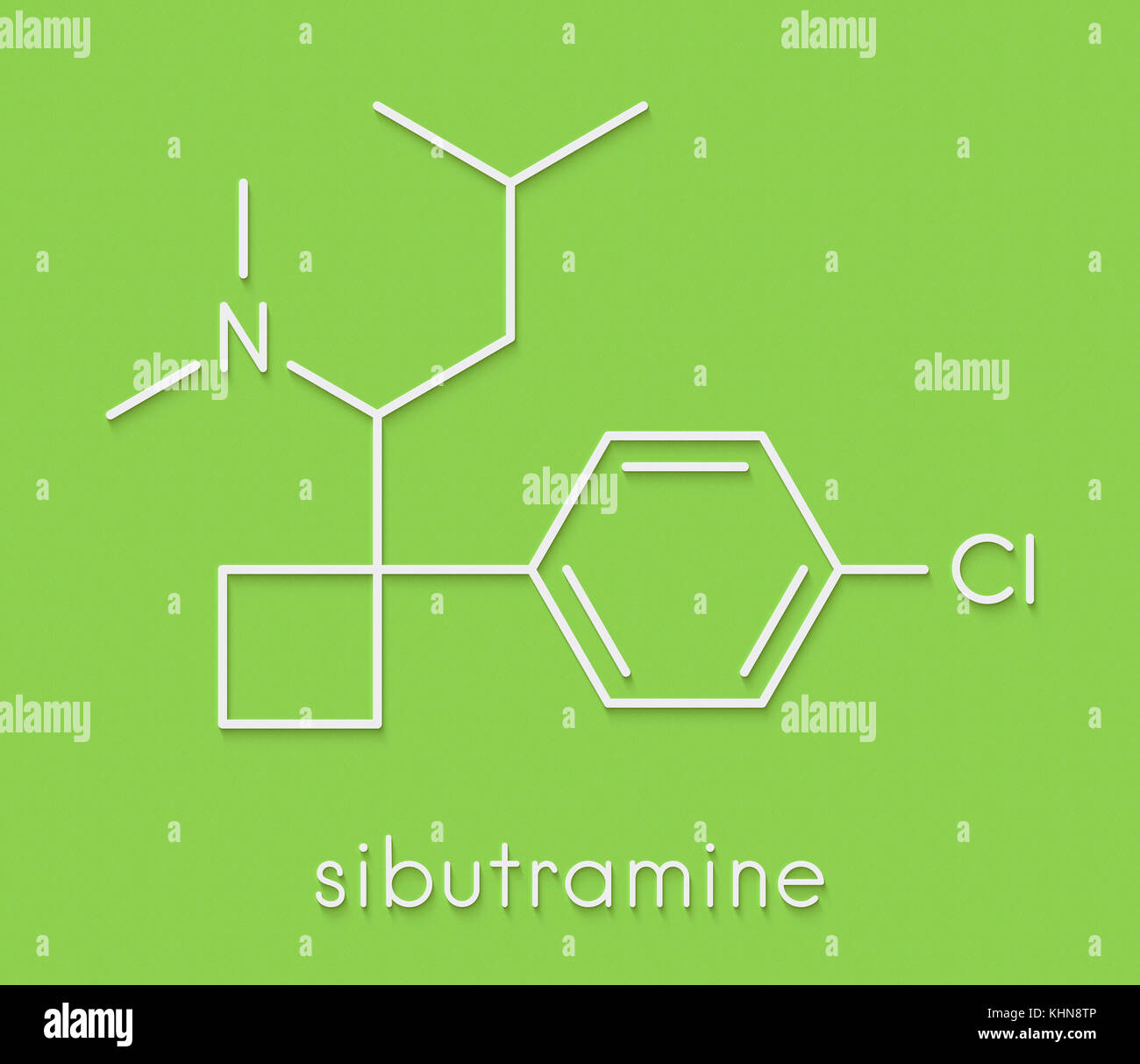
Sibutramin works primarily by altering neurotransmitters within the brain. Specifically, it inhibits the reuptake of serotonin, norepinephrine, and dopamine, which are chemicals that influence mood and appetite. By preventing their reabsorption, Sibutramin allows these neurotransmitters to remain active longer, reducing feelings of hunger and contributing to reduced food intake.
Benefits of Sibutramin
At its peak usage, Sibutramin was recognized for its ability to help obese patients achieve significant weight loss when combined with a healthy diet and exercise. Clinical trials demonstrated that patients using Sibutramin lost more weight compared to those on a placebo.
Moreover, the reduction in appetite helped many individuals adhere to a calorie-controlled diet, which is often the most challenging aspect of weight management for individuals with a high body mass index (BMI).
Risks and Controversies
Despite its benefits, Sibutramin became controversial due to its side effects and associated health risks. Some patients experienced increased blood pressure and heart rate, which are concerning for individuals at risk of cardiovascular disease. Reports and studies linked Sibutramin to an elevated risk of heart attack and stroke, leading to its ban in several countries, including the United States and the European Union.
The decision to pull Sibutramin from the market was largely based on the results of the SCOUT (Sibutramine Cardiovascular Outcomes Trial) study, which provided evidence of its cardiovascular risks.
Current Status and Alternatives
Following its withdrawal, consumers who once relied on Sibutramin have had to look for safer alternatives. Today, several new medications and natural supplements are available that aim to provide similar benefits without the associated risks. However, it’s crucial for individuals considering weight loss aids to consult healthcare professionals to choose the safest and most effective option tailored to their needs.
Conclusion
Sibutramin’s journey reflects the complexities of balancing efficacy with safety in pharmaceutical development. While it offered a means of weight loss for many, its risks ultimately outweighed the benefits, prompting a reevaluation of its place in obesity management. As always, informed decision-making with the guidance of medical professionals remains pivotal for those exploring weight loss aids.
FAQs About Sibutramin
What was Sibutramin used for?
Sibutramin was primarily used as an appetite suppressant to aid in weight loss for obese individuals by altering neurotransmitter activity in the brain.
Why was Sibutramin banned?
Sibutramin was banned due to increased risks of heart attack and stroke observed in clinical studies, particularly the SCOUT study.
Are there any alternatives to Sibutramin?
Yes, there are several alternatives, both pharmaceutical and natural supplements, that offer weight management support. However, it is critical to consult a healthcare provider before starting any weight loss medication. For more in-depth information on alternatives, you can visit this resource and this article.
BIG SALE | FAST SHIPPING
HOT PROMOTIONS!
CLOMID 50MG FIERCE 50 TABLETS
Original price was: $ 129.00.$ 119.00Current price is: $ 119.00.
CLOMIPHENE TABLETS 50mg 50 TABLETS FIERCE
Original price was: $ 99.00.$ 89.00Current price is: $ 89.00.
CROWX 👑 CLOMIROW 50 Mg / 50 Tabs ( Clomid )
Original price was: $ 79.00.$ 69.00Current price is: $ 69.00.


STADA MEGA CUTS BLEND 300 MG 10ML (TRENBOLONE)

Original price was: $ 129.00.$ 119.00Current price is: $ 119.00.
ZPHC UltraMix 10ml MultiUse Vial 1ml = 250mg
Original price was: $ 255.00.$ 179.00Current price is: $ 179.00.
Sibutramine is a prescription medication that was historically used as an appetite suppressant for the management of obesity. It functions by affecting neurotransmitters in the brain, specifically inhibiting the reuptake of serotonin, norepinephrine, and dopamine, which enhances feelings of satiety and decreases appetite. Although it showed efficacy in promoting weight loss when combined with a low-calorie diet and exercise, sibutramine was associated with significant cardiovascular risks. Concerns about increased blood pressure, heart rate, and events such as heart attacks and strokes led to its withdrawal from markets around the world, including the United States and European Union, in 2010. Since its withdrawal, its use has been limited, but it still occasionally appears in some non-prescription weight loss supplements illegally, raising concerns about safety and regulatory compliance.