The Science Behind Hickeys: What Happens Under Your Skin?
TABLE OF CONTENTS

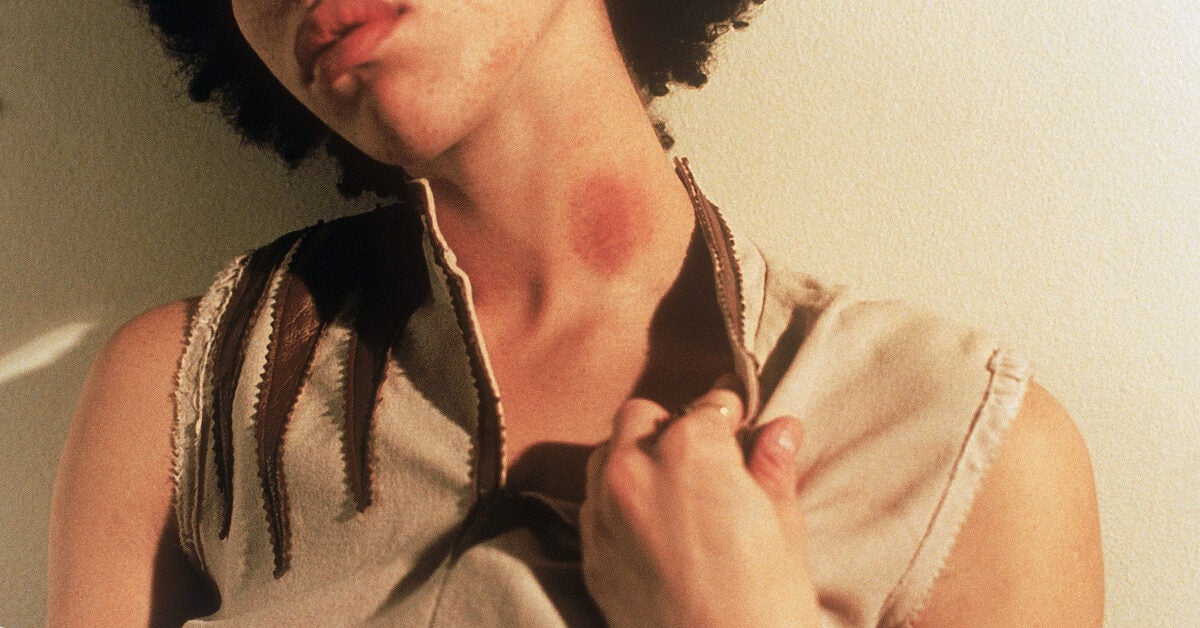
Hickeys, often referred to as love bites, are an interesting yet contentious form of physical affection. These small bruise-like marks are inflicted on the skin when excessive suction breaks blood vessels underneath, causing blood to pool and create a temporary mark. While some view hickeys as a badge of romantic engagement, others find them embarrassing or unprofessional. In this article, we delve into everything you need to know about hickeys, their implications, and common questions surrounding them.
The Science Behind a Hickey
A hickey occurs when intense suction or biting creates superficial damage to the small blood vessels or capillaries just beneath the skin’s surface. The result is a visible mark that ranges in color from red to purple to brown as it heals over several days. Many people notice that a hickey changes color, similar to a bruise, due to the breakdown of hemoglobin in the blood.
The degree to which a hickey appears depends on various factors such as skin sensitivity, the force applied, and individual healing times. Some may find their hickeys last a week, while others may see them fade within a few days.
Emotional and Social Implications of Hickeys
While hickeys may be considered a sign of love or passion, they can lead to social discomfort. Depending on cultural and personal beliefs, hickeys can be seen as a form of ownership or disrespect when flaunted in public. Additionally, they may cause embarrassment in professional situations, prompting individuals to seek methods to cover them up or accelerate the healing process.
Strategies to reduce the visibility of a hickey include applying cold compresses immediately afterward to minimize swelling and broken blood vessels. Conversely, after the initial occurrence, gentle massaging or applying a warm compress can promote circulation and healing.
Hickey Hygiene: Avoid Reusing
Understanding the care required for a hickey is essential for those frequently engaged in this form of intimacy. It’s important to note that one should never use the same hickey twice. Applying additional pressure to an existing hickey can exacerbate the damage and extend the healing process, potentially resulting in more significant skin damage or scarring.
Conclusion
Although hickeys carry an intimate connotation, awareness surrounding their physical and social implications is crucial. By understanding the science behind these marks, one can make informed decisions about engaging in or accepting hickies. Furthermore, practicing proper care and avoiding reusing a hickey can prevent prolonged visibility or discomfort.
Frequently Asked Questions
What is a hickey, and how does it form?
A hickey is a superficial bruise formed by exerting strong suction or biting on the skin. This action breaks small blood vessels, causing blood to pool and create a temporary mark.
How long does it take for a hickey to heal?
The healing time of a hickey can vary, ranging from a few days to over a week, depending on individual factors like skin sensitivity and how well one cares for the area.
Can hickeys be prevented?
Yes, hickeys can be prevented by being mindful of the pressure and location when engaging in suckling or biting. Additionally, communication with your partner about comfort levels can help avoid unwanted marks.
How can I make my hickey heal faster?
To expedite healing, apply a cold compress initially, then switch to warm compresses after 48 hours to enhance blood circulation. Gentle massaging can also promote healing.
For further reading on different forms of affection, check out this interesting article on physical intimacy or explore this comprehensive guide to love languages.
BIG SALE | FAST SHIPPING
HOT PROMOTIONS!


CROWX 👑 CLOMIROW 50 Mg / 50 Tabs ( Clomid )
Original price was: $ 79.00.$ 69.00Current price is: $ 69.00.

ZPHC Clomid Clomiphene 25mg/tablet | 100 Tablets Total: 2500mg
Original price was: $ 159.00.$ 65.00Current price is: $ 65.00.

STADA MEGA CUTS BLEND 300 MG 10ML (TRENBOLONE)
Original price was: $ 129.00.$ 119.00Current price is: $ 119.00.
A hickey, often colloquially referred to as a love bite or kiss mark, is a discoloration of the skin resulting from suction or biting that causes small blood vessels called capillaries to burst just beneath the surface. Frequently found on the neck, shoulder, or arm, hickeys start as red marks that can turn shades of purple, blue, or even greenish-yellow as they heal, much like a bruise. While generally harmless and painless, they serve as visible evidence of affection, passion, or intimacy, often sparking curiosity or conversation. Hickeys can take several days to weeks to fade, and individuals sometimes use home remedies—like applying cold compresses or massaging the area—to expedite healing. The perception and acceptance of hickeys vary widely, being embraced, humorously regarded, or discreetly concealed depending on cultural or social contexts.