Sildenafil Side Effects: What You Need to Know Before Taking It
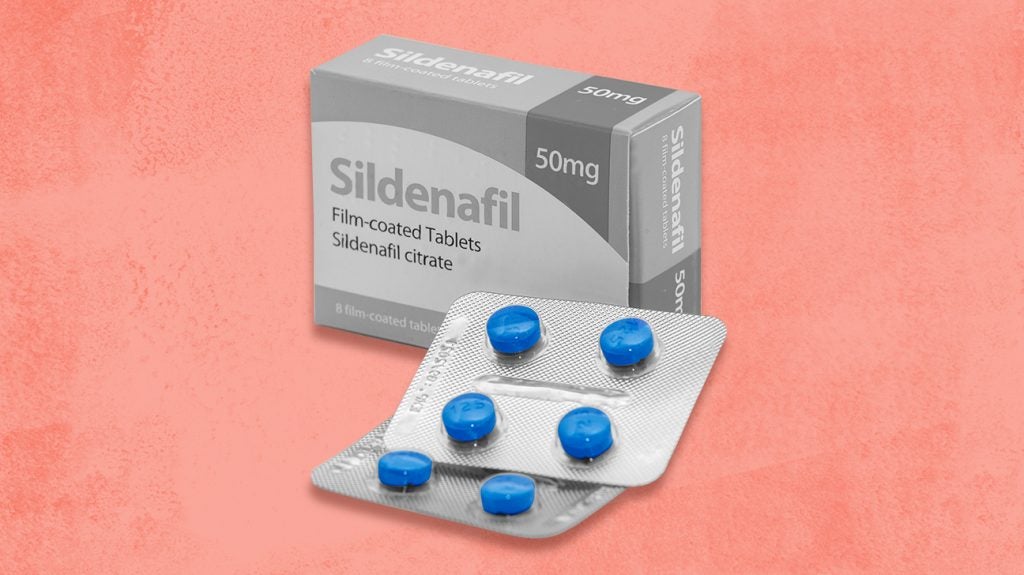
Sildenafil is a well-known pharmaceutical compound originally developed to treat erectile dysfunction (ED) but has since found utility in various areas, including athletics. This medication operates by enhancing blood flow to specific body areas, thereby having potential applications beyond its initial purpose. The active compound in sildenafil interacts with enzymes in the body, particularly targeting phosphodiesterase type 5 (PDE5), which impacts muscle relaxation and blood vessel dilation. 💪
Expanding Beyond ED
While sildenafil is most commonly associated with its application in treating erectile dysfunction, research has explored its potential benefits in other realms such as bodybuilding and athletic performance. Athletes may utilize sildenafil for its potential to increase endurance and enhance cardiovascular performance. The hypothesis is that sildenafil could help in optimizing oxygen delivery during physical exertion, possibly reducing exhaustion and enhancing workout capabilities.
Bodybuilding and Sildenafil
The bodybuilding community, often keen on finding novel ways to enhance performance and muscle gain, has shown interest in sildenafil. Some bodybuilders believe that by improving blood flow, sildenafil may aid in achieving more intense muscle pumps during workouts, which can contribute to muscle growth over time. The increased blood circulation can also improve nutrient and oxygen delivery to muscles, which is crucial during high-intensity training. 🏋️♂️
Considerations in Use
It is crucial to approach the use of sildenafil with caution, particularly outside its approved medical use. Athletes and bodybuilders considering sildenafil should be aware of the potential side effects such as headaches, dizziness, and visual disturbances. Consulting with a healthcare professional is advisable to determine safe usage within the context of individual health needs, especially when combining with other supplements like steroids.
Conclusion
Sildenafil has transcended its original application and found a niche within athletic contexts due to its blood flow enhancement properties. While there may be potential benefits for athletes and bodybuilders, it is essential to weigh these against the possible health risks and legal implications. With proper guidance and responsible use, sildenafil might offer an edge in physical performance. However, professional advice is key to mitigating any potential risks involved in its use.
FAQs
Q: Is sildenafil legal for athletic use?
A: While sildenafil is a legal prescription medication, its use in sports for performance enhancement may be subject to organizational rules and regulations. It’s important to check with relevant athletic governing bodies.
Q: Can sildenafil be used with anabolic steroids?
A: Combining sildenafil with anabolic steroids should be approached with caution and under medical supervision due to potential interactions and compounded side effects.
Q: What are the common side effects of sildenafil?
A: Common side effects include headaches, nasal congestion, and dizziness. Serious effects require immediate medical attention. 🤔
Q: Does sildenafil enhance physical performance?
A: Some athletes believe it might help with endurance and muscle pumps, but evidence is not conclusive, and effects can vary between individuals.
FREE SHIPPING
HOT PROMOTIONS!
BIG SALE | FAST SHIPPING
AXIOM TESTOSTERONE CYPIONATE 300MG 10ML

Original price was: $ 129.00.$ 109.00Current price is: $ 109.00.
SUSTANON 500 AUCTUS TESTOSTERONE BLEND 10ML

Original price was: $ 149.00.$ 129.00Current price is: $ 129.00.

CYT 3 6MG | T3 | Yohimbe | Clen | Weight Loss Blend | 100 Tablets Total Kit 600mg
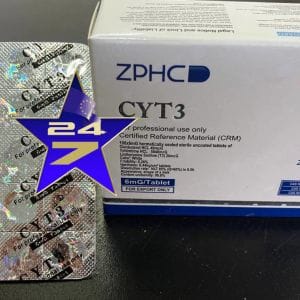
$ 71.00
illustra** White Tops HGH 99.8% Purity 13iu x 1 vial
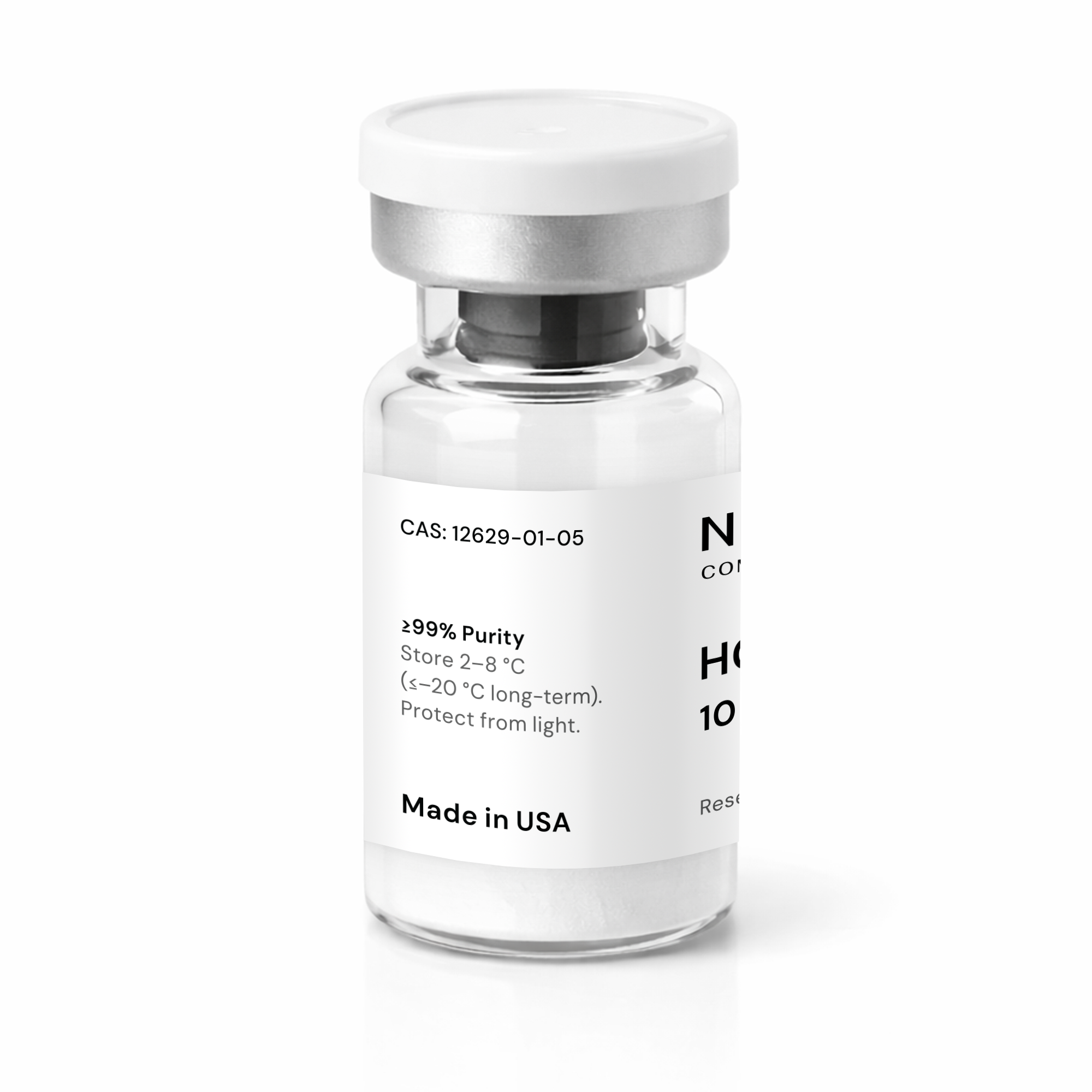
Original price was: $ 99.00.$ 29.00Current price is: $ 29.00.


Beligas 10ml Vial Propha Testosterone Propionate 100mg
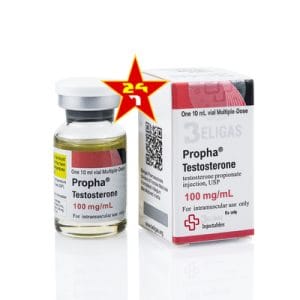
Original price was: $ 169.00.$ 79.00Current price is: $ 79.00.
Sildenafil is a pharmaceutical drug primarily known for its use in treating erectile dysfunction and pulmonary arterial hypertension under the brand name Viagra, among others. Originally developed by the pharmaceutical company Pfizer, it functions as a selective inhibitor of the enzyme phosphodiesterase type 5 (PDE5). This mechanism of action helps to increase blood flow to certain areas of the body by relaxing blood vessels, thus facilitating an erection in response to sexual stimulation. Sildenafil has been a significant advancement in the field of sexual health since its approval by the U.S. Food and Drug Administration (FDA) in 1998. While generally well-tolerated, its use is accompanied by potential side effects such as headaches, flushing, and indigestion, and it should not be taken by individuals who are concurrently using nitrates or certain other medications, given the risk of a potentially dangerous drop in blood pressure. Additionally, ongoing research is exploring its efficacy and applications in various other medical conditions beyond its primary approved uses.