Thymosin Beta 4: Wound Healing and Tissue Repair
TABLE OF CONTENTS

Thymosin Beta 4, a prominent member of the beta-thymosins, has garnered significant attention in recent years due to its multifaceted roles in biological processes. Originally discovered as part of a group of naturally occurring peptides, this protein has been subjected to extensive research, revealing numerous physiological implications. In this article, we explore various aspects of Thymosin Beta 4, from its foundational biological roles to its potential therapeutic applications.
The Biological Significance of Thymosin Beta 4
At its core, Thymosin Beta 4 is pivotal in cellular processes, primarily recognized for its role in cell migration, wound healing, and tissue regeneration. The peptide is abundantly found in various tissues and fluids throughout the body, including blood platelets and other extracellular compartments. Its ability to influence actin polymerization plays a crucial part in enhancing cell motility, thereby supporting efficient wound repair and tissue regeneration.
Therapeutic Applications of Thymosin Beta 4
The therapeutic potential of Thymosin Beta 4 has been a focal point for many researchers, particularly its application in promoting heart repair post-myocardial infarction. Experimental studies have showcased its efficacy in improving cardiac function by promoting angiogenesis and cell differentiation. Moreover, its role in reducing inflammation and fibrosis further accentuates its value as a complementary treatment in regenerative medicine.
Future Prospects of Thymosin Beta 4 Research
As research progresses, Thymosin Beta 4 continues to show promise across various medical fields. Its anti-inflammatory properties suggest a future role in treating chronic inflammatory diseases, while its neuroprotective effects open new avenues in neurology. Continuous clinical trials and experimental investigations remain crucial to unlocking the full therapeutic potential of this peptide, aiming to develop novel and effective treatment strategies.
Conclusion
In summary, Thymosin Beta 4 stands out as a compound of considerable scientific interest due to its diverse biological functions and therapeutic potential. From aiding in wound healing to offering cardiac protection, its applications continue to expand, encouraging further investigation and usage in clinical settings. Nevertheless, comprehensive research and diligent evaluations are essential to ensure its safe and effective use in various medical interventions.
FAQs
What is Thymosin Beta 4 primarily used for?
Thymosin Beta 4 is primarily used for its abilities in wound healing, tissue regeneration, and reducing inflammation.
How is Thymosin Beta 4 administered?
It can be administered through injections, though the exact methodology may vary depending on the treatment protocol.
Are there any side effects?
While generally considered safe, potential side effects can occur, and it is advisable to consult with a healthcare provider before use.
Is Thymosin Beta 4 approved for medical use?
Thymosin Beta 4 is still under investigation, and while promising, it has not yet received widespread approval for medical use.
BIG SALE | FAST SHIPPING
HOT PROMOTIONS!
Fierce nandrolone decanoate 300 / ml 10ml

Original price was: $ 131.00.$ 119.00Current price is: $ 119.00.


CROWX 👑 CLOMIROW 50 Mg / 50 Tabs ( Clomid )
Original price was: $ 79.00.$ 69.00Current price is: $ 69.00.
STADA MEGA CUTS BLEND 300 MG 10ML (TRENBOLONE)

Original price was: $ 129.00.$ 119.00Current price is: $ 119.00.
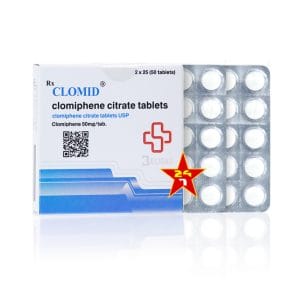
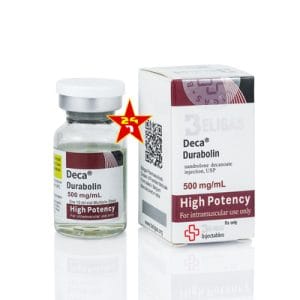
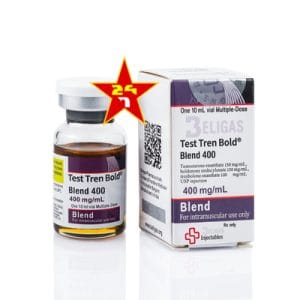
CYT 3 6MG | T3 | Yohimbe | Clen | Weight Loss Blend | 100 Tablets Total Kit 600mg
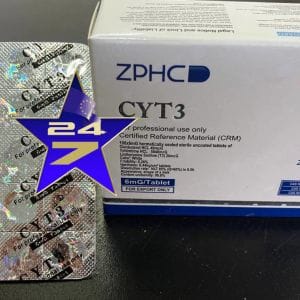
$ 69.00
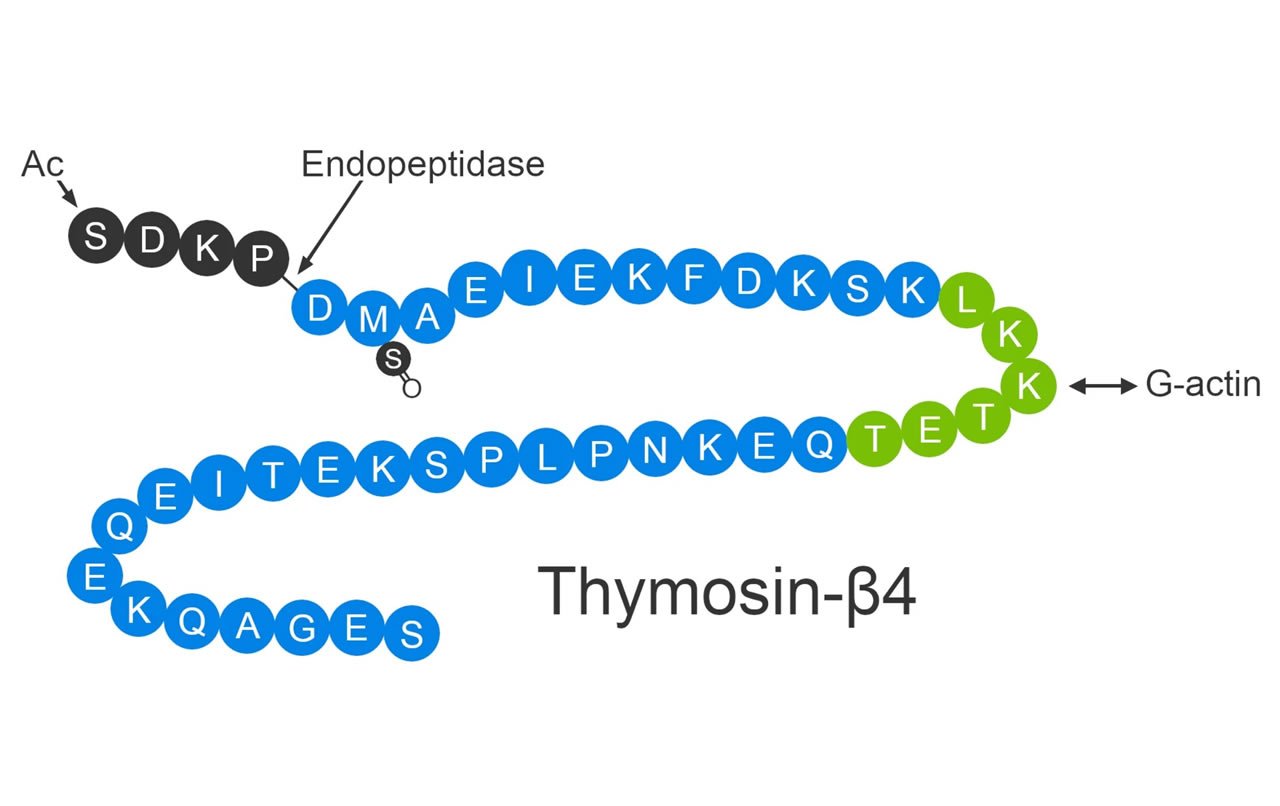
Thymosin beta 4 is a naturally occurring peptide present in various tissues and is known for its significant role in cellular repair and regeneration. Comprising 43 amino acids, it is widely distributed across both human and animal organisms, where it participates in the regulation of actin polymerization, a crucial process for cell movement and structure maintenance. Renowned for its ability to accelerate wound healing, thymosin beta 4 offers anti-inflammatory properties and has been studied for its potential therapeutic applications in various medical fields, including cardiology, neurology, and ophthalmology. Its ability to mobilize progenitor cells and facilitate tissue repair makes it a promising molecule in regenerative medicine, where it has been explored for treating conditions ranging from heart attacks to corneal injuries. Researchers continue to investigate its broad spectrum of biological activities to harness its therapeutic benefits fully.