
Tips for Maintaining Healthy Testosterone Levels in Men

Significance of Healthy Testosterone Levels in Males
Healthy testosterone levels in males can significantly impact physical health, mental clarity, and energy levels. Imbalances may lead to symptoms such as fatigue, depression, decreased libido, and even obesity. It’s therefore essential to understand what constitutes healthy levels and how they can be managed or optimized.
What Are Healthy Testosterone Levels in Males?
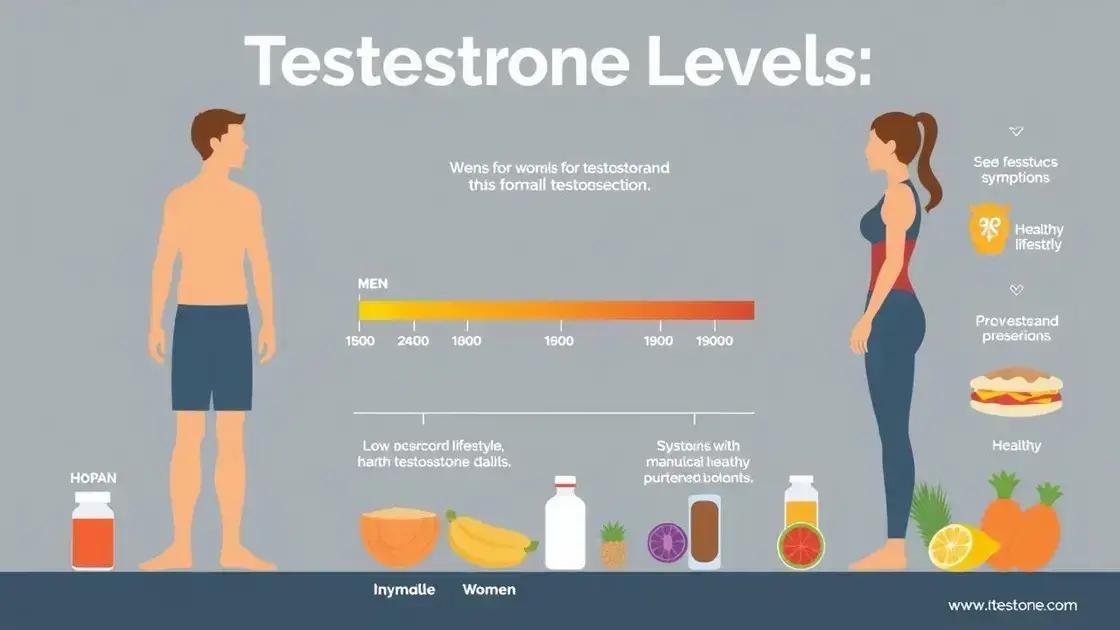
According to health experts, healthy testosterone levels in males typically range from 300 to 1,000 nanograms per deciliter (ng/dL). However, these levels may fluctuate based on age, lifestyle, and individual health conditions. Regular monitoring helps in identifying any deviations from the norm, which can then be addressed through lifestyle adjustments or medical interventions.
For those interested in deeper insights into supplementation and testosterone optimization, resources like Steroid Planner and Steroid.com offer extensive information. Additionally, John Doe Bodybuilding provides practical advice for integrating testosterone-friendly practices into your fitness routine.
FREE SHIPPING
HOT PROMOTIONS!
BIG SALE | FAST SHIPPING


Beligas RETHO Cialis 5mg/100tabs
Original price was: $ 99.00.$ 69.00Current price is: $ 69.00.




STADA TURINABOL TBOL 25MG 50 TABLETS

Original price was: $ 144.00.$ 129.00Current price is: $ 129.00.


Strategies to Maintain Healthy Testosterone Levels in Males
To maintain or boost healthy testosterone levels in males, consider incorporating regular physical activity, especially resistance training, a balanced diet rich in zinc and vitamin D, and adequate sleep. Reducing stress through mindfulness or relaxation techniques also positively impacts hormonal health.
For those exploring the effectiveness of domestic steroids, platforms like Ulaska provide accessible solutions and insights into this realm.
Conclusion
Healthy testosterone levels in males are integral for maintaining physical and mental health. By understanding these levels and taking proactive measures, individuals can ensure longevity, vitality, and enhanced quality of life. If you suspect a hormonal imbalance, consulting a healthcare professional is recommended.
FAQs
What are the symptoms of low testosterone levels?
Symptoms may include fatigue, decreased libido, depression, and increased body fat.
Can lifestyle changes impact testosterone levels?
Yes, regular exercise, proper nutrition, and stress management can positively influence testosterone levels.
Is supplementation always necessary to maintain healthy testosterone levels?
Not necessarily. Many individuals can maintain healthy levels through lifestyle modifications. However, supplements or medical treatment may be recommended for those with clinically low levels.
How often should testosterone levels be checked?
It varies, but annual testing is often suggested, especially for those experiencing related symptoms.
Testosterone is a crucial hormone in males, influencing a range of physiological functions including muscle mass, bone density, red blood cell production, and libido. Maintaining healthy testosterone levels is essential for overall well-being. Levels naturally decline with age, but factors like diet, exercise, sleep, and stress management play significant roles in optimizing hormone levels. A balanced diet rich in zinc, vitamin D, and healthy fats, combined with regular strength training and adequate sleep, can help sustain optimal testosterone production. Managing stress through mindfulness techniques can also prevent the adverse effects of cortisol, a stress hormone that negatively impacts testosterone levels. Regular medical check-ups are recommended to monitor hormone levels and address any potential issues early.