
Top Joint Healing Peptides for Optimal Recovery
Understanding Joint Healing Peptides
Joint healing peptides have gained significant attention in recent years due to their potential to enhance tissue repair and improve joint health. These small proteins play a vital role in regenerating cartilage, promoting joint mobility, and reducing discomfort associated with joint conditions.
The Science Behind Peptides
Peptides are short chains of amino acids linked by peptide bonds. They are naturally occurring in the body and serve as crucial building blocks for proteins. Many peptides have biological functions, including hormonal signaling and cellular communication. This makes them key players in maintaining bodily functions, particularly in healing and regeneration.
How Joint Healing Peptides Work
Joint healing peptides work by stimulating cellular pathways that encourage collagen production and repair cartilage. This can help to restore the structural integrity of joints and reduce inflammation, leading to improved function and reduced pain.
- Increase collagen synthesis
- Support cartilage regeneration
- Reduce joint inflammation
- Enhance mobility and flexibility
Types of Joint Healing Peptides
There are several types of peptides that are particularly beneficial for joint health. Two of the most researched are BPC-157 and TB-500, which have shown promise in supporting joint recovery and reducing injury.
BPC-157
BPC-157 is a peptide derived from a protein found in the stomach. It possesses healing properties that accelerate tissue repair and mitigate inflammatory conditions. Extensive studies have highlighted its potential role in recovery from tendon injuries and joint disorders.
TB-500
TB-500, a synthetic version of the naturally occurring peptide thymosin beta-4, is known for its ability to promote cell migration and enhance cellular healing processes. It is particularly effective in reducing inflammation and improving flexibility.
Benefits of Joint Healing Peptides
The benefits of utilizing joint healing peptides extend beyond just pain relief. These peptides foster a holistic improvement in joint function, contributing to better overall mobility and an enhanced quality of life.
Improved Recovery
By accelerating the natural healing process, peptides can significantly reduce recovery times after injuries or surgeries, allowing individuals to resume their daily activities more swiftly.
Pain Management
Joint healing peptides can offer an alternative to traditional pain medications by attacking the root cause of discomfort and inflammation rather than merely masking symptoms.
Long-term Joint Health
Regular use of peptides may prevent future joint deterioration, maintaining joint integrity over time.
Integrating Peptides with Other Therapies
While peptides are powerful tools in joint health management, they work best when combined with other therapeutic strategies. This can include physical therapy, a balanced diet rich in anti-inflammatory nutrients, and regular exercise.
Personalized Treatment Plans
For optimal results, individuals should consult healthcare professionals to develop personalized treatment plans that integrate peptides and other modalities to suit their specific needs.
Explore more about the benefits of peptides in joint health by visiting Medical News Today or check out Healthline’s insights on collagen benefits.
Regulations and Considerations
As with any therapeutic interventions, using joint healing peptides requires thorough consideration. It’s important to ensure they are sourced from reputable suppliers and used under medical supervision.
Regulatory bodies, such as the FDA, have specific guidelines regarding peptide therapies. Following these guidelines ensures safe and effective use.
Possible Side Effects
While peptides are generally considered safe, some individuals may experience side effects, such as skin reactions at the injection site. It is crucial to monitor your body’s response and seek professional guidance if adverse effects occur.
Conclusion
Joint healing peptides represent a promising advance in the realm of regenerative medicine, offering hope for those suffering from joint discomfort and mobility challenges. Their ability to promote natural healing, reduce inflammation, and enhance joint function positions them as a valuable tool within modern therapeutic approaches.
While more research and regulatory clarity are needed, peptides hold significant potential for improving joint health and quality of life for countless individuals.
FAQ
What are joint healing peptides?
Joint healing peptides are short chains of amino acids that help stimulate the repair and regeneration of joint tissues, aiding in the reduction of inflammation and enhancement of joint function.
How can peptides improve joint health?
Peptides can enhance joint health by promoting collagen production, reducing inflammation, and supporting cartilage repair, which collectively improves joint flexibility and reduces pain.
Are joint healing peptides safe to use?
When sourced from reputable suppliers and used under professional guidance, joint healing peptides are generally safe. However, monitoring for potential side effects is recommended.
Can peptides replace other joint care therapies?
While beneficial, peptides are best used as part of a comprehensive treatment plan, including nutrition, physical activity, and medical advice, rather than as a standalone therapy.
Where can I find more information about joint healing peptides?
For more information on joint healing peptides, consider exploring resources such as Medical News Today for a detailed understanding of peptides’ role in healing and health.
Are there specific conditions that peptides are more effective for?
Joint healing peptides are particularly effective for conditions involving tissue damage or inflammation, such as arthritis or sports-related injuries.
FREE SHIPPING
HOT PROMOTIONS!
BIG SALE | FAST SHIPPING
CLOMID 50MG FIERCE 50 TABLETS
Original price was: $ 131.00.$ 121.00Current price is: $ 121.00.
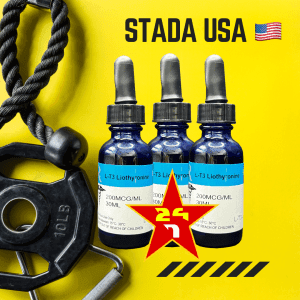
STADA T3 LIQUID 200MCG 30ML
Original price was: $ 91.00.$ 81.00Current price is: $ 81.00.


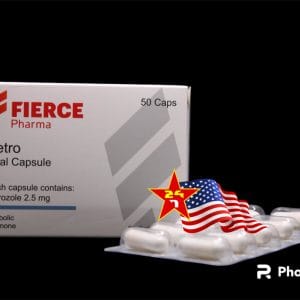
LETROZOLE FEMARA FIERCE 2.5MG 50 CAPS
Original price was: $ 121.00.$ 111.00Current price is: $ 111.00.

EXEMESTANE 25MG FIERCE AROMASIN 50 CAPS
Original price was: $ 121.00.$ 111.00Current price is: $ 111.00.
CROWX 👑 HCGROW 5000 | HCG 5000 IU
Original price was: $ 99.00.$ 79.00Current price is: $ 79.00.
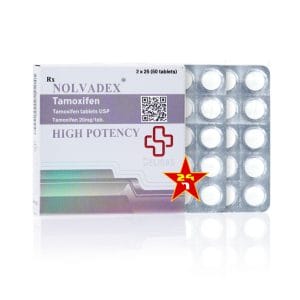
NOLVADEX 20MG 100 TABLETS FIERCE
Original price was: $ 188.00.$ 87.00Current price is: $ 87.00.
ZPHC Anastrozole 30 tablets x 1mg Arimidex

Original price was: $ 201.00.$ 99.00Current price is: $ 99.00.
CYT 3 6MG | T3 | Yohimbe | Clen | Weight Loss Blend | 100 Tablets Total Kit 600mg
$ 71.00