Is 250mg testosterone a week TRT?
Understanding Testosterone Replacement Therapy (TRT)
Testosterone Replacement Therapy (TRT) is a medical treatment designed to restore testosterone levels in men who have low levels due to various medical conditions. This article delves into the intricacies of TRT, addressing its uses, methods of administration, potential benefits, risks, and considerations for those contemplating this treatment. By the end, readers will have a comprehensive understanding of what TRT entails and whether it might be the right choice for them.
What is TRT?

Testosterone Replacement Therapy is primarily used to treat hypogonadism, a condition characterized by low testosterone production in the body. This hormone plays a crucial role in several bodily functions, including the development of male reproductive tissues, the promotion of secondary sexual characteristics, and the maintenance of muscle mass and bone density. TRTs are designed to alleviate symptoms of low testosterone, such as fatigue, decreased libido, and mood disturbances.
Indications for TRT
TRT is indicated in cases where testosterone levels fall below the normal range, typically defined as below 300 ng/dL. The common symptoms prompting consideration of TRT include:
- Low energy levels and fatigue
- Reduced libido and sexual dysfunction
- Weight gain, particularly around the abdomen
- Depression and mood changes
- Decreased bone density
Methods of Administration
TRT can be administered through various methods depending on patient preference and medical considerations. The most common methods include:
Injectable Testosterone
Testosterone can be administered via intramuscular or subcutaneous injections. These typically require administration every one to three weeks, depending on the formulation.

Transdermal Delivery Systems
Transdermal patches or gels allow for the absorption of testosterone through the skin, providing a more constant level of the hormone in the bloodstream. Daily application is generally required.
Pellets
Testosterone pellets are small cylindrical implants that are inserted under the skin. They release testosterone steadily over several months, usually requiring replacement every 3 to 6 months.
Benefits of TRT
Many men undergoing TRT report significant improvements in their quality of life and overall health. Key benefits include:
- Increased energy and reduced fatigue
- Improved mood and a sense of well-being
- Enhanced libido and sexual function
- Increased muscle mass and strength
- Improved bone density, reducing osteoporosis risk
Potential Risks and Side Effects
While TRT can offer remarkable benefits, it is essential to consider possible side effects and risks associated with the therapy:
Common Side Effects
- Aspirin-like side effects, including headache and joint pain
- Skin irritation at the injection site or where topical products are applied
- Increased red blood cell count, which can lead to higher risks of blood clots
Serious Risks
Some potential serious risks associated with TRT include:
- Prostate tissue growth and the potential for exacerbating prostate cancer
- Heart-related conditions, such as an increased risk of heart attacks and strokes
- Sleep apnea, a serious sleep disorder that affects breathing during sleep
Monitoring and Evaluating Therapy
Regular monitoring by a healthcare provider is crucial for men undergoing TRT. This may include:
- Testing testosterone levels periodically to ensure they stay within a normal range
- Monitoring hematocrit levels to assess the risk of blood clotting
- Assessing prostate health through digital rectal exams and prostate-specific antigen (PSA) testing
A personalized approach is fundamental, allowing adjustments to be made based on response to therapy and any side effects experienced.
FREE SHIPPING
HOT PROMOTIONS!
BIG SALE | FAST SHIPPING

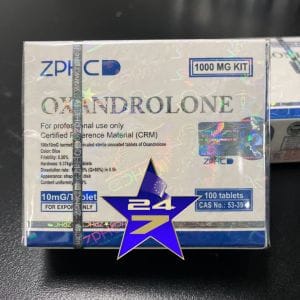
ZPHC Anavar 10mg x 100 tablets
Original price was: $ 199.00.$ 129.00Current price is: $ 129.00.
MASTERON ENANTHATE AUCTUS 200MG 10ML

Original price was: $ 122.00.$ 109.00Current price is: $ 109.00.
STADA TRENBOLONE ENANTHATE 200MG 10ML

Original price was: $ 279.00.$ 149.00Current price is: $ 149.00.
STADA HGH SOMATROPIN 100IU (10 vials)

Original price was: $ 301.00.$ 231.00Current price is: $ 231.00.



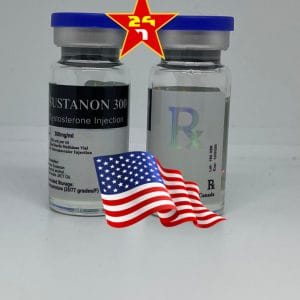
SUSTANON 300MG BLEND AXIOM 10ML
Original price was: $ 229.00.$ 119.00Current price is: $ 119.00.
Who is a Good Candidate for TRT?
Not every man with low testosterone levels is suitable for TRT. Ideal candidates include those diagnosed with hypogonadism, determined by both clinical symptoms and lab tests. Furthermore, candidates should not have contraindications such as current prostate cancer or uncontrolled heart conditions.
Consultation with Healthcare Providers
Anyone considering TRT should have an in-depth consultation with their healthcare provider. This discussion should cover:
- Full medical history, including past and present health issues
- Detailed symptom assessment to ensure low testosterone is the underlying cause
- Discussion of potential benefits and risks of therapy
Frequently Asked Questions
What is testosterone replacement therapy used for?
Testosterone Replacement Therapy is used primarily to treat low testosterone levels in men, addressing symptoms such as fatigue, decreased libido, and mood disturbances.
How often do I need to receive TRT?
The frequency of TRT administration depends on the method used. Injections are typically every one to three weeks, while topical treatments like gels or patches require daily application.
Are there any long-term risks associated with TRT?
Yes, long-term TRT may increase the risk of conditions such as cardiovascular disease and prostate issues. Regular monitoring is essential to manage these risks effectively.
Can TRT improve my quality of life?
Many men report improved energy levels, mood, sexual function, and overall well-being after starting TRT, but individual results can vary.
Conclusion
Testosterone Replacement Therapy offers a viable treatment option for men suffering from low testosterone levels, with numerous potential benefits. However, it is accompanied by certain risks and requires careful monitoring. Before initiating therapy, individuals should consult with qualified healthcare providers to assess their specific conditions and make informed decisions about their treatment pathways.