Unpacking Oral Tren: The Pros, Cons, and Controversies

Oral Tren, scientifically known as methyltrienolone, is a synthetic anabolic-androgenic steroid hailed for its extreme potency, boasting an anabolic rating approximately four times that of testosterone. Despite its allure for rapid muscle gains and strength increases, it poses substantial health risks, including severe liver toxicity and cardiovascular strain. Notably dangerous even at lower doses, its hepatotoxicity can lead to liver failure, while its androgenic effects may cause hair loss and acne. Given these risks, natural alternatives such as creatine and BCAAs offer safer muscle-building routes without compromising health.

Steroid Gynecomastia: Understanding Causes and Prevention

Steroid gynecomastia is a condition characterized by the enlargement of male breast tissue resulting from anabolic steroid use. These substances, used for enhancing athletic performance or bodybuilding, can disrupt hormonal balance by converting into estrogen, leading to breast tissue growth. This can cause physical discomfort and psychological distress, clashing with the hypermasculine goals of steroid users. Management involves stopping steroid use, medical treatments to correct hormonal imbalances, and possibly surgical intervention to remove excess tissue.

Oxymetholone: Its Role in Modern Medicine and Bodybuilding

Oxymetholone is a potent anabolic steroid, initially developed in the 1960s for medical uses like treating anemia and osteoporosis. Known for its ability to stimulate weight gain and muscle mass, it is utilized in specific conditions involving muscle wasting. However, its use is linked to significant risks, including liver toxicity, cardiovascular issues, and hormonal imbalances, making medical supervision crucial. Despite its effectiveness, its non-medical use, particularly in bodybuilding, remains controversial and illegal in many countries due to health risks and ethical concerns.

Trenbolone Vial | Health and Safety

Trenbolone is a potent anabolic steroid commonly used in veterinary medicine to promote muscle growth in livestock, but it has become notorious in bodybuilding circles for its powerful effects on muscle mass and strength. A trenbolone vial typically contains an injectable form of the steroid, often appearing in an amber-colored glass container to protect the solution from light degradation. Its use in humans is both illegal and risky due to its potential side effects, which can include severe cardiovascular, hormonal, and psychological impacts.

Health and Safety Perspective: Tbol Steroid

Turinabol, or Tbol, is highly regarded in bodybuilding for promoting muscle growth and enhancing athletic performance with fewer estrogenic side effects. Developed in the 1960s in East Germany, it improves strength and muscle mass without water retention. Tbol is a Dianabol derivative with reduced androgenic effects, appealing to those seeking lean muscle. However, potential side effects include liver toxicity and cholesterol impacts. Despite being banned by most sports organizations, it remains popular in cutting cycles to preserve muscle while losing fat.

Inside the Controversial World of Steroid Outlets: A Closer Look

In the fitness and bodybuilding world, individuals often turn to anabolic steroids to achieve their desired physique. Steroid outlets—platforms where people purchase steroids—are sometimes viewed as convenient options, especially online, despite the risks. The legality of steroid purchase varies by region, and buying without a prescription often carries legal consequences. A major risk at steroid outlets is counterfeit products, which can be ineffective or harmful. Navigating these platforms requires caution, ensuring outlet legitimacy and understanding legal and health implications is crucial. Prioritizing health and safety above all is essential.

Struggles: The Reality of Anabolic Steroid Use Disorder ASUD

Anabolic steroid use disorder involves the compulsive use of anabolic-androgenic steroids (AAS), primarily for enhancing muscle mass, performance, and appearance, despite known physical and psychological harms. This condition can lead to cardiovascular, liver, and hormonal issues, as well as psychiatric disorders like aggression and depression. Addressing it requires medical interventions, psychological therapy, and support groups. Awareness and early intervention are crucial in preventing dependency and promoting recovery. Understanding and discussing this disorder can guide individuals toward healthier choices and lifestyles.

Understanding Steroid Conversion: A thorough Lead

Steroid conversion is crucial in medicine, especially for managing inflammation with corticosteroids in conditions like asthma and arthritis. Accurate conversion between different corticosteroids ensures effective treatment and minimizes side effects. Tools like conversion charts and online calculators assist healthcare providers in determining equivalent dosages based on potency and patient-specific factors, ensuring safe and effective therapy. Understanding steroid conversion pathways also plays a role in developing treatments for hormone-related disorders and adjusting hormone levels for various medical applications.

Natural vs. Steroid: Decoding the Path to Peak Performance

Natural muscle building and steroid use represent distinct approaches to enhancing physical performance. Natural bodybuilding focuses on rigorous training, nutrition, and rest for gradual muscle growth, emphasizing long-term health. Steroids, meanwhile, offer a quick path to muscle gains but pose health risks, including hormonal imbalances and addiction. Each path presents unique challenges and rewards, with natural methods promoting holistic well-being and steroids yielding rapid, albeit risky, results.

Unpacking the Myth of Steroid Belly: What You Need to Know

The article discusses “steroid belly,” a term describing the abdominal distension seen in bodybuilders using anabolic steroids or HGH. This condition results from factors like organ growth, increased visceral fat, fluid retention, and diet. Preventive measures include avoiding steroids, maintaining a balanced diet, core training, hydration, and regular health monitoring.

Chlorodehydromethyltestosterone: A Controversial Performance Enhancer

Chlorodehydromethyltestosterone, known as Turinabol, is an anabolic steroid that gained fame for its performance-enhancing abilities. Developed in East Germany in the 1960s, it was used in a doping program for athletic success. It is a methandienone derivative with a chlorine atom that reduces androgenic effects while boosting muscle growth and strength. This makes it popular among athletes wanting performance improvement without bulk gain. However, it carries risks like liver toxicity and cardiovascular issues, leading to bans in sports, yet it is still used illicitly in bodybuilding.

Oxymesterone: New Compound for Fitness & Bodybuilding?

Oxymesterone is an anabolic steroid popular among bodybuilders and athletes for its muscle-boosting capabilities. It enhances protein synthesis, nitrogen retention, and red blood cell production, improving endurance and recovery. However, risks like liver toxicity and hormone imbalances require cautious, supervised use. Legal restrictions also limit access.

Understanding Methyltestosterone: Benefits, Risks, and Uses

Methyltestosterone is a synthetic anabolic steroid mimicking testosterone’s effects. It’s used to treat testosterone deficiencies, certain breast cancers, and delayed puberty in boys. While effective, it carries risks like liver toxicity and cardiovascular issues, requiring careful medical supervision. Often abused in sports, it is a controlled substance in many countries.

Unlocking the Power of Methandriol Dipropionate: A all-inclusive key

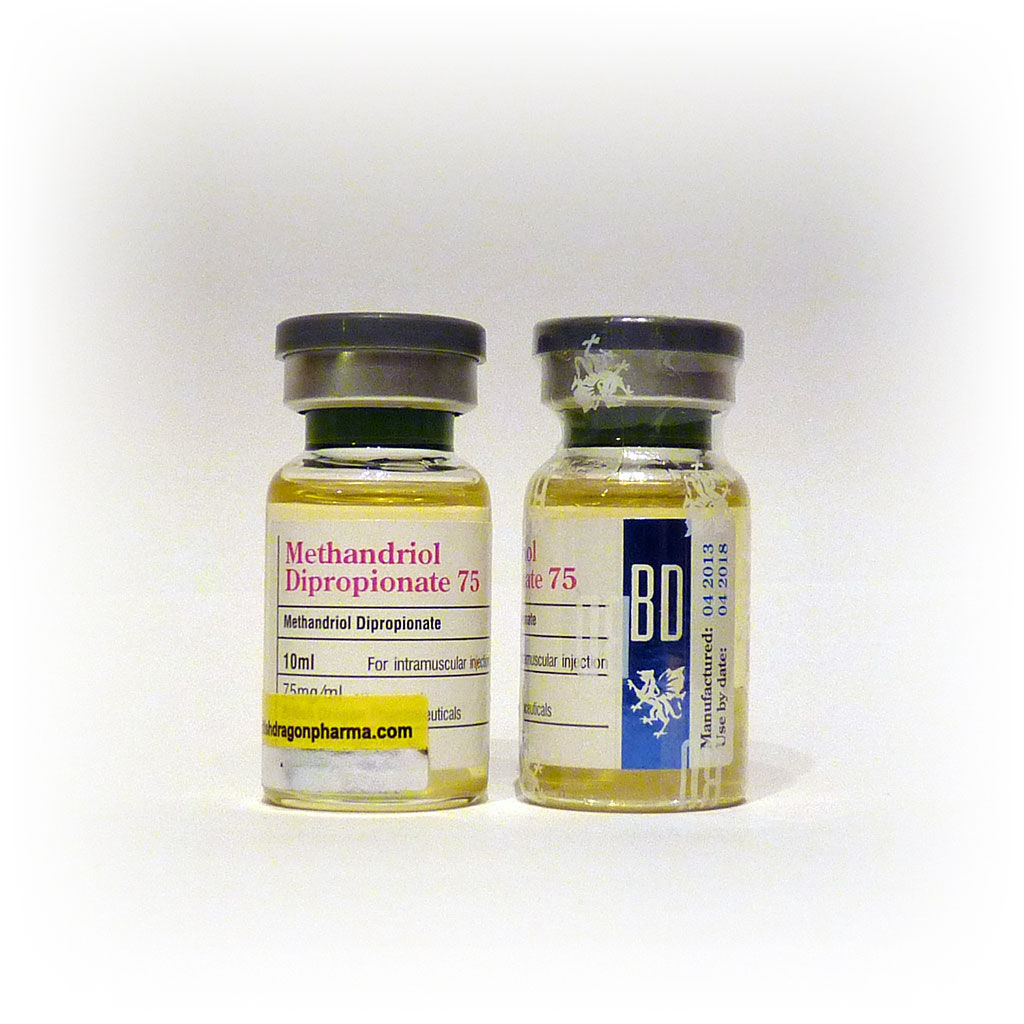
Methandriol Dipropionate is an anabolic-androgenic steroid used to enhance athletic performance and muscle growth. It is the dipropionate ester of methandriol, improving bioavailability and extending the half-life when administered intramuscularly. While it promotes growth, potential side effects include liver toxicity and hormonal imbalances, leading to its classification as a controlled substance in many countries. Athletes should consider legal implications and potential health risks before use.

The Power of Methandriol Dipropionate: A Complete sign

Methandriol Dipropionate is an anabolic steroid known for its strong anabolic effects, often used in muscle-building and performance-enhancing regimens. It enhances muscle growth by promoting protein synthesis and nitrogen retention. Common uses include promoting muscle gain and increasing strength. Like all steroids, it has potential side effects such as hormonal imbalances and liver toxicity, hence cautious use is advised.

Methandriol: The Effects and Risks of this Anabolic Steroid

Methandriol is a synthetic anabolic steroid derived from dihydrotestosterone (DHT), primarily used in bodybuilding for muscle growth and strength. Its benefits include aiding muscle development and providing mild estrogenic effects to balance harsh steroid cycles. However, it carries risks like androgenic effects and cardiovascular issues, and is illegal to use without a prescription in many regions.

Metandesenolone: The Rise of a Performance-Enhancing Drug

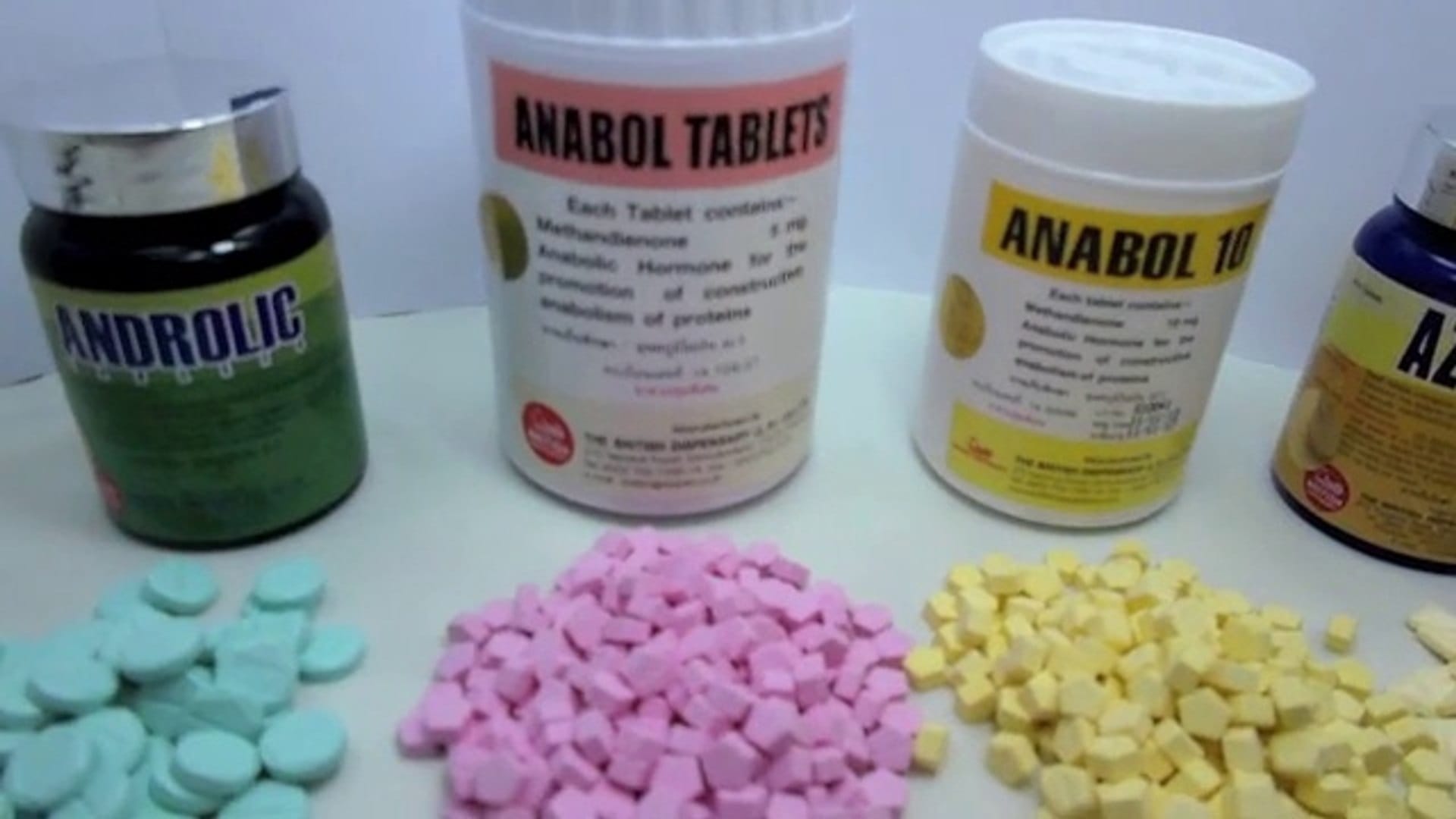
Metandesenolone, or Dianabol, is an anabolic steroid developed in the late 1950s to aid recovery from muscle loss. It gained popularity in bodybuilding for promoting rapid muscle growth by enhancing protein synthesis and nitrogen retention. Despite its benefits, it carries risks such as liver toxicity and hormonal imbalances, leading to legal restrictions in various countries.

Methyltrienolone: The World’s Most Potent Anabolic Steroid

Methyltrienolone is a potent synthetic anabolic steroid with significant androgenic effects, commonly used in research for its high binding affinity with androgen receptors. Known as “oral tren,” it stands out due to its powerful ability to increase muscle mass, yet poses severe hepatotoxic risks, which discourage human use. Despite its effectiveness, it’s not approved for medical applications, underscoring safety concerns related to liver damage and other side effects. Consequently, it’s primarily utilized in controlled research settings rather than by athletes or bodybuilders seeking performance enhancement.

Uncovering the Dangers of Steroid Abuse in Sports

The topic of steroids often elicits polarized opinions due to controversies surrounding their misuse, particularly among athletes and bodybuilders aiming to enhance performance and appearance. While offering short-term gains like increased muscle mass and endurance, steroids pose significant health risks. These include liver damage, heart disease, hormonal imbalances, and changes in physical appearance. Recognizing abuse signs, like sudden physique changes and aggression, is crucial for intervention. Legal and ethical implications further complicate steroid misuse, driving the need for comprehensive education and preventive measures to tackle this issue effectively.

What You Need to Know About Anabolic Steroid Regulations

Anabolic steroid laws vary globally, often stringent due to potential abuse and health effects. In countries like the U.S., they are controlled substances under Schedule III, requiring prescriptions for legal possession. Illegal use, distribution, or sale can lead to severe penalties. Sports organizations and global bodies like WADA enforce rules to prevent misuse and ensure fair competition.

Understanding Steroids: A overall Lead to Benefits and Risks

Steroid-related drugs are synthetic substances that mimic hormones like corticosteroids and anabolic-androgenic steroids, used for therapeutic purposes. Corticosteroids treat inflammatory conditions, while anabolic steroids help in muscle growth. Despite benefits, misuse poses risks like liver damage and cardiovascular issues, highlighting the need for careful medical supervision.

Building Muscle: The Role of Methenolone Acetate in Bodybuilding

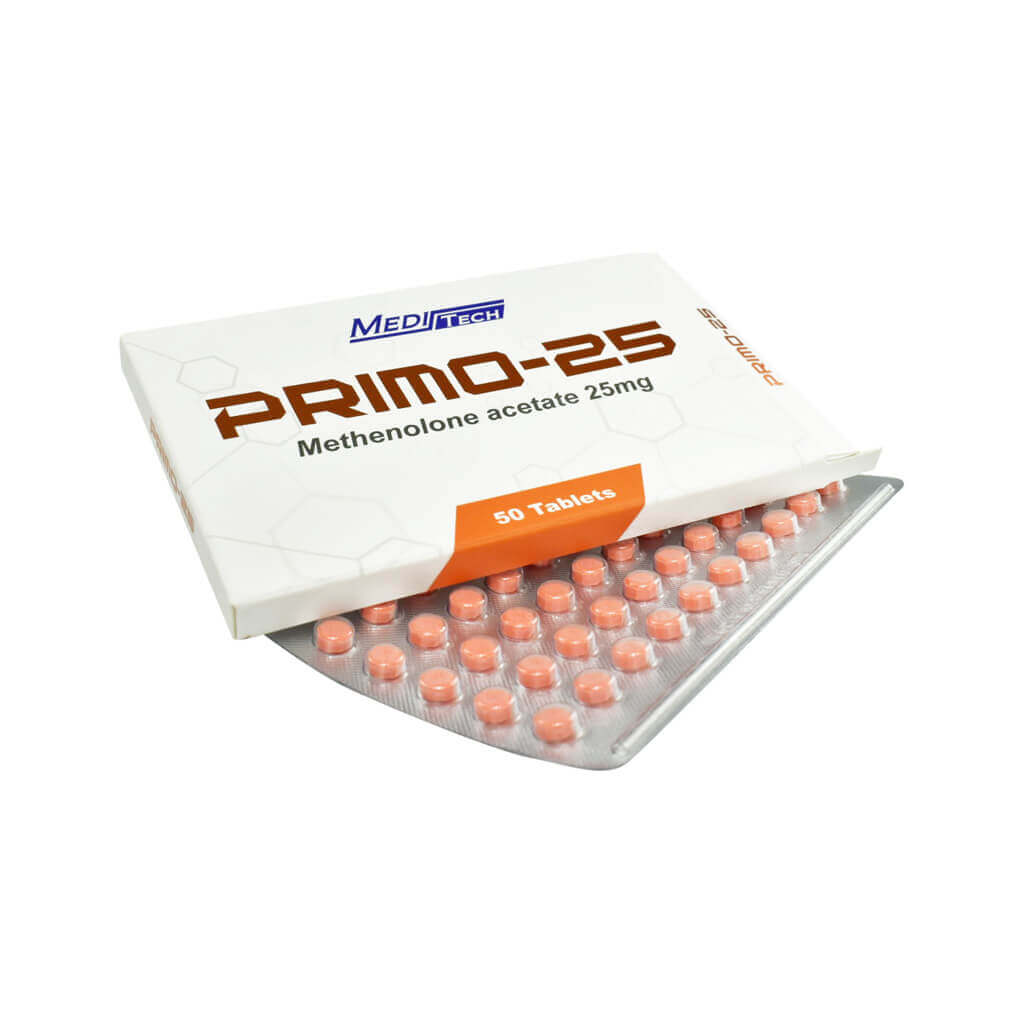
Methenolone acetate, commonly known as Primobolan, is an anabolic steroid frequently utilized in bodybuilding for its muscle-preserving properties and mild profile. Unlike other steroids, it has low androgenic effects, reducing unwanted side effects. It’s favored in cutting cycles for maintaining muscle while reducing fat. Its mild nature makes it safer, posing less liver toxicity risk than other oral steroids. This makes it attractive for bodybuilders seeking refined musculature without harsh side effects, but it should be used cautiously and responsibly.

Is T3 a Steroid Hormone? Debunking Common Misconceptions

T3, or triiodothyronine, is not a steroid hormone but a thyroid hormone produced by the thyroid gland. Unlike steroid hormones, which are lipophilic and derived from cholesterol, T3 is derived from the amino acid tyrosine and iodine. It plays a crucial role in regulating metabolism and energy generation, influencing various physiological systems, including cardiovascular and nervous systems.

Decoding DHB: A Potent Anabolic Steroid in Bodybuilding Circles

DHB, or dihydroboldenone, is a potent anabolic steroid derived from the steroid boldenone, known as 1-testosterone. It is favored by bodybuilders for promoting muscle growth and strength with fewer estrogenic side effects. Its anabolic-to-androgenic ratio surpasses testosterone, minimizing androgenic effects like hair loss. However, DHB poses risks such as liver toxicity and legal issues, varying by region. Users must weigh benefits against potential health risks and legal consequences before use.

Behind Closed Doors: Uncovering the World of UGL Steroid Labs

UGL steroid labs operate without regulatory oversight, producing anabolic steroids for users seeking performance enhancement. These labs provide drugs at lower costs and greater accessibility than legal alternatives but present substantial risks. The lack of stringent quality control can lead to inconsistent dosing and contamination, posing health hazards. The legal implications of using these unregulated substances are severe, with potential criminal charges for possession or distribution. Despite their affordability, the associated risks necessitate careful consideration and skepticism from users.

Understanding Dymethazine: The Muscle-Boosting Supplement

Dymethazine is a designer steroid known for its anabolic effects, often used in bodybuilding to enhance muscle growth and strength. It is a prohormone that converts into active hormones, promoting rapid muscle gains and performance improvement. However, its use carries significant risks such as liver damage, cardiovascular issues, and hormonal imbalances. Despite its potential benefits, dymethazine is not approved for medical use and is banned in many sports organizations. Users should carefully consider the health risks and consult professionals before use.

Left Menu Icon
Your Cart