


Is 100mg of testosterone per week enough?
Understanding Hormone Replacement Therapy (HRT)
Hormone Replacement Therapy (HRT) is a medical treatment used to relieve symptoms associated with hormone imbalances, particularly during menopause for women and to some extent in men experiencing low testosterone levels. The therapy involves the administration of hormones to restore the body’s hormonal balance and alleviate various symptoms that arise from hormonal deficiencies.
What Is Hormone Replacement Therapy?
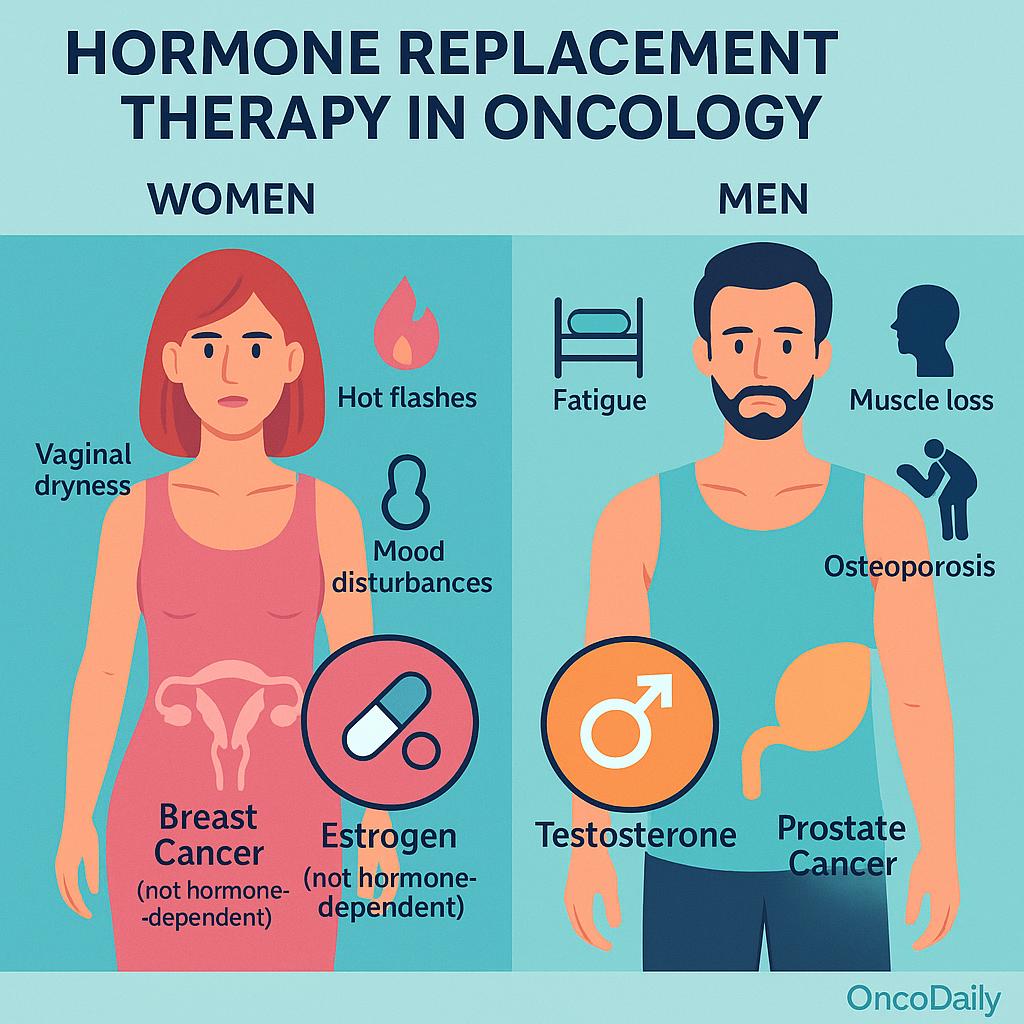
HRT primarily aims to supplement the hormones that the body no longer produces or produces in inadequate amounts. Common forms of HRT include estrogen therapy for women and testosterone therapy for men. By regulating hormone levels, HRT can enhance the quality of life and counteract the adverse effects of hormonal imbalances.
Types of Hormone Replacement Therapy
Hormone Replacement Therapy encompasses a variety of treatments depending on the specific hormone being replaced and the patient’s needs. The two main types include:
- Estrogen Therapy: Commonly used for women experiencing menopause, it can be administered in several forms including pills, patches, and creams.
- Testosterone Therapy: Used for men with low testosterone levels, testosterone can be given through injections, patches, or gels.
Forms of HRT
Each type of therapy has various forms:
- Pills: Common for both estrogen and testosterone therapies and generally easy to use.
- Patches: Adhesive patches deliver hormones through the skin and can provide a steady release of hormone over time.
- Injections: Hormones can be delivered via injections, typically offering a rapid increase in hormone levels.
- Gels and creams: These are applied directly to the skin and allow for absorption, providing flexibility and control over hormone dosages.
The Benefits of Hormone Replacement Therapy
HRT comes with several benefits, which can vary depending on the individual’s needs and circumstances:
- Relief of Menopausal Symptoms: HRT significantly alleviates common menopausal symptoms such as hot flashes, night sweats, and mood swings.
- Bone Health Improvement: Estrogen plays a vital role in maintaining bone density, and HRT can help reduce the risk of osteoporosis in postmenopausal women.
- Enhanced Quality of Life: Many patients report a better quality of life with improved sleep, increased energy, and enhanced sexual function when undergoing HRT.
Potential Risks and Considerations
While hormone replacement therapy offers substantial benefits, it is important to consider potential risks:
- Increased risk of certain cancers (such as breast and endometrial cancer) in women.
- Risk of cardiovascular issues, particularly in older patients or those with pre-existing heart conditions.
- Possible side effects like headaches, nausea, or mood changes.
Because of these risks, it’s essential for patients to engage in detailed discussions with their healthcare providers to personalize their treatment and evaluate potential benefits against the risks.
Monitoring and Dosage Adjustments
Regular monitoring is critical in hormone replacement therapy to ensure the correct balance of hormone levels. Healthcare providers typically recommend:
- Regular blood tests to evaluate hormone levels.
- Periodic health check-ups to keep track of any side effects or complications.
- Dosage adjustments based on age, symptoms, and individual response to therapy.
How Long Should You Stay on HRT?
The duration of hormone replacement therapy varies widely between individuals. While some may require HRT for a few years to manage symptoms effectively, others might use it for longer durations based on hormone levels and health considerations. Guidelines suggest that women typically use estrogen therapy for a limited time as part of an overall management strategy for menopause.
Individualized Treatment Plans
Individual circumstances, medical history, and personal preferences play a significant role in determining the length of HRT. Comprehensive evaluations by healthcare professionals can help tailor the duration and type of therapy for optimal outcomes.
Who Should Consider Hormone Replacement Therapy?
Candidates for HRT typically include:
- Women experiencing severe menopausal symptoms that disrupt everyday life.
- Men diagnosed with low testosterone levels, particularly if symptoms are present.
- Individuals with a history of hormone deficiency that significantly impacts their quality of life.
It is vital for potential candidates to consult healthcare professionals who can assess their medical history, symptoms, and overall health status before proceeding with HRT.

Cost and Accessibility of Hormone Replacement Therapy
The cost of hormone replacement therapy can vary widely based on the form of treatment and the healthcare provider’s fees. Several factors influence the overall cost:
- Type of Hormone: Different hormones have varying costs associated with their administration.
- Insurance Coverage: Depending on insurance plans, some therapies may be partially or fully covered.
- Geographic Location: Costs can differ based on the region and healthcare systems in place.
Patients should consult with their healthcare providers regarding financial considerations, potential insurance claims, and affordable treatment options.
Accessing Hormone Replacement Therapy
Many healthcare providers offer HRT, but accessibility can vary. Patients should look for:
- Endocrinologists specializing in hormone therapy.
- General practitioners with experience in managing hormone replacement.

Conclusion
Hormone Replacement Therapy (HRT) is a crucial treatment option for restoring hormonal balance and improving the quality of life in individuals suffering from hormone deficiencies. While it offers various benefits, including symptom relief and improved health outcomes, it is essential to weigh these against potential risks. Consultation with healthcare professionals is vital to create a personalized treatment plan, monitor therapy effectiveness, and ensure health safety.
Frequently Asked Questions
What are the common symptoms that indicate the need for HRT?
Common symptoms include severe hot flashes, night sweats, mood swings, and sexual dysfunction in women, while men may experience low libido, fatigue, and depression.
Is Hormone Replacement Therapy safe?
While HRT can be safe and effective for many, it carries potential risks. It is important to have a thorough evaluation and discuss the benefits and drawbacks with your healthcare provider.
Can I stop HRT at any time?
Yes, HRT can be stopped, but it should be done under the guidance of a healthcare provider. Abrupt discontinuation may lead to the return of symptoms.
How often should I have my hormone levels checked while on HRT?
Hormone levels typically should be monitored periodically, with checks generally recommended every 3 to 6 months, or as advised by your healthcare provider.





