Understanding Lyrica: Is It an Opioid?
TABLE OF CONTENTS

Lyrica is a prescription medication commonly used to treat nerve pain, fibromyalgia, and certain types of seizures. While its effectiveness is well-documented, there is often confusion surrounding the classification of medications. A frequent question is, is Lyrica an opioid? Understanding the differences between Lyrica and opioids is crucial for both patients and healthcare providers.
Understanding Lyrica
Lyrica, also known by its generic name pregabalin, is an anticonvulsant and neuropathic pain agent. It works by affecting certain neurotransmitters in the brain to help decrease pain and control seizures. Unlike opioids, Lyrica does not primarily act on the opioid receptors in the brain. This distinction means that while Lyrica can manage certain types of pain, it is not classified as an opioid.
Comparison with Opioids
Opioids are a class of drugs that include prescription medications like morphine, oxycodone, and hydrocodone, as well as illegal drugs like heroin. They work by binding to opioid receptors in the brain, producing pain relief and feelings of euphoria. This mechanism often leads to a high potential for addiction and abuse. In contrast, is Lyrica an opioid? No, it is not. Its mechanism of action is distinctly different, which reduces the risk of dependence compared to opioids.
Usage and Dependence
While Lyrica is not considered an opioid, it is still essential to use it responsibly. Misuse of Lyrica can lead to side effects such as dizziness, drowsiness, and in severe cases, dependence. However, the potential for addiction is significantly lower than that of opioids. Patients should always follow their healthcare provider’s instructions when taking Lyrica to manage their symptoms effectively.
For more detailed information about Lyrica, you can visit FDA’s official page on non-opioid pain management and WebMD’s detailed breakdown of Pregabalin.
Conclusion
In conclusion, is Lyrica an opioid? No, Lyrica is not classified as an opioid. Its distinct mechanism of action makes it an effective alternative for managing certain types of pain without the high risk of addiction associated with opioids. Patients should work closely with their healthcare providers to ensure they use Lyrica safely and effectively.
FAQs
Is Lyrica addictive?
Lyrica has a lower potential for addiction compared to opioids, but misuse can still lead to dependence. Always use as directed by a healthcare professional.
Can Lyrica be used for all types of pain?
Lyrica is specifically effective for nerve pain, fibromyalgia, and certain seizures. It is not suitable for all pain types, especially those best managed by other drug classes.
What are the side effects of Lyrica?
Common side effects include dizziness, sleepiness, dry mouth, and swelling. If you experience severe side effects, consult your doctor immediately.
BIG SALE | FAST SHIPPING
HOT PROMOTIONS!


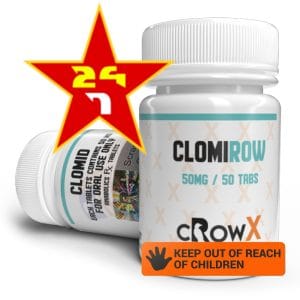
CROWX 👑 CLOMIROW 50 Mg / 50 Tabs ( Clomid )
Original price was: $ 79.00.$ 69.00Current price is: $ 69.00.

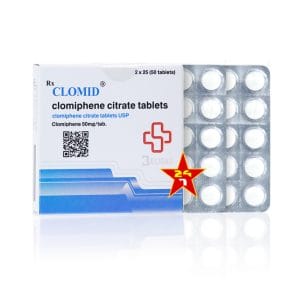
FIERCE CLOMID 50MG 50CAPS

Original price was: $ 129.00.$ 119.00Current price is: $ 119.00.

Beligas 10ml Vial Testosterone NPP Blend 150mg

Original price was: $ 119.00.$ 99.00Current price is: $ 99.00.
Lyrica, known generically as pregabalin, is not classified as an opioid. It is an anticonvulsant and neuropathic pain agent primarily used to treat conditions like nerve pain associated with diabetes, shingles, fibromyalgia, and spinal cord injuries, as well as partial onset seizures. Lyrica functions by modulating calcium channels to reduce the release of certain neurotransmitters, thereby alleviating pain and preventing seizures. Because it works differently from opioids, it doesn’t share the typical risks associated with opioid use, such as respiratory depression. However, it can still be habit-forming and may lead to side effects like dizziness, sleepiness, and weight gain.