Vegan Energy Boosters: Snacks to Enhance Your Workout Performance
TABLE OF CONTENTS

In recent years, vegan food for fitness has gained significant attention among athletes and fitness enthusiasts. Contrary to the myth that a plant-based diet cannot meet the nutritional demands of physically active individuals, vegan food offers numerous benefits that can enhance performance and recovery. 🌱 Whether you’re a seasoned athlete or just embarking on your fitness journey, incorporating vegan food into your routine can provide the nutrition needed for better results.
Understanding Vegan Nutrition for Fitness
When engaging in any fitness program, it’s crucial to consume an adequate balance of macronutrients and micronutrients. Vegan food for fitness can supply all the essential nutrients required for sustained energy and muscle growth. Protein sources such as lentils, chickpeas, tofu, and quinoa play a vital role in muscle repair and growth. Healthy fats from avocados, nuts, and seeds bolster energy levels and promote overall health. Finally, a variety of fruits and vegetables provide the necessary vitamins and minerals that aid in recovery and immunity. 🍎
Benefits of Vegan Food for Fitness Enthusiasts
Vegan food for fitness has several benefits. First, plant-based diets are generally lower in saturated fats, which can contribute to improved heart health. Additionally, the abundance of fiber present in whole foods promotes better digestion and helps fuel workouts with sustained energy levels. The antioxidants found in fruits and vegetables can reduce inflammation, further enhancing recovery after intense exercise sessions.
Creating a Balanced Vegan Meal Plan
Structuring a well-rounded vegan food plan for fitness ensures optimal performance and recovery. Start with a protein-rich breakfast like a smoothie bowl with spinach, bananas, and a scoop of hemp protein. Lunch could include a hearty quinoa salad with mixed greens, chickpeas, and a variety of colorful vegetables. Capsicum-stuffed lentils or tofu stir-fry with brown rice make excellent dinner options. It’s important to stay hydrated and consider supplementing with B12, vitamin D, and omega-3 if necessary.
FREE SHIPPING
HOT PROMOTIONS!
BIG SALE | FAST SHIPPING
AXIOM TESTOSTERONE ENANTHATE 300MG 10ML
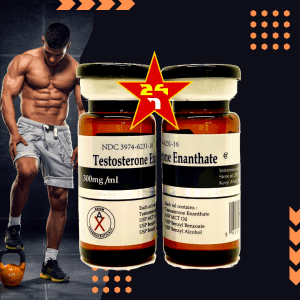
Original price was: $ 119.00.$ 99.00Current price is: $ 99.00.
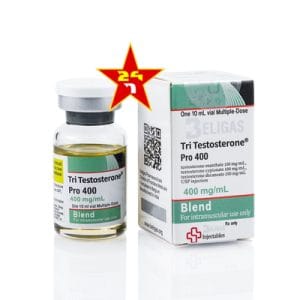




ZPHC Winstrol Stanozolol 10mg x 100 Tablets

Original price was: $ 99.00.$ 79.00Current price is: $ 79.00.


Beligas Propha Testosterone 10 vials x 1ml (Propionate) 100mg

Original price was: $ 79.00.$ 69.00Current price is: $ 69.00.





CROWX 👑 SUSTAROW 300 MG/ 10 ML Vial SUSTANON
Original price was: $ 109.00.$ 99.00Current price is: $ 99.00.
Conclusion
Embracing vegan food for fitness can be a transformative decision for health-conscious individuals. By focusing on whole, nutritious plant-based foods, you can achieve your fitness goals without sacrificing your ethics or the environment. As more research emerges, the benefits of vegan food for fitness will continue to validate this lifestyle choice for athletes seeking effective results with a reduced ecological footprint. 💪
FAQs
Q: Can I get enough protein from vegan food for fitness?
A: Yes, there are many plant-based protein sources such as lentils, chickpeas, tofu, and quinoa that can meet your protein needs for fitness.
Q: Do I need supplements on a vegan fitness diet?
A: While a balanced diet can provide most nutrients, supplements like B12, vitamin D, and omega-3 can help ensure you’re not missing any essential nutrients.
Q: Will vegan food for fitness help with weight loss?
A: Yes, a plant-based diet is often rich in whole foods that are nutrient-dense yet lower in calories, aiding in weight management and fat loss.
Embrace the power of vegan food for fitness to fuel your workouts and improve your health for the long run. #bodybuilding #fitness #gym #workout #fitnessmotivation #motivation #fit #muscle #gymlife #gymmotivation #training #fitfam #bodybuilder #fitnessmodel #health #lifestyle #personaltrainer #powerlifting #crossfit #healthylifestyle #gains #healthy #instagood #exercise #instafit #fitspo #fitnessaddict #strong #abs #bodybuildingmotivation #stayfit #bodybuilding
Vegan food offers a powerful arsenal for fitness enthusiasts seeking plant-based solutions to fuel their active lifestyles. A well-planned vegan diet can provide all the essential nutrients needed to support muscle growth, energy levels, and overall recovery. Staples such as quinoa, lentils, chickpeas, and tofu provide ample protein, while nuts, seeds, and avocados deliver healthy fats that sustain energy. Complex carbohydrates from whole grains and starchy vegetables ensure glycogen stores are replenished, powering workouts and enhancing endurance. Moreover, the rich array of fruits and vegetables in a vegan diet supplies antioxidants, vitamins, and minerals that combat inflammation and support immune health. With mindful planning, vegan food can seamlessly align with fitness goals, offering both performance benefits and ethical choices.