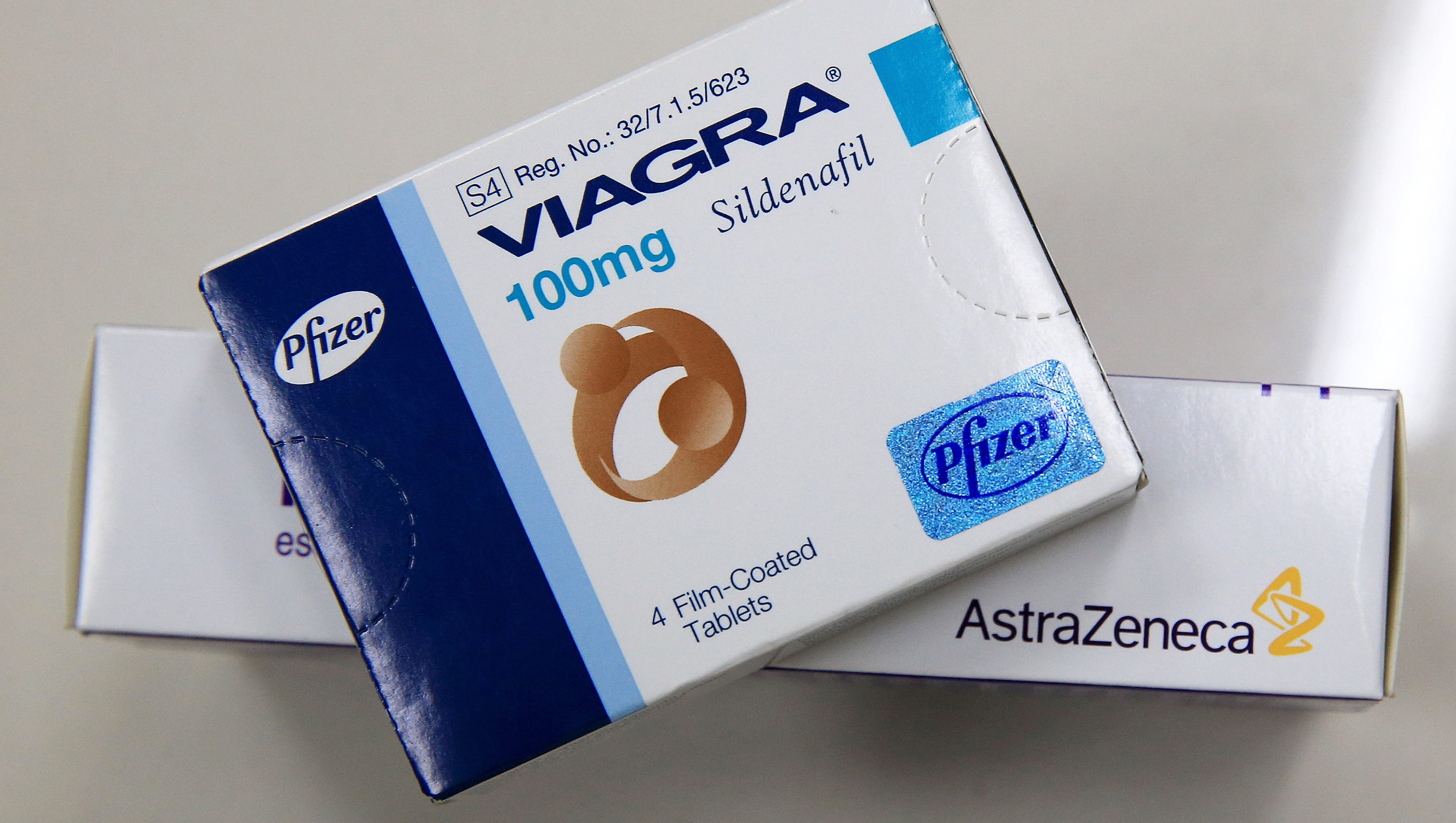
Viagra: Understanding the Science Behind the Blue Pill
TABLE OF CONTENTS

Viagra, generically known as sildenafil, is a medication primarily used to treat erectile dysfunction (ED) and, in some cases, pulmonary arterial hypertension. Since its introduction in the late 1990s, Viagra has gained significant attention and usage, transforming the way men approach sexual health and wellness. In this article, we will explore how Viagra works, its effectiveness, potential side effects, and important considerations for use.
What is Viagra?
Viagra is a phosphodiesterase type 5 inhibitor (PDE5 inhibitor) that works by increasing blood flow to the penis during sexual stimulation. Its active ingredient, sildenafil, was initially developed to treat angina (chest pain) before its properties for treating erectile dysfunction were discovered. The blue pill has become synonymous with ED treatment, leading to widespread recognition and use.
How Does Viagra Work?
The mechanism of action for Viagra involves the inhibition of the enzyme phosphodiesterase type 5. When a man becomes sexually aroused, nitric oxide (NO) is released in the penis, which stimulates the production of cyclic guanosine monophosphate (cGMP). This leads to the relaxation of blood vessels, allowing increased blood flow to the penis. In conditions of erectile dysfunction, the PDE5 enzyme breaks down cGMP, leading to difficulty achieving or maintaining an erection.
By inhibiting PDE5, Viagra helps maintain higher levels of cGMP, supporting the physiological process of achieving an erection in response to sexual stimulation. However, it is crucial to note that sexual arousal is still necessary for Viagra to work effectively.
Effectiveness of Viagra
Clinical studies have shown that Viagra can be effective for many men experiencing erectile dysfunction. In fact, studies suggest that as many as 70-85% of men report improved erections after taking Viagra. Effectiveness may vary based on the underlying cause of ED, dosage, and individual health factors.
For optimal results, it is usually recommended to take the medication about 30 minutes to an hour before sexual activity. The effects can last for up to four hours, allowing for a window of opportunity for sexual engagement. However, it is essential to note that Viagra does not cause an erection without sexual stimulation.
Dosage and Administration
Viagra is available in tablet form, typically in doses of 25 mg, 50 mg, and 100 mg. The recommended starting dose for most men is 50 mg, but healthcare providers may adjust the dose based on individual needs. It is important to take Viagra as directed by a healthcare professional, and it should not be taken more than once per day.
Some factors influencing the prescribed dose include age, medical history, and concurrent medications. It is advised to swallow the tablet whole with water and avoid consuming high-fat meals before taking Viagra, as this may slow its absorption and effectiveness.
Potential Side Effects
Like all medications, Viagra may cause side effects. Common side effects include:
- Headache
- Flushing (warmth and redness in the face)
- Indigestion
- Nasal congestion
- Dizziness
- Visual disturbances (e.g., blue-tinted vision)
Most side effects are mild and temporary. However, some serious side effects may occur, including:
- Prolonged erection (priapism) lasting more than 4 hours
- Sudden hearing loss
- Chest pain or irregular heartbeat
- Severe allergic reactions
If any serious side effects occur, it is crucial to seek immediate medical attention. It is also essential to inform your healthcare provider of any existing health conditions or medications you are taking to avoid potential contraindications.
Who Should Not Take Viagra?
While Viagra is beneficial for many men with erectile dysfunction, it is not suitable for everyone. Individuals should avoid using Viagra if they:
- Are allergic to sildenafil or any other component of the medication.
- Take nitrates for heart conditions (e.g., nitroglycerin), as the combination can lead to a dangerous drop in blood pressure.
- Have severe heart or liver problems.
- Have low blood pressure or uncontrolled high blood pressure.
It’s essential to discuss your full medical history with a healthcare provider before starting Viagra to determine if it’s safe for you.
Alternative Treatments for Erectile Dysfunction
For men who may not be able to take Viagra, other treatment options for erectile dysfunction exist, including:
- Other medications: Other PDE5 inhibitors are available, such as tadalafil (Cialis) and vardenafil (Levitra).
- Hormone therapy: If ED is related to hormonal imbalances, testosterone replacement therapy may be considered.
- Vacuum erection devices (VEDs): These mechanical devices can help draw blood into the penis to create an erection.
- Pensile implants: Surgical options are available for men with severe ED who do not respond to other treatments.
- Counseling: Psychological factors can contribute to ED, and therapy may help address underlying issues.
The choice of treatment depends on the individual, and consulting a healthcare provider can help determine the best plan.
Lifestyle Changes to Improve Erectile Dysfunction
In addition to medical treatments, making certain lifestyle changes can significantly impact erectile dysfunction:
- Exercise regularly: Physical activity improves circulation, boosts mood, and can enhance sexual performance.
- Maintain a healthy diet: A balanced diet rich in fruits, vegetables, whole grains, and lean proteins supports cardiovascular health.
- Limit alcohol and avoid smoking: Both can impair sexual function, so moderation is key.
- Manage stress: High stress levels can affect libido and erectile function. Learning relaxation techniques can help.
Implementing these changes may supplement the effectiveness of medications like Viagra and promote overall well-being.
Conclusion
Viagra has revolutionized the treatment of erectile dysfunction since its introduction and has provided an effective option for countless men seeking to regain their sexual confidence. Understanding how Viagra works, its potential side effects, and the importance of consultation with healthcare professionals can help individuals make informed decisions about their sexual health. Along with medical treatment, lifestyle modifications can also play a crucial role in enhancing erectile function and overall health. If you or someone you know is experiencing symptoms of erectile dysfunction, consider reaching out to a healthcare provider to discuss the best options available.
FAQs
1. Can I buy Viagra over the counter?
In some countries, Viagra is available over the counter; however, it is generally recommended to obtain a prescription to ensure safe and appropriate use.
2. Is it safe to take Viagra if I have heart problems?
Men with heart problems should consult their healthcare provider before taking Viagra, as it may not be safe for everyone, particularly those using nitrates for treatment.
3. How long does Viagra last?
The effects of Viagra typically last for about 4 hours, although the actual duration may vary between individuals.
4. Can women take Viagra?
Viagra is not approved for use in women and its effects on female sexual function are still being studied. Women experiencing sexual dysfunction should consult a healthcare provider for appropriate treatment.
5. Where can I find more information about Viagra?
For additional insights and experiences regarding Viagra, visit this link.
Viagra, the brand name for sildenafil citrate, is a medication primarily used to treat erectile dysfunction (ED) in men. Approved by the U.S. Food and Drug Administration (FDA) in 1998, Viagra works by enhancing blood flow to the penis during sexual stimulation, leading to an erection. The development of Viagra marked a significant milestone in medical history, as it was the first oral treatment available for erectile dysfunction, a condition that affects millions of men worldwide. Its introduction not only transformed the way ED is treated but also contributed to a broader societal conversation about sexual health.
The mechanism by which Viagra operates involves the inhibition of phosphodiesterase type 5 (PDE5), an enzyme that regulates blood flow in the penis. By blocking this enzyme, sildenafil helps to increase levels of cyclic guanosine monophosphate (cGMP), a molecule that relaxes blood vessels and enhances blood flow. This process, however, is not triggered unless there is sexual arousal, meaning that Viagra does not cause erections on its own but facilitates them when combined with sexual stimulation. This targeted action has contributed to its popularity and reputation as an effective treatment for ED.
Since its initial release, Viagra has spawned a range of generic versions and alternative treatments for erectile dysfunction. These options include other oral medications, such as tadalafil (Cialis) and vardenafil (Levitra), which also operate through similar mechanisms. Beyond these pharmaceuticals, the growing awareness of erectile dysfunction has led to increased interest in complementary approaches, including therapy, lifestyle changes, and the use of devices like vacuum pumps. This holistic view emphasizes the multifaceted nature of sexual health and recognizes the importance of addressing both physical and psychological factors that contribute to ED.
Viagra’s impact extends beyond the realm of medicine; it also influences social perceptions surrounding men’s health and sexuality. The drug has opened avenues for candid discussions about male sexual dysfunction, breaking down long-standing stigmas that often prevented men from seeking help. Advertisements and public health campaigns have worked to normalize conversations about erectile dysfunction, urging men to consult healthcare providers rather than suffer in silence. This shift has encouraged greater awareness and education about sexual health issues, helping to destigmatize the experience and improving overall quality of life for those affected.
Despite its many benefits, Viagra is not without its side effects and contraindications. Common side effects may include headaches, flushing, indigestion, and nasal congestion, while more serious risks can involve cardiovascular issues, particularly in men with preexisting heart conditions. As a result, it is crucial for individuals considering Viagra to consult healthcare professionals who can assess their medical history and provide personalized advice. Moreover, the availability of the drug online has raised concerns about misuse and the importance of obtaining medications through legitimate channels. Overall, Viagra represents a significant advancement in the treatment of erectile dysfunction, but it also highlights the need for responsible use and ongoing conversation about men’s health.