Udenafil: The Emerging Contender in Erectile Dysfunction Treatment

Udenafil is a PDE5 inhibitor, like Sildenafil and Tadalafil, for treating erectile dysfunction by boosting blood flow to the penis. Its key benefits include a rapid onset within 30-60 minutes and lasting up to 24 hours, enhancing both flexibility and spontaneity in sexual activity. Udenafil is favored due to fewer side effects such as headaches and facial flushing. However, potential users should consult with healthcare providers to ensure it suits their specific health conditions.
Avanafil: A Deep Dive into the New Era of ED Treatment

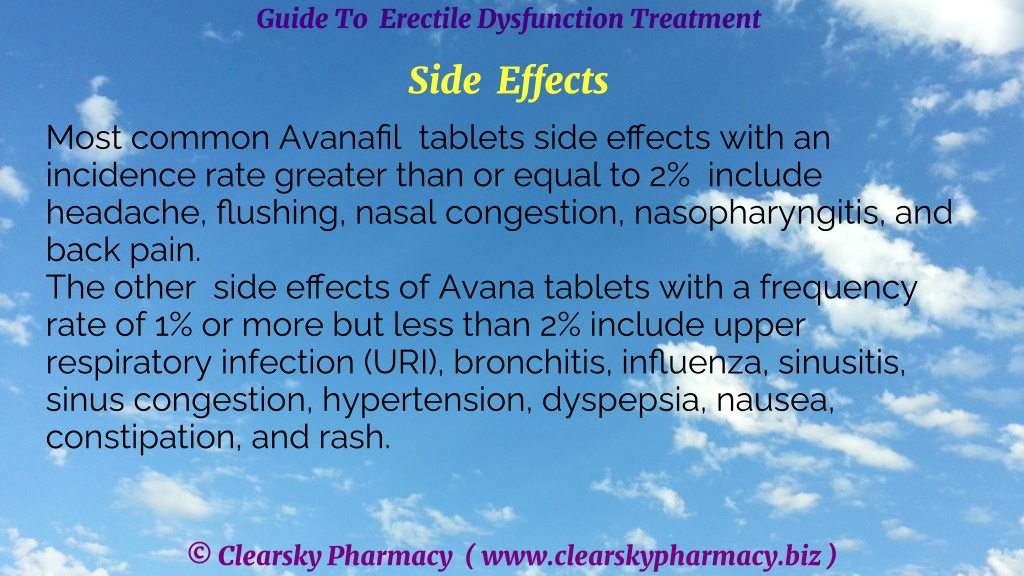
Avanafil is a medication primarily used to treat erectile dysfunction, characterized by the inability to achieve or maintain an erection for satisfactory sexual performance. Marketed under brand names like Stendra and Spedra, it functions as a phosphodiesterase type 5 (PDE5) inhibitor, increasing blood flow to the penis by relaxing blood vessels. Noted for its rapid onset, avanafil can work within approximately 15 minutes of ingestion, making it one of the faster-acting drugs in its class. It is usually taken as needed and known for a lower likelihood of side effects.

Vardenafil vs. Tadalafil: Which ED Medication Is Right for You?

Vardenafil and tadalafil are both phosphodiesterase type 5 (PDE5) inhibitors used in the treatment of erectile dysfunction (ED), yet they exhibit distinct characteristics that may influence a patient’s choice between them. Vardenafil, marketed under names such as Levitra, tends to have a faster onset of action, oftentimes allowing for spontaneity as effects can be felt within 30 to 60 minutes after ingestion. Its effects generally last for about 4 to 5 hours. On the other hand, tadalafil, known commercially as Cialis, may take up to 2 hours…

Tadalafil vs. Sildenafil: The Key Differences in ED Medications

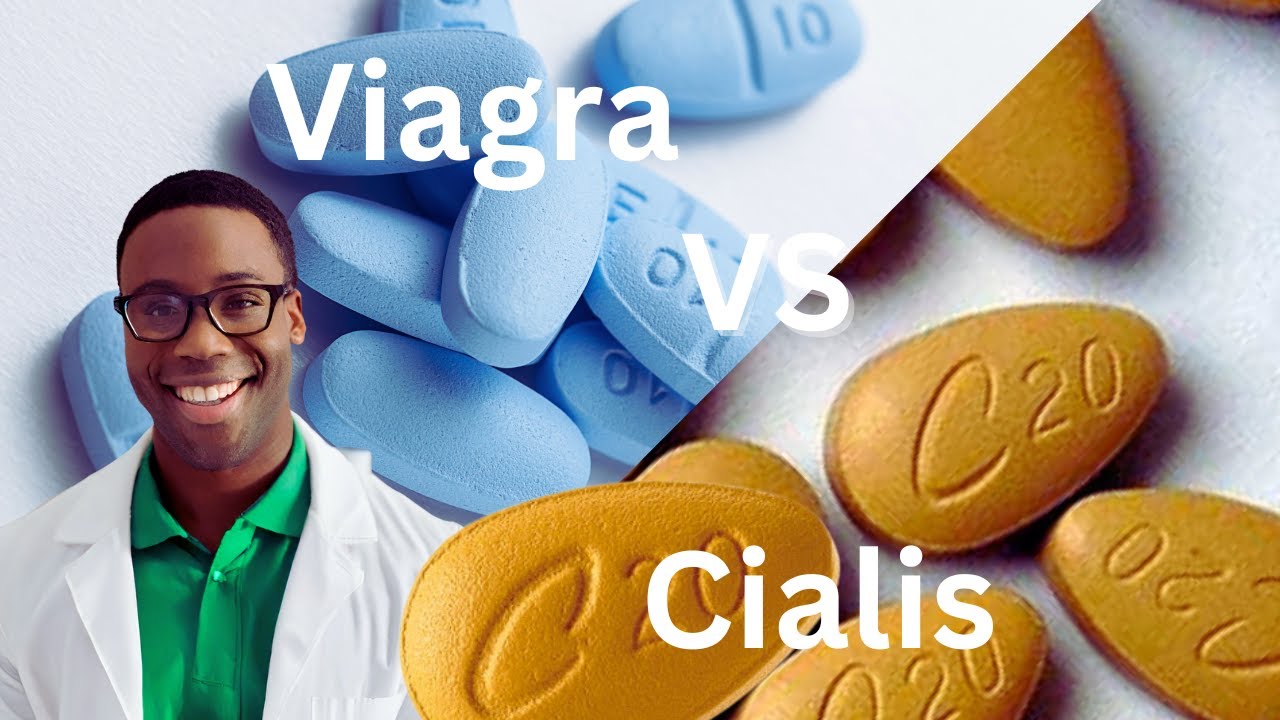
Tadalafil and sildenafil are both phosphodiesterase type 5 (PDE5) inhibitors for treating erectile dysfunction (ED). They enhance blood flow to the penis to support an erection following sexual stimulation. Tadalafil, known as Cialis, is dubbed the “weekend pill” due to its extended duration of up to 36 hours, enabling spontaneity. Sildenafil, or Viagra, acts for about 4 to 6 hours and is typically used 30 minutes to an hour before sexual activity. While effective, choosing between them depends on sexual activity frequency, personal preference, and side effects like headaches and flushing. Consulting a healthcare provider is advised to select the appropriate option based on individual needs.

Levitra | Healthcare and Science Focus:

Levitra, known generically as vardenafil, is used to treat erectile dysfunction (ED) in men by enhancing blood flow to the penis during sexual stimulation. As a PDE5 inhibitor, it typically starts working within 30 minutes to an hour, with effects lasting four to five hours. It’s prescribed when other treatments like sildenafil or tadalafil are unsuitable. Sexual stimulation is necessary for effectiveness, and it doesn’t permanently cure ED or increase sexual desire. Medical guidance is crucial due to possible interactions and side effects such as headaches or dizziness.

Tadacip 20 mg: A broad indication to Its Uses and Benefits

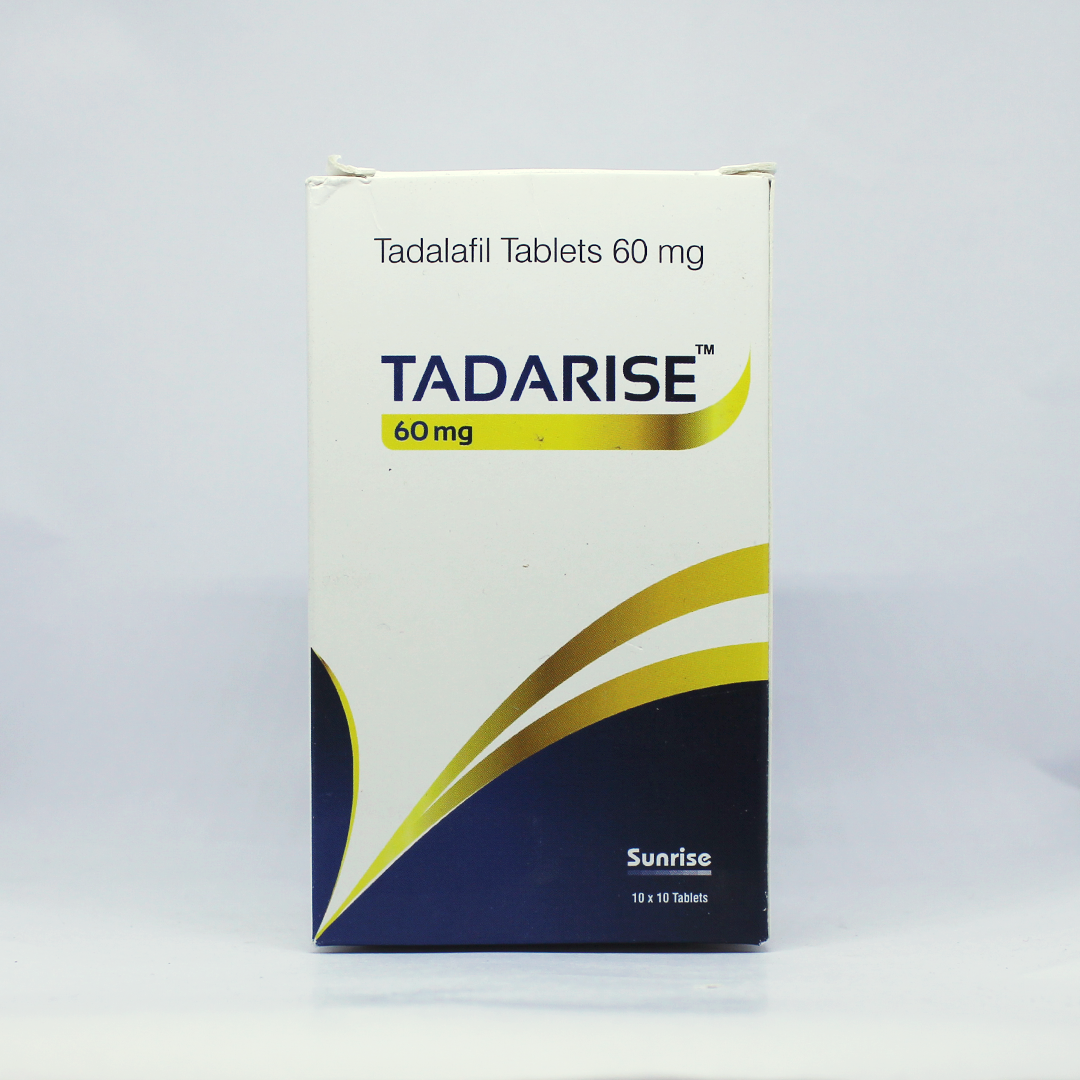
Tadacip 20 mg is a medication for treating erectile dysfunction in men. It contains tadalafil, a phosphodiesterase type 5 inhibitor, which boosts blood flow to the penis to aid in achieving an erection. The effects last up to 36 hours, offering flexibility with dosage and timing. Users should be aware of side effects like headaches and should consult healthcare professionals before use, especially if taking other medications. Tadacip should be used responsibly to ensure safety and effectiveness.

Erectile Dysfunction: A Complete Lead to ICD-10 Coding

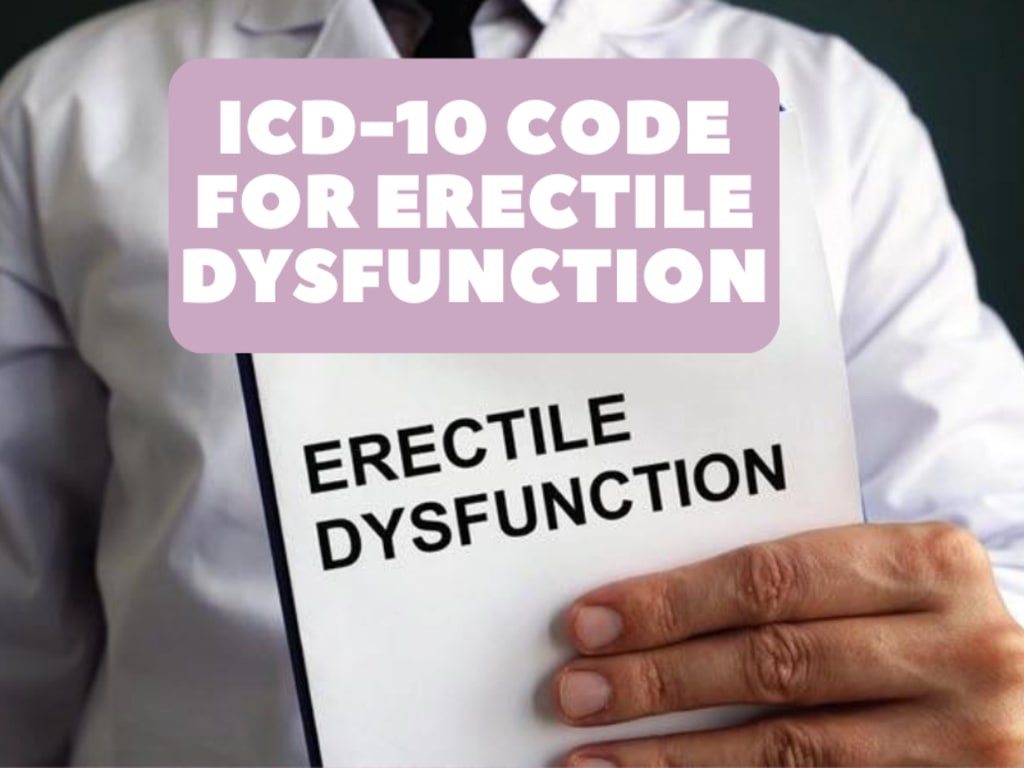
Erectile dysfunction (ED), identified under ICD-10 code N52.9, is a condition affecting men’s ability to achieve or maintain an erection for sexual activity. This code aids in effectively diagnosing and managing ED, crucial for treatment and insurance claims. ICD-10 coding ensures standardized communication across healthcare providers and insurers, influencing treatment plans and facilitating research to track ED prevalence and inform public health strategies. Accurate coding is essential for substantiating insurance claims and ensuring patients receive necessary care without financial constraints.

Erectile Dysfunction: Causes, Symptoms, and Solutions

Erectile dysfunction (ED) is a common issue among men, marked by the persistent inability to achieve or maintain an erection suitable for sexual intercourse. While it affects men across all ages, its prevalence increases with age. The condition can stem from multiple causes, including physical ailments like cardiovascular diseases, diabetes, and hormonal imbalances, as well as psychological factors such as stress, anxiety, and depression. Effective management often involves lifestyle adjustments, medications, therapy, or surgery, tailored to individual needs.

Levitra

Levitra, a phosphodiesterase type 5 (PDE5) inhibitor, is used to treat erectile dysfunction (ED) in men. By improving blood flow to the penis upon sexual arousal, it helps achieve and maintain an erection. Typically taken an hour before intercourse, it starts working within 25 to 60 minutes, with effects lasting up to five hours. Known for its quick action and short duration, it may cause fewer side effects, like headaches and flushing, compared to similar drugs. A doctor’s prescription is essential for safe usage, particularly for those with cardiovascular issues or using other medications.

Sildenafil’s Impact on Sexual Health: A Comprehensive Review

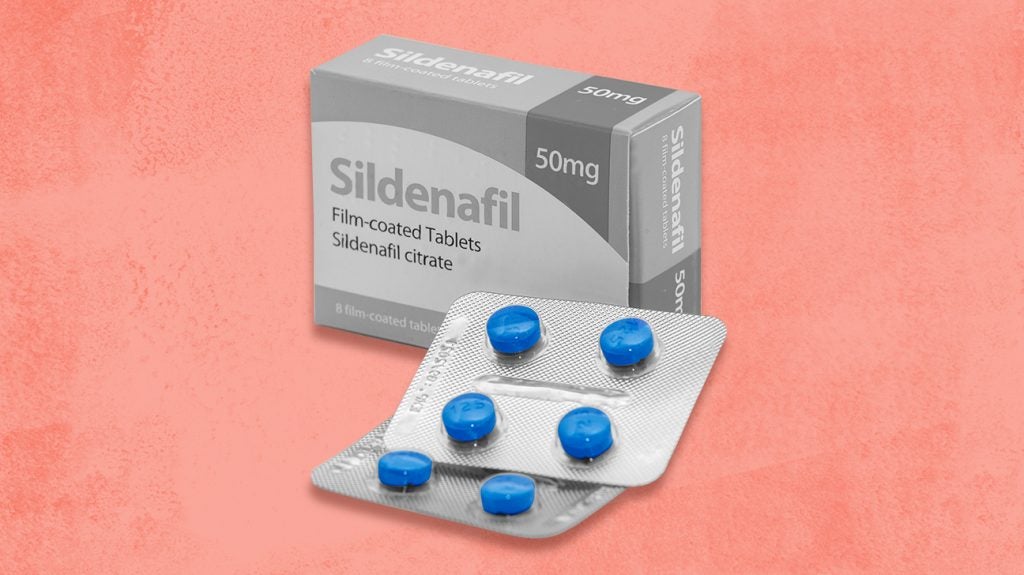
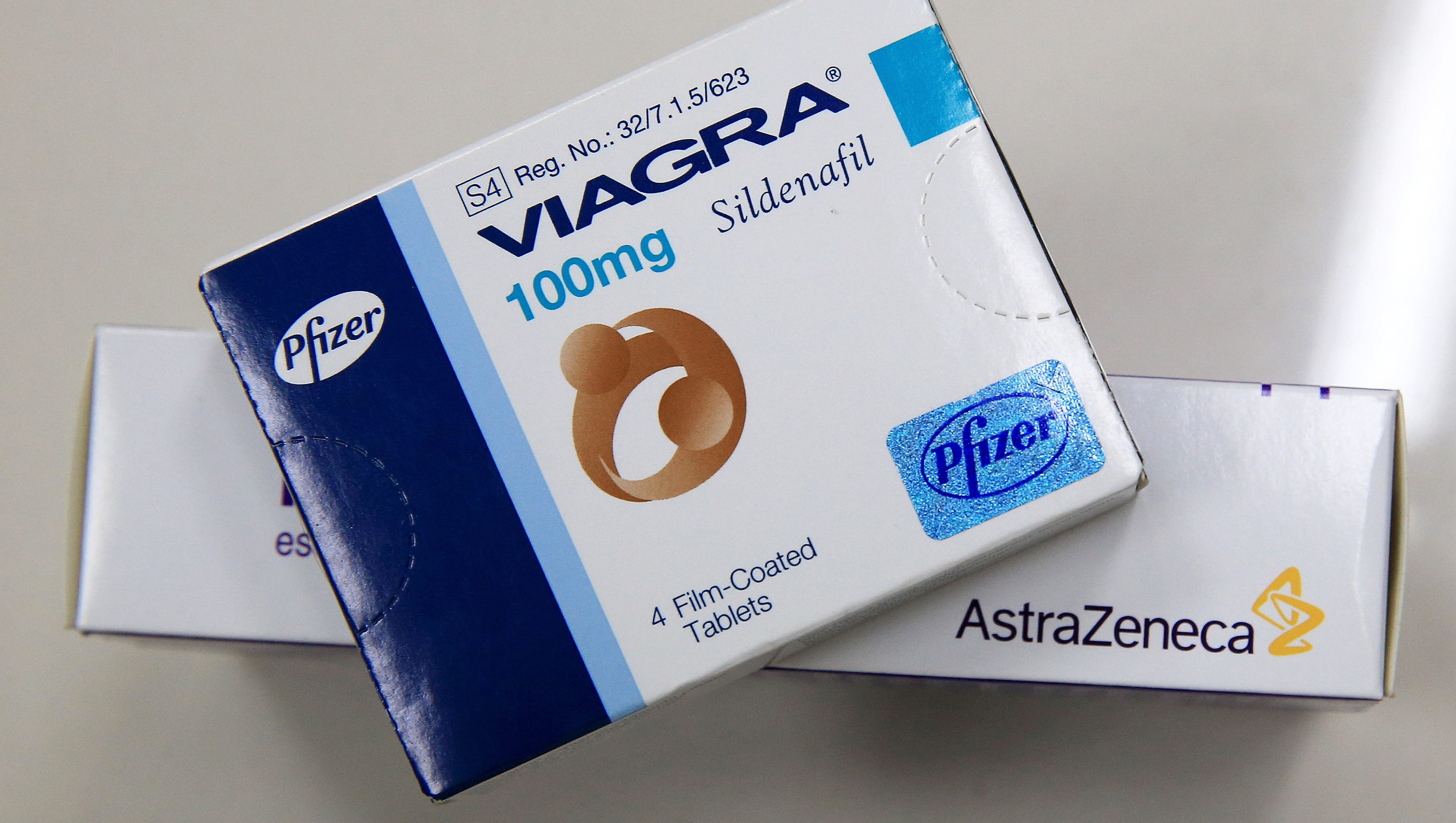
Sildenafil is a medication primarily used for treating erectile dysfunction (ED) and pulmonary arterial hypertension (PAH). Known by commercial names like Viagra and Revatio, it inhibits the enzyme phosphodiesterase type 5 (PDE5), promoting blood vessel relaxation and enhanced blood flow. Originally synthesized in the 1980s for heart-related chest pain, its effect on erections led to its development for ED, significantly influencing sexual health treatment. While effective, sildenafil may cause side effects such as headaches and flushing, requiring careful medical supervision.

Viagra and Heart Health: Exploring the Connections

Viagra, initially studied for treating heart-related issues, was found to aid in erectile dysfunction (ED) treatment, transforming its usage. Its mechanism involves inhibiting the enzyme PDE5, enhancing blood flow and relaxing vessels to help achieve erections. Viagra’s influence extends beyond sexual health, fostering open discussions about ED and reducing stigma—though primary use remains focused on ED, with side effects warranting consultation with healthcare professionals.

Cialis for Daily Use: A Comprehensive Guide

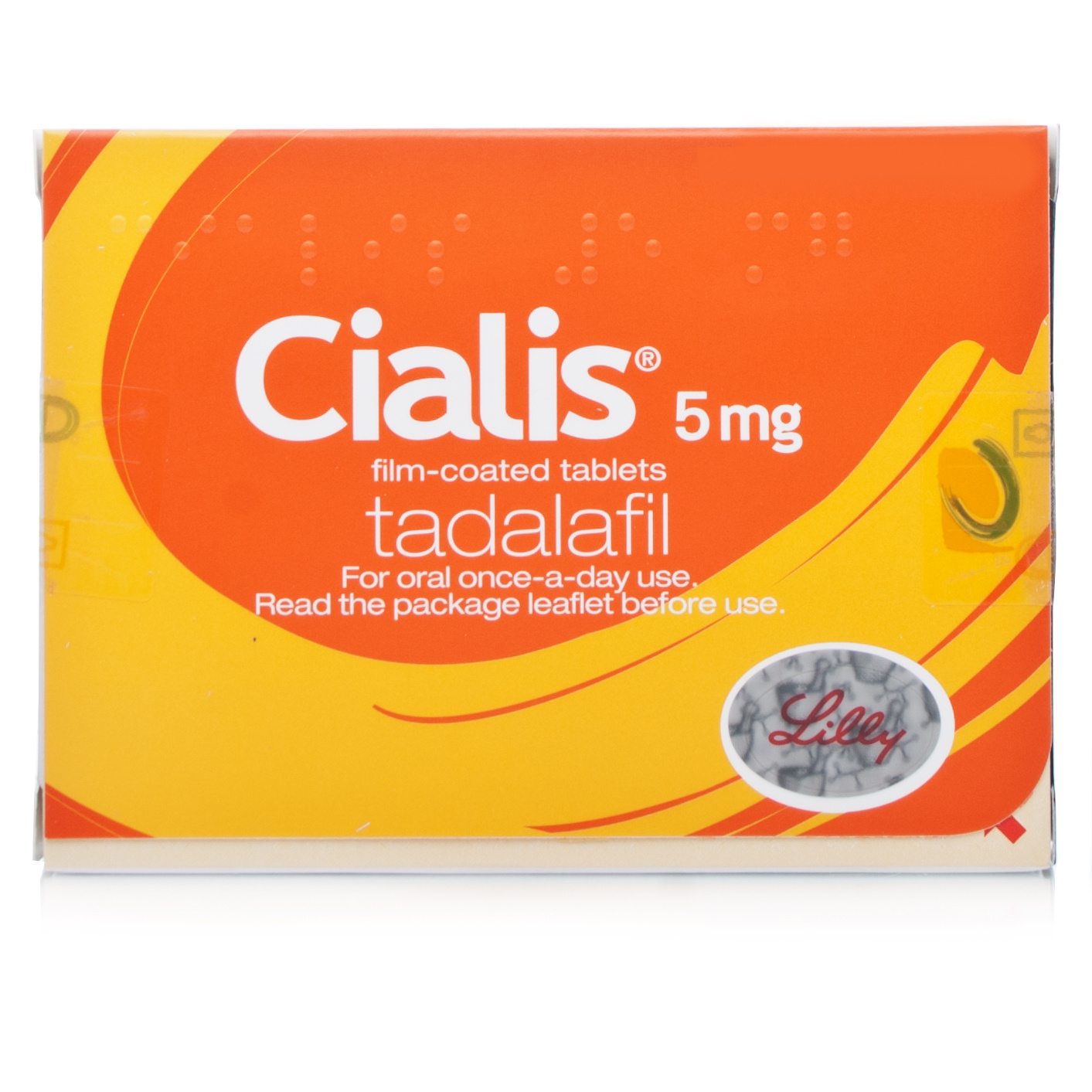
Cialis, generically known as tadalafil, is a medication used to treat erectile dysfunction (ED) and benign prostatic hyperplasia (BPH) in men. It is a phosphodiesterase type 5 inhibitor that works by relaxing blood vessels and increasing blood flow, which aids in achieving an erection when sexually stimulated. Notable for its long-lasting effect, lasting up to 36 hours, Cialis is often referred to as the “weekend pill.” It is available in tablet form and can be prescribed for daily use at a lower dose or taken as needed before sexual activity. Users should consult a healthcare professional for safety.

The Science Behind Cialis: Exploring Its Active Ingredients

Cialis, generically known as tadalafil, is mainly used to treat erectile dysfunction and benign prostatic hyperplasia. As a PDE5 inhibitor, it boosts blood flow to specific body parts. Unique among ED treatments, it works for up to 36 hours, offering extended spontaneity. Besides ED, it’s also approved for enlarged prostate symptoms, enhancing urine flow. However, due to possible interactions and contraindications, consulting a healthcare provider is vital before considering Cialis use.

Understanding Cialis: How It Works and What to Expect

Understanding Cialis Cialis is a popular medication prescribed for treating erectile dysfunction and sometimes benign prostatic hyperplasia. Known chemically as tadalafil, it works by increasing blood flow to specific areas of the body, thus assisting in maintaining an erection. This medication offers an effective solution for men experiencing ED, allowing them to regain confidence andRead More

Sildenafil Side Effects: What You Need to Know Before Taking It

Sildenafil is a well-known pharmaceutical compound originally developed to treat erectile dysfunction (ED) but has since found utility in various areas, including athletics. This medication operates by enhancing blood flow to specific body areas, thereby having potential applications beyond its initial purpose. The active compound in sildenafil interacts with enzymes in the body, particularly targetingRead More

Real Stories: How Cialis Changed Lives for Men with ED

Cialis, a well-known prescription medication, is primarily used to treat erectile dysfunction (ED) and symptoms of benign prostatic hyperplasia (BPH) in men. Tadalafil—the active ingredient in Cialis—works by increasing blood flow to the penis, helping to achieve and maintain an erection during sexual activity. Cialis differs from other ED medications due to its longer duration,Read More

Sildenafil vs. Other ED Medications: Which One is Right for You?

Sildenafil is a medication primarily recognized for its role in treating erectile dysfunction (ED) and pulmonary arterial hypertension (PAH). It functions by inhibiting an enzyme called phosphodiesterase type 5 (PDE5), thereby increasing blood flow to certain parts of the body. This brief introduction sets the stage for a deeper dive into the intricacies surrounding Sildenafil,Read More

Left Menu Icon
Your Cart