

What 600mg of Testosterone a Week Means for Your Body

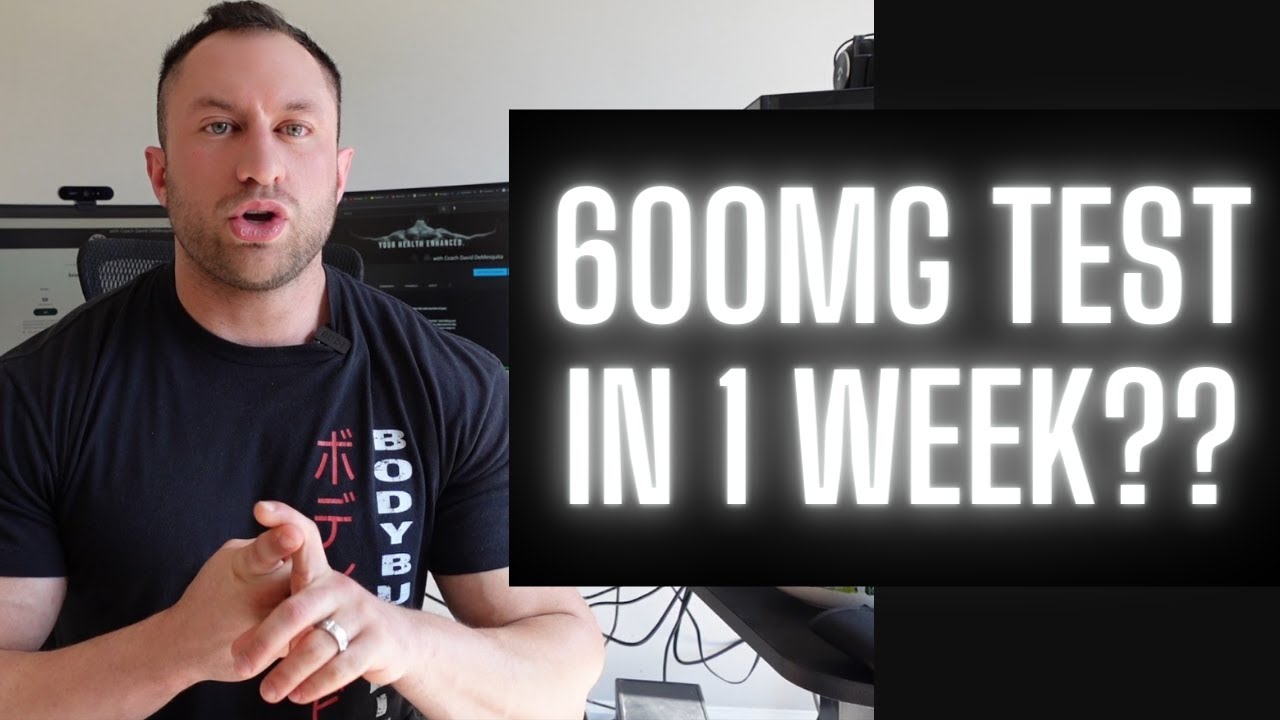
Testosterone is a crucial hormone in the human body, playing a vital role in developing muscle mass, strength, and overall well-being. For many bodybuilders and athletes, taking testosterone to enhance performance is commonplace, and one dosage often discussed is 600mg testosterone a week. In this article, we explore the potential benefits, risks, and considerations of using 600mg testosterone weekly.
What is 600mg Testosterone a Week?
600mg testosterone a week refers to the practice of injecting 600 milligrams of testosterone to boost hormone levels in the body. This dosage is typically used by bodybuilders and athletes to enhance muscle growth, improve strength, and accelerate recovery times. With numerous forms of testosterone like testosterone enanthate, cypionate, and propionate, users have a variety of choices when deciding their regimen.
Potential Benefits
The primary benefit of 600mg testosterone a week is significantly increased muscle mass and strength. Many users report quicker recovery times, allowing for more intense and frequent workouts. Additionally, testosterone can elevate mood, improve libido, and increase energy levels. For those serious about bodybuilding, this dosage could lead to remarkable physical transformations.
Risks and Side Effects
While there are benefits, the use of 600mg testosterone a week is not without risks. Possible side effects include:
- Hormonal Imbalances: High doses can lead to estrogenic effects like gynecomastia.
- Cardiovascular Problems: Increased risk of heart-related issues.
- Liver Damage: Extended use can affect liver function.
- Psychological Effects: Mood swings and aggression may occur.
- Dependency: Long-term use can lead to dependency or addiction.
Due to these potential risks, it’s crucial to consult with healthcare professionals before beginning any testosterone supplementation. For more detailed insights, you can refer to resources like SteroidPlanner and Steroid.com.
Legal and Ethical Considerations
The legality of using 600mg testosterone a week varies globally. In many countries, testosterone is classified as a controlled substance, making non-prescription usage illegal. Ethically, using performance-enhancing drugs (PEDs) raises questions about fairness in competitive sports.
Conclusion
Using 600mg testosterone a week can offer impressive benefits in muscle growth and performance enhancement, but it comes with significant risks and legal issues. Individuals considering this dosage should conduct comprehensive research and consult with healthcare providers to ensure safety and legality, while also exploring reliable suppliers like 24/7 Is Is for quality products.
FAQs
Is 600mg Testosterone a Week Safe?
While many use 600mg testosterone a week safely, the risks can be substantial. Consultation with a healthcare professional is vital before starting.
Can Women Take 600mg Testosterone a Week?
Generally, this is not recommended for women due to the risk of severe side effects and virilization.
How Long Does It Take to See Results?
Individuals often see results within weeks, but this varies based on factors like diet, exercise, and genetics.
Where Can I Buy Testosterone?
It’s essential to purchase testosterone from legitimate suppliers. Platforms like John Doe Bodybuilding provide guidance, but always verify the source.
What is the Best Form of Testosterone?
There are several forms, such as enanthate and cypionate. The best form depends on the individual’s goals and medical guidance.
For more resources, check reputable sites that offer comprehensive steroid information.
FREE SHIPPING
HOT PROMOTIONS!
BIG SALE | FAST SHIPPING



AUCTUS EQ EQUIPOISE BOLDENONE 200MG

Original price was: $ 139.00.$ 99.00Current price is: $ 99.00.



Hgh 100IU - Human Growth Hormone - Fierce Pharmaceuticals

Original price was: $ 299.00.$ 239.00Current price is: $ 239.00.



Hgh 200 iu - 2 FREE VIALS - Fierce Pharmaceuticals

Original price was: $ 500.00.$ 449.00Current price is: $ 449.00.
AXIOM TESTOSTERONE ENANTHATE 300MG 10ML

Original price was: $ 119.00.$ 99.00Current price is: $ 99.00.
Administering 600mg of testosterone weekly is considered a high dosage and is often associated with significant effects and risks. Typically, this dosage might be used by bodybuilders or athletes looking to enhance muscle mass, strength, and performance. While it can lead to noticeable gains, this level of testosterone can also result in adverse side effects. These may include mood swings, increased aggression, acne, hair loss, and potential heart or liver issues. It can also suppress natural testosterone production, leading to hormonal imbalances. Such use should be closely monitored by a healthcare professional to mitigate risks of long-term health problems.