
Androgens in Male Health: With Testosterone and Beyond

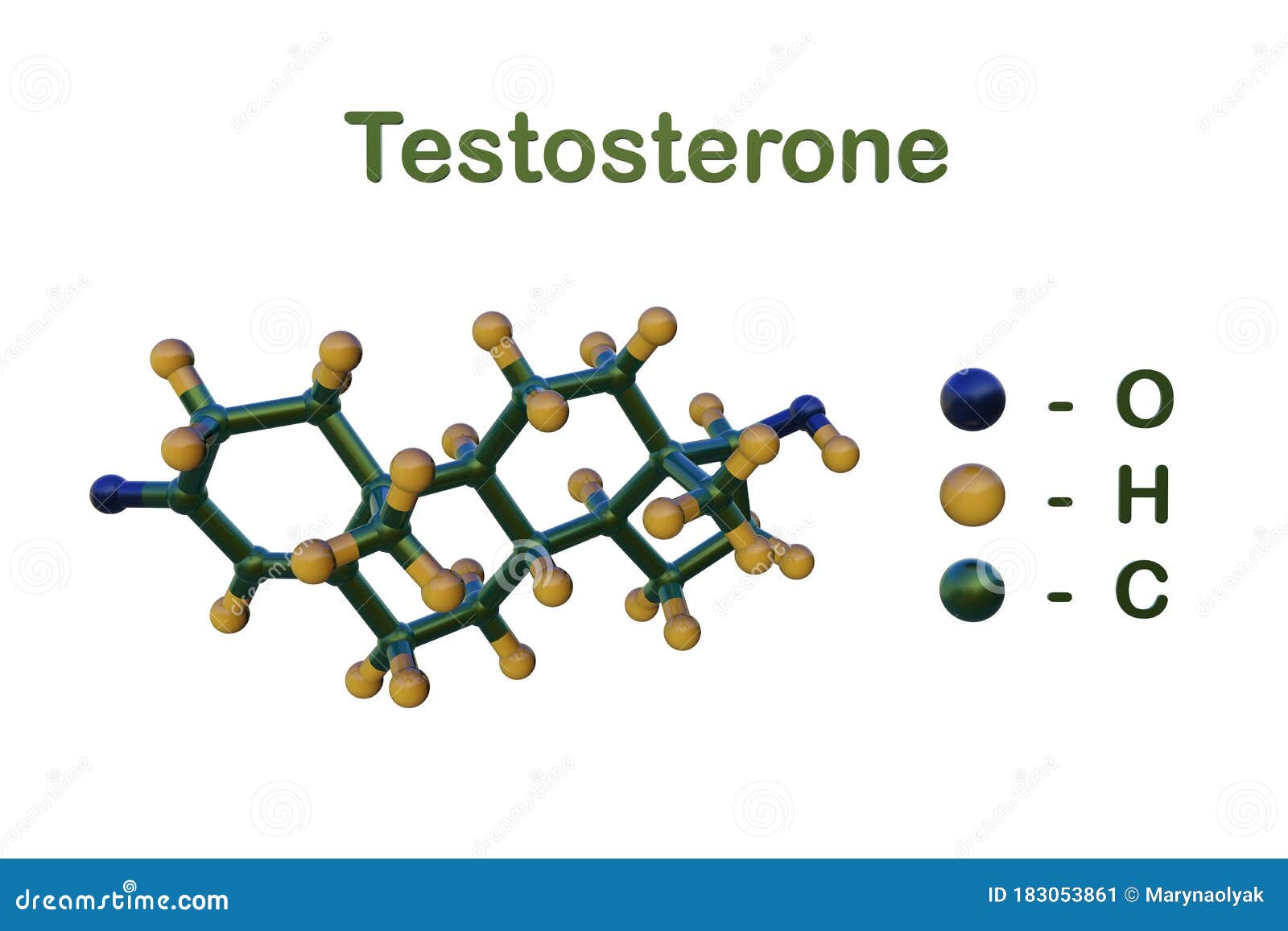
Androgens, often termed male hormones, play pivotal roles in male growth and reproductive functions. The term itself primarily refers to testosterone, though other hormones like dihydrotestosterone (DHT) and androstenedione also fall under this category. These hormones are present in both males and females but are significantly higher in males. Their vital functions range from regulating the development of male characteristics to influencing mood and energy levels.
Key Functions of Androgens in Males
Androgens in males are integral to the onset of puberty, marked by the development of characteristics such as deepening of the voice, growth of facial and body hair, and increased muscle mass. They are also critical for the production of sperm and the maintenance of libido and sexual function.
Beyond these developmental roles, these hormones contribute to physiological health by playing a part in bone density maintenance and red blood cell production. Insufficient levels can lead to various health concerns, including reduced vigor, osteoporosis, and decreased sexual desire.
Regulatory Mechanisms
The production and regulation of these hormones in males are primarily controlled by the hypothalamus and pituitary gland in a feedback loop. The hypothalamus releases gonadotropin-releasing hormone (GnRH), prompting the pituitary gland to secrete luteinizing hormone (LH) and follicle-stimulating hormone (FSH). These hormones stimulate the testes to produce androgens, mainly testosterone.
Health Implications
Adequate levels are crucial for health, while fluctuations can result in clinical issues. Low levels, known as hypogonadism, can be due to natural aging or underlying health problems, leading to effects like fatigue, mood changes, and sexual dysfunction. Conversely, excessive levels might predispose individuals to conditions such as acne or increased risk of certain cancers.
Treatment and Therapy
Some men may experience low levels requiring treatment. Testosterone replacement therapy (TRT) is a common treatment, designed to restore hormone levels and alleviate symptoms of deficiency. However, this therapy needs careful monitoring due to potential side effects like sleep apnea and increased cardiovascular risk.
BIG SALE | FAST SHIPPING
HOT PROMOTIONS!






Fierce nandrolone decanoate 300 / ml 10ml

Original price was: $ 131.00.$ 119.00Current price is: $ 119.00.


Conclusion
Androgens in males serve essential roles beyond mere physical characteristics. They are crucial for overall health, mood stability, and sexual function. Understanding their functions and maintaining balanced levels can significantly affect quality of life.
FAQs
What are the most common androgens in males?
The most common androgens in males include testosterone, dihydrotestosterone (DHT), and androstenedione.
How are androgens regulated in the body?
They are regulated through a feedback loop involving the hypothalamus, pituitary gland, and testes, influencing production and balance.
Can low levels impact mood and energy?
Yes, low levels can lead to mood swings, depression, fatigue, and decreased vigor, highly impacting everyday life.
External Resources:
By incorporating knowledge about these hormones, individuals can better grasp their impact on daily life and overall health, seeking medical advice when symptoms arise.
Androgens, primarily testosterone, are crucial steroid hormones in males responsible for various physiological and developmental roles. Produced predominantly in the testes, and minimally in the adrenal glands, these hormones play a pivotal role in male puberty, driving the development of primary and secondary sexual characteristics such as increased muscle mass, deepening voice, and growth of facial and body hair. They also influence reproductive functions by regulating libido and spermatogenesis and contribute to overall well-being by maintaining bone density, fat distribution, and red blood cell production. Beyond their physical effects, androgens are implicated in affecting mood and energy levels. However, the imbalance of androgen levels can lead to health issues, such as hypogonadism, or contribute to conditions like prostate enlargement or androgenic alopecia. Understanding androgens is essential for managing health throughout the male lifespan, and ongoing research continues to uncover their broader systemic effects.