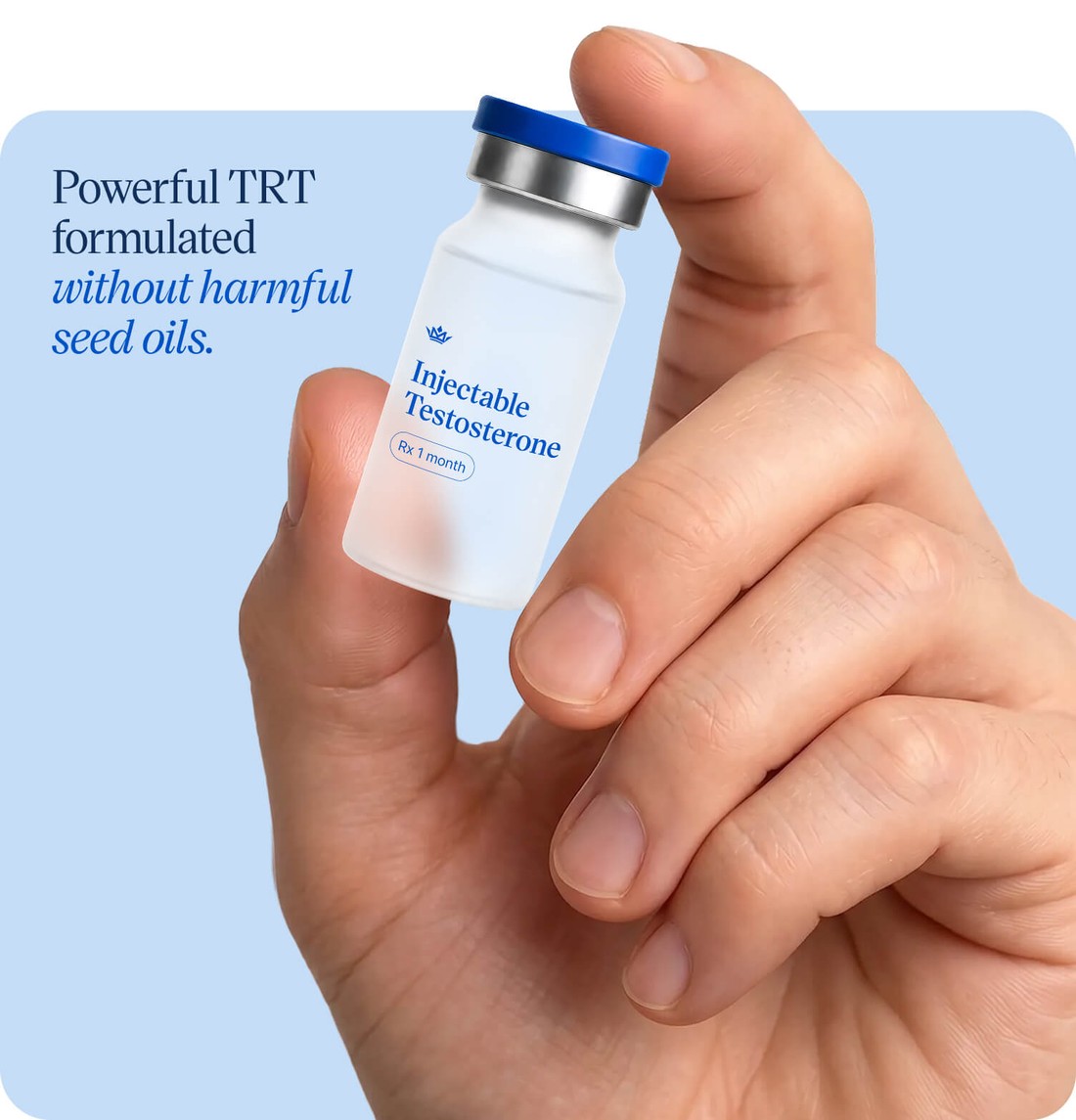

Does TRT affect life expectancy?
Introduction
Testosterone Replacement Therapy (TRT) has gained significant attention in recent years, particularly among aging men and those with hypogonadism. An important question many potential patients consider is, does TRT affect life expectancy? This article delves into the implications of TRT on overall health, longevity, and the quality of life.
Understanding TRT
TRT involves supplementing testosterone to enhance levels in individuals who suffer from low testosterone production. This therapy can be administered via injections, patches, gels, or pellets. While the primary aim of TRT is to alleviate symptoms such as fatigue, weight gain, and reduced libido, the long-term effects of this treatment on life expectancy deserve careful consideration.
Benefits of TRT
Several studies indicate that TRT can lead to numerous health benefits, including:
- Increased energy levels and improved mood
- Enhanced sexual function
- Improved muscle mass and strength
- Better cognitive function
- Decreased body fat
These benefits suggest that TRT can lead to an improved quality of life for those treated, but what about its effect on longevity?
Examining the Research
While there are positive anecdotal reports regarding TRT, the scientific community has conducted various studies to explore its effects on overall life expectancy. A 2020 study published in the Journal of Clinical Endocrinology & Metabolism analyzed over 80,000 men and indicated that those on TRT had a lower mortality rate compared to those who remained untreated. However, the researchers emphasized that further studies are necessary to draw definitive conclusions.
Heart Health and TRT
One of the main concerns regarding TRT is its potential impact on cardiovascular health. Some studies suggest that TRT can improve heart health markers, while others raise concerns about increased risks of heart attack and stroke. According to research published in the American Heart Association, TRT does not necessarily elevate the risk of serious cardiovascular events. Nonetheless, individuals with pre-existing cardiovascular conditions should approach TRT cautiously and consult a healthcare provider.
Metabolic Effects of TRT
TRT has been associated with improved metabolic health, including better insulin sensitivity and reduced obesity rates. Many studies indicate that higher testosterone levels may correlate with lower risks of diabetes and metabolic syndrome, which are critical factors for longevity. The connection between testosterone and these metabolic markers suggests that managing testosterone levels properly can have a beneficial impact on lifespan.
Potential Risks of TRT
Despite the potential benefits, TRT comes with risks that may affect life expectancy. Some individuals may experience:
- Sleep apnea
- Acne or skin reactions
- Polycysic ovary syndrome (if applicable)
- Changes in cholesterol levels
- Prostate growth and increased cancer risk
These factors can potentially lead to complications that may adversely affect overall health and longevity. It’s vital that patients undergo regular monitoring while on TRT to manage and mitigate these risks effectively.
Dosage and Monitoring
The dosage and monitoring of testosterone therapy are critical in determining its safety and efficacy. Regular blood tests should be performed to monitor testosterone levels, hematocrit (the percentage of red blood cells), and prostate-specific antigen (PSA) levels. This monitoring allows healthcare providers to adjust treatment as necessary to minimize risks.
FREE SHIPPING
CLICK HERE!
HOT PROMOTIONS!





CROWX 👑 SUSTAROW 300 MG/ 10 ML Vial SUSTANON

Original price was: $ 211.00.$ 119.00Current price is: $ 119.00.
Beligas SARMs ACP-105 ACP 10mg 50 tablets
Original price was: $ 132.00.$ 111.00Current price is: $ 111.00.


Does TRT Affect Life Expectancy? A Balanced Perspective
In summary, the question remains: does TRT affect life expectancy? Current research suggests that TRT may offer potential benefits that could enhance quality of life and possibly reduce mortality rates among men with low testosterone. However, it is essential to weigh these benefits against the potential risks associated with the therapy. Each individual’s health status, lifestyle, and pre-existing conditions will play a significant role in determining the overall impact of TRT on life expectancy.
Practical Advice for Individuals Considering TRT
If you are considering TRT, here are some practical steps to take:
- Consult a qualified healthcare provider for a thorough evaluation.
- Discuss the potential benefits and risks of TRT tailored to your specific health profile.
- Undergo baseline blood tests to assess testosterone levels and overall health.
- Schedule regular follow-up appointments to monitor your therapy’s effectiveness and any adverse effects.
- Maintain a healthy lifestyle, including a balanced diet and regular exercise, to maximize the benefits of TRT.
Conclusion
Testosterone Replacement Therapy can be a vital treatment option for individuals experiencing hypogonadism. While emerging research indicates potential improvements in quality of life and even aspects of longevity, it is essential to approach this therapy with caution. Regular medical oversight is crucial to minimize risks and maximize benefits. If you are considering TRT, engage in a comprehensive dialogue with your healthcare provider to ensure that you make informed decisions tailored to your unique health needs.
FAQ Section
1. What is TRT?
TRT, or Testosterone Replacement Therapy, is a treatment aimed at increasing testosterone levels in men who have low testosterone due to various medical conditions.
2. Can TRT improve my quality of life?
Yes, many individuals report increased energy, improved mood, enhanced sexual function, and better muscle mass after starting TRT.
3. Are there any age restrictions for TRT?
There are no strict age restrictions; however, TRT is often prescribed for men aged 30 and above, depending on individual health assessments.
4. Is TRT safe for everyone?
TRT is not suitable for everyone. Individuals with certain pre-existing conditions, particularly prostate or heart issues, should exercise caution and consult healthcare professionals.
5. How often should I be monitored while on TRT?
Patients on TRT should have regular follow-ups, typically every 3 to 6 months, to monitor testosterone levels and any potential side effects.