Who should avoid taking steroids?
Introduction
The use of steroids in sports and bodybuilding has garnered significant attention over the years. While some athletes seek these substances to enhance performance, it’s vital to understand the risks associated with steroid use. This article delineates who should avoid taking steroids, providing insights into the potential health implications and the populations particularly vulnerable to these substances.
The Allure of Steroids
Steroids, specifically anabolic steroids, are synthetic variations of the male hormone testosterone. They promise benefits such as increased muscle mass, faster recovery, and improved athletic performance. However, the side effects can be severe, leading many to ponder: who should avoid taking steroids?
Health Risks of Steroid Use
Before knowing who should steer clear of these substances, understanding the broad array of health risks is crucial. Steroid use can lead to various complications, including:
- Cardiovascular diseases, such as heart attacks and strokes.
- Hormonal imbalances leading to infertility and hormonal disorders.
- Psychological effects, including aggression and mood swings, often termed “roid rage.”
- Liver damage or cancer associated with prolonged use.
- Skin issues such as acne and infrequent hair loss.
With these potential dangers at the forefront, it becomes clear why certain individuals should avoid taking steroids altogether.
Who Should Avoid Taking Steroids?
Individuals who fall into specific categories are particularly advised against steroid use. These groups include:
1. Young Athletes
Teenagers and young adults may find the appeal of steroids tempting, especially in competitive sports environments. However, their bodies are still developing, and the introduction of synthetic hormones can disrupt growth and lead to lifelong health issues.
2. Those with Pre-existing Health Conditions
Individuals with underlying health problems, especially related to the heart, liver, or kidneys, should steer clear of steroids. The usage of these substances can exacerbate existing conditions, leading to severe complications.
3. Individuals with a History of Substance Abuse
Those who have struggled with addiction or substance abuse may also want to avoid steroids. The risk of developing a dependency on these substances can heighten, leading to a cycle of misuse and further addiction issues.
4. Women and Hormone Sensitivity
Women may experience more pronounced side effects from steroids due to hormonal differences. These can include deepened voices, increased body hair, and other masculinizing traits. Therefore, women should exercise caution and ideally avoid using steroids.
5. Athletes in Non-Competitive Environments
For individuals engaged in casual fitness or recreational sports, the pressure to perform often isn’t as intense. These individuals should also avoid steroids, as the benefits do not outweigh the risks in non-professional settings.
6. Adolescents
Adolescents’ psychological and emotional maturity can be affected by steroid use. They may experience heightened feelings of invincibility or reduced impulse control, leading to dangerous behaviors. As such, it’s recommended that they also steer clear of these substances.
Regulatory Perspective
In many countries, steroids are classified as controlled substances. This means that using them without a medical prescription is illegal. This regulatory framework underscores the potential dangers associated with non-medical steroid use, reinforcing the notion that certain populations should avoid becoming involved.
Alternatives to Steroid Use
For those looking to enhance athletic performance or muscle gain, there are safer alternative routes to consider. These options not only promote health but also offer sustainable results:
- Nutrition: A well-rounded diet can enhance performance and muscle growth, providing essential nutrients without the harmful side effects.
- Natural Supplements: Some supplements like creatine and protein powders can assist with muscle gain without the risks associated with steroids.
- Training Regimes: Tailored training programs focused on strength and endurance can yield significant improvements over time without the use of steroids.
- Rest and Recovery: Adequate rest is crucial for muscle recovery and growth. Listening to one’s body can often yield better results than seeking shortcuts.
The Importance of Consulting a Healthcare Provider
Ultimately, before considering steroid use in any capacity, talking to a healthcare professional is paramount. They can provide valuable insights tailored to each individual’s health history and lifestyle, ensuring informed decisions.
FREE SHIPPING
HOT PROMOTIONS!
BIG SALE | FAST SHIPPING
DrostaPlex 200 XT Labs Drostanolone Enanthate
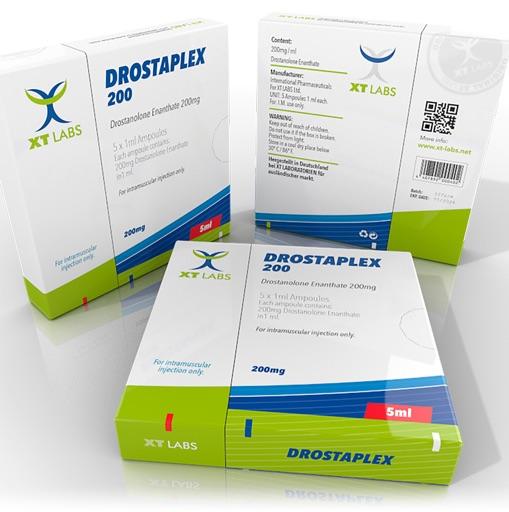
Original price was: $ 199.00.$ 109.00Current price is: $ 109.00.

SUSTANON 350 AUCTUS 350MG 10ML

Original price was: $ 119.00.$ 101.00Current price is: $ 101.00.

OFFER: STADA ANAVAR 10MG 80 TABLETS

Original price was: $ 99.00.$ 82.00Current price is: $ 82.00.
ANAVAR | ZPHC ANAVAR 5 MG SPECTRUMPHARM 100Tab

Original price was: $ 199.00.$ 139.00Current price is: $ 139.00.
Conclusion
The question of who should avoid taking steroids is nuanced but crucial. Vulnerable populations such as adolescents, young athletes, women, and those with health issues or histories of substance abuse are particularly at risk. With the numerous health hazards and legal ramifications associated with steroid use, many viable alternatives can promote physical enhancement safely. Emphasizing a holistic approach to health and fitness is key to achieving long-term results without resorting to substances that could undermine well-being.
FAQ
1. What are the side effects of steroids?
Common side effects include cardiovascular issues, hormonal imbalances, liver problems, and psychological changes like aggression.
2. Why are steroids illegal without a prescription?
Steroids are classified as controlled substances due to their potential for misuse and severe health risks associated with non-medical use.
3. Can steroids cause addiction?
Yes, steroids can lead to dependency and addiction, especially in individuals with a history of substance abuse.
4. Are there safe alternatives to steroids?
Nutrition, natural supplements, targeted training programs, and proper rest can enhance performance and muscle gain without the risks of steroids.
5. Why should young athletes avoid steroids?
The bodies of young athletes are still developing, and steroid use can lead to permanent growth and health issues.
6. How can I talk to my doctor about steroids?
Be open and honest about your goals and concerns related to performance enhancement. Your healthcare provider can guide you through your options.