
Eating Right: Dietary Guidelines for Those on Steroid Medication
TABLE OF CONTENTS

Embarking on a steroid-enhanced journey for bodybuilding or fitness goals can be daunting without the right nutritional guidelines. While anabolic steroids can help enhance muscle growth and strength, it is crucial to maintain a well-structured and disciplined diet plan. This article delves into strategies to optimize your diet when on steroids, ensuring you maximize gains while minimizing potential side effects.
Why Diet Matters on Steroids
Beneath the muscular physiques often associated with steroid use lies the critical role of diet. Steroids increase protein synthesis in the body, meaning they require an adequate intake of macronutrients, especially proteins, to support muscle growth. Without the right nutritional foundation, the effectiveness of steroids can be significantly diminished, and the risk of adverse effects heightened.
Key Dietary Considerations
While considering a diet when on steroids, attention to detail is imperative. Here are some fundamental dietary principles to follow:
- Protein Intake: Aim for at least 1.5 to 2 grams of protein per kilogram of body weight. 🥚 Lean meats, eggs, fish, and plant-based sources like lentils are excellent options.
- Carbohydrates: Choose complex carbohydrates like whole grains, brown rice, and sweet potatoes to fuel intense workouts and recovery.
- Fats: Focus on healthy fats such as nuts, avocados, and olive oil to support overall health and hormone production.
- Hydration: Staying hydrated aids in nutrient absorption and facilitates metabolic processes. Aim for at least 3 liters of water daily. 💧
- Micronutrients: Ensuring adequate intake of vitamins and minerals like calcium, vitamin D, and magnesium is crucial as steroids can deplete these vital nutrients.
Monitoring and Adjustments
The diet when on steroids may require regular monitoring and adjustments based on various factors like changes in body composition, energy levels, and overall health. Regular consultation with a nutritionist or dietitian can provide personalized guidance and adjustments to your dietary regimen. 🚀
Conclusion
Optimizing your diet when on steroids involves careful planning and an individualized approach. Incorporating sufficient proteins, carbohydrates, healthy fats, and essential micronutrients ensures you leverage the effects of steroids effectively and safely. Alongside medical guidance, a well-structured nutritional plan can streamline your journey towards achieving your bodybuilding or fitness goals.
Frequently Asked Questions (FAQs)
- Q1: Can I consume alcohol while on steroids?
A: It’s advisable to limit alcohol consumption, as it can interfere with liver function, which steroids might affect.
- Q1: Can I consume alcohol while on steroids?
- Q2: How crucial is timing in my diet?
A: Timing, such as post-workout nutrition, is vital to replenish glycogen and support recovery.
- Q2: How crucial is timing in my diet?
- Q3: Should I take supplements alongside my diet?
A: Supplements like whey protein can complement a balanced diet, but it’s best to consult a healthcare professional first.
- Q3: Should I take supplements alongside my diet?
For the dedicated fitness enthusiasts using anabolic steroids, getting your diet right can make all the difference. Stay informed, stay healthy, and maximize your potential.
FREE SHIPPING
HOT PROMOTIONS!
BIG SALE | FAST SHIPPING
TRENBOLONE ACETATE 100MG 10ML AUCTUS
Original price was: $ 120.00.$ 109.00Current price is: $ 109.00.
CROWX 👑 CIAROW 25 MG / 50 Tabs (Sildenafil)
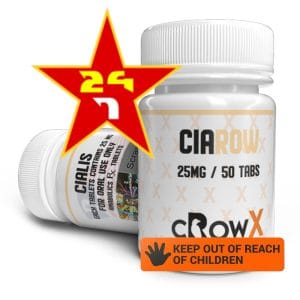
Original price was: $ 109.00.$ 99.00Current price is: $ 99.00.
SUSTANON 350 AUCTUS 350MG 10ML
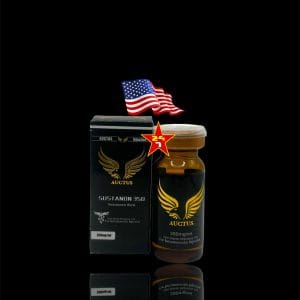
Original price was: $ 109.00.$ 99.00Current price is: $ 99.00.
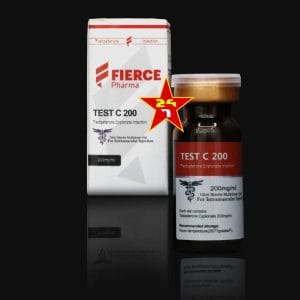
Fierce testosterone cypionate 250mg / ml 10ml

Original price was: $ 90.00.$ 79.00Current price is: $ 79.00.
TREN ENANTHATE 200MG 10ML AXIOM
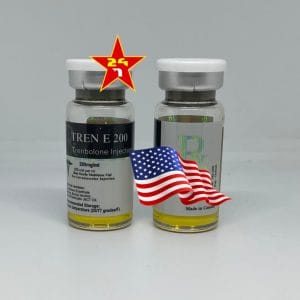
Original price was: $ 130.00.$ 124.00Current price is: $ 124.00.

#BB #Bodybuilding #Gym #Training #Fitness #Anabolicsteroids #steroids #supplements #anavar #sustanon #legitpharmacies #steroidcycles #247steroids
When on steroids, especially corticosteroids, managing your diet is crucial to mitigate side effects and maintain overall health. Steroids can cause increased appetite and weight gain, along with potential fluid retention and elevated blood sugar levels. To counter these effects, it is advisable to adopt a diet rich in lean proteins, whole grains, fruits, and vegetables while limiting the intake of sugars, fats, and salt. Emphasizing protein can help preserve muscle mass, while fiber-rich foods can aid in digestion and improve satiety, helping control cravings and weight. Staying well-hydrated is also important to help manage fluid retention. Monitoring carbohydrate intake is essential for controlling blood sugar levels. Engaging with a healthcare professional or a nutritionist can offer personalized dietary suggestions that complement the specifics of one’s steroid regimen, aiding in maintaining health and well-being during treatment.