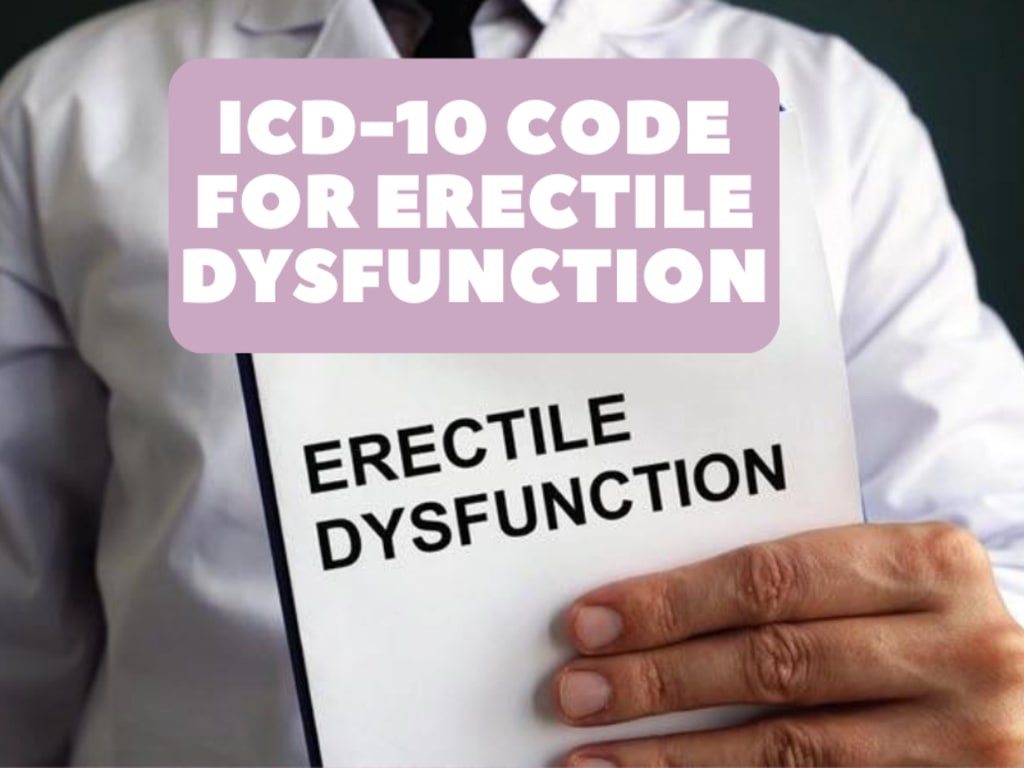
Erectile Dysfunction: A Complete Lead to ICD-10 Coding
Erectile dysfunction (ED), often referred to as impotence, is a common condition that affects a man’s ability to achieve or maintain an erection suitable for sexual activity. Given its prevalence and impact on quality of life, proper diagnosis and coding are crucial for effective treatment and insurance purposes. This is where the ICD 10 coding system plays a vital role.
The Importance of ICD 10 Coding
ICD 10, or International Classification of Diseases, 10th Edition, is a vast system used globally for diagnosing and classifying diseases. This system allows healthcare providers and insurance companies to communicate effectively about the diagnosis, track epidemiological trends, and manage billing efficiently.
Specifics of Erectile Dysfunction ICD 10 Code
The ICD 10 code designated for erectile dysfunction is N52.9. This code helps in identifying the condition as well as in differentiating among diverse types of sexual dysfunctions. N52.9 signifies that the erectile dysfunction is not otherwise specified, which serves a crucial purpose in cases where the exact cause of ED is not determined.
The erectile dysfunction ICD 10 code plays a significant role in not only diagnosis but also in the insurance claims process. Healthcare providers use this code to substantiate the need for specific treatments or interventions, ensuring that patients receive the appropriate care without financial constraints.
Impact on Treatment and Insurance
An accurate erectile dysfunction ICD 10 coding is fundamental for the patient’s treatment journey. It facilitates a clear pathway through which healthcare providers can plan treatment strategies tailored to the needs of the patient. Additionally, it ensures that insurance providers are informed of the specific diagnosis, which aids in the approval of necessary therapies or medications.
Data Collection and Research
Beyond individual diagnosis and treatment, the erectile dysfunction ICD 10 code contributes to a larger dataset that helps researchers and public health officials track the prevalence and management of ED. Internationally, this data can inform public health decisions and resource allocation, thus influencing future medical guidelines and patient care strategies.
Conclusion
In summary, erectile dysfunction is a critical condition requiring precise diagnosis and management. The erectile dysfunction ICD 10 code, N52.9, plays an indispensable role in this process. It ensures clear communication across the healthcare system, facilitates effective treatment and insurance procedures, and contributes to broader public health research. Understanding and utilizing this coding effectively can significantly enhance patient outcomes and streamline administrative processes
BIG SALE | FAST SHIPPING
HOT PROMOTIONS!



CLOMID 50MG FIERCE 50 TABLETS

Original price was: $ 131.00.$ 121.00Current price is: $ 121.00.
FIERCE CLOMID 50MG 50CAPS
Original price was: $ 131.00.$ 121.00Current price is: $ 121.00.
ZPHC UltraMix 10ml MultiUse Vial 1ml = 250mg

Original price was: $ 257.00.$ 181.00Current price is: $ 181.00.

FAQs on Erectile Dysfunction ICD 10
- What is the ICD 10 code for erectile dysfunction?
N52.9 is the ICD 10 code used for erectile dysfunction when the condition is not otherwise specified.
- What is the ICD 10 code for erectile dysfunction?
- Why is the erectile dysfunction ICD 10 code important?
It standardizes the diagnosis across healthcare providers, facilitates communication with insurance providers, and supports consistent treatment strategies.
- Why is the erectile dysfunction ICD 10 code important?
- How does the ICD 10 code for erectile dysfunction help in research?
It contributes to data collection that helps in tracking disease prevalence, improving treatment guidelines, and guiding public health decisions.
- How does the ICD 10 code for erectile dysfunction help in research?
- Can the erectile dysfunction ICD 10 code affect insurance claims?
Yes, accurate coding is critical for substantiating claims and ensuring that necessary treatments are covered by insurance providers.
- Can the erectile dysfunction ICD 10 code affect insurance claims?
Erectile dysfunction (ED) is clinically classified under the ICD-10 code N52, which encompasses disorders of the male genital organs and, specifically, erectile dysfunction. This condition is characterized by the consistent inability to attain or maintain an erection sufficient for satisfactory sexual performance, affecting men’s physical and psychological well-being. The etiology of ED is multifactorial, with potential causes ranging from physiological issues such as cardiovascular disease, diabetes, and hormonal imbalances to psychological factors like stress, anxiety, or depression. Healthcare providers use this ICD-10 code to facilitate the diagnosis, management, and treatment of ED, ensuring a standardized approach in documenting this condition across healthcare systems. Treatment typically involves addressing the underlying health issues, lifestyle modifications, therapy, and medications like phosphodiesterase type 5 inhibitors, depending on the individual’s specific circumstances and health profile.