Unpacking Flibanserin: All to Know About the ‘Female Viagra’
Flibanserin is an intriguing medication developed to address certain issues related to female sexual interest/arousal disorder (FSIAD). Originally researched as an antidepressant, its unique side effects led scientists to explore its potential for treating sexual dysfunction in premenopausal women. Over the years, it has sparked conversations and debates in the medical community, drawing attention to the complex nature of female sexual health.
The Development and Approval of Flibanserin
Initial studies on Flibanserin focused on its ability to act on serotonin and dopamine receptors in the brain. While it showed moderate results as an antidepressant, unexpected findings suggested an influence on sexual desire. As a result, researchers shifted their focus to its effects on libido, ultimately leading to multiple clinical trials. In 2015, the FDA approved its use, branding it as the first drug specifically targeting female sexual interest and arousal disorders. This approval opened a new chapter in women’s sexual health, offering an option for those experiencing hypoactive sexual desire disorder (HSDD).
Mechanism of Action
Flibanserin operates by modulating neurotransmitters in the brain. Its primary action involves the agonism of serotonin receptors (5-HT1A) and antagonism of 5-HT2A receptors, as well as interaction with dopamine receptors. This intricate mechanism is believed to restore a balance of neurotransmitters, which may enhance sexual desire in some women. Despite its potential, the exact workings of this medication remain a complex topic of study, necessitating ongoing research.
Potential Side Effects and Considerations
Like any medication, Flibanserin can cause side effects, which vary in severity. Common reactions include dizziness, fatigue, nausea, and difficulties with sleep. Importantly, the drug’s interaction with alcohol is a significant concern, as it can exacerbate certain side effects, leading to severe complications. Consequently, users are advised to avoid alcohol entirely while on this medication. Healthcare professionals must carefully assess the risks and benefits before prescribing it, ensuring that it aligns with the patient’s health needs and lifestyle.
Conclusion
Although Flibanserin is a groundbreaking step in addressing female sexual dysfunction, it is not without its controversies and limitations. Its introduction has enriched discussions on women’s health, highlighting the need for more research and understanding of female sexual desire and its disorders. With continued exploration and refinement, such treatments could significantly enhance the quality of life for those struggling with FSIAD.
FAQs
What is Flibanserin primarily used for?
It is used primarily to treat premenopausal women with hypoactive sexual desire disorder (HSDD).
Can men use Flibanserin?
No, it is specifically approved for use in premenopausal women with HSDD.
Is it safe to consume alcohol while taking Flibanserin?
No, consuming alcohol while on this medication can lead to severe side effects and is strongly advised against.
Are there any alternatives to Flibanserin for treating HSDD?
Currently, there are limited options, but ongoing research aims to expand treatment possibilities.
BIG SALE | FAST SHIPPING
HOT PROMOTIONS!


ZPHC UltraMix 1ml amps x 10 amps - 1ml = 250mg
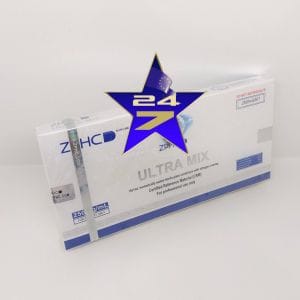
Original price was: $ 261.00.$ 181.00Current price is: $ 181.00.



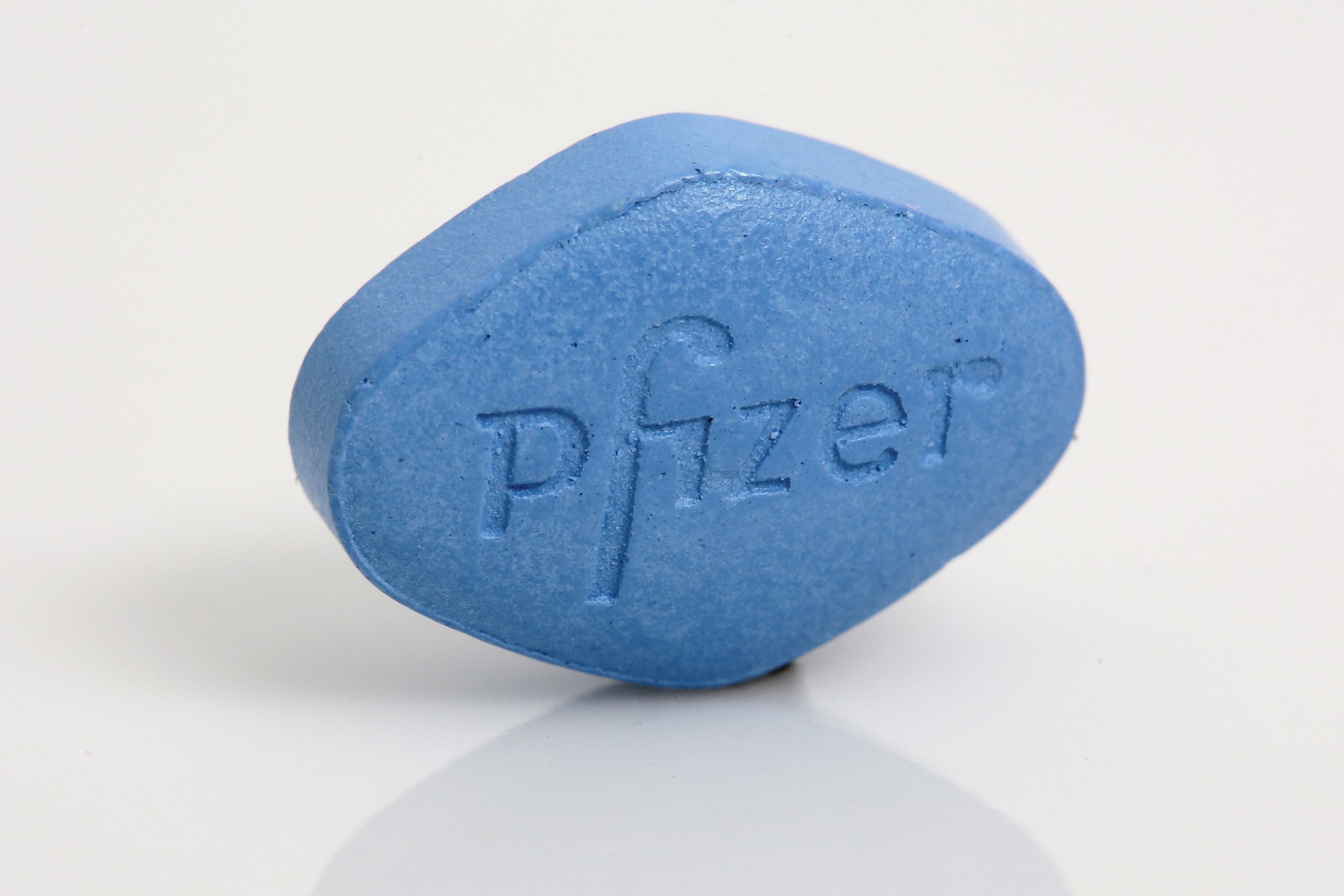
Flibanserin is a medication primarily prescribed for premenopausal women struggling with hypoactive sexual desire disorder (HSDD). Originally investigated as an antidepressant, its potential for boosting sexual desire was discovered during clinical trials, leading to its approval by the U.S. Food and Drug Administration (FDA) in 2015. Unlike the well-known male counterpart sildenafil (Viagra), which targets blood flow, flibanserin works by affecting neurotransmitter levels in the brain, specifically increasing dopamine and norepinephrine while reducing serotonin. The medication must be taken daily and may take several weeks for effects to be noticeable. However, its use has been met with mixed reviews due to modest efficacy and potential side effects such as dizziness, fatigue, and hypotension, bringing into question the risk-benefit balance. Despite these concerns, flibanserin represents a pioneering step in addressing female sexual health pharmacologically.