Is 1000 testosterone natural?
Introduction
Testosterone has long been recognized as the primary male sex hormone, playing a crucial role in various bodily functions, including muscle mass, energy levels, and libido. However, the question, Is 1000 testosterone natural?, often arises in discussions about testosterone levels. This level generally refers to the total testosterone measured in nanograms per deciliter (ng/dL). While ranges can vary markedly based on several factors, understanding what constitutes a “natural” testosterone level is essential for men seeking to maintain optimal health.
Understanding Testosterone Levels
Testosterone levels can differ based on age, sex, and overall health. In adult men, the normal range is typically between 300 and 1000 ng/dL. However, what’s considered “normal” can fluctuate based on testing methods, individual variability, and laboratory standards. Several factors can influence these levels:
- Age: Testosterone levels peak during late adolescence and early adulthood and gradually decline with age.
- Health Conditions: Conditions such as obesity, diabetes, and certain hormonal disorders can impact testosterone production.
- Medication: Certain medications can either increase or decrease testosterone levels.
- Lifestyle Factors: Diet, exercise, sleep quality, and stress levels are crucial in maintaining healthy testosterone levels.
Natural vs. Synthetic Testosterone
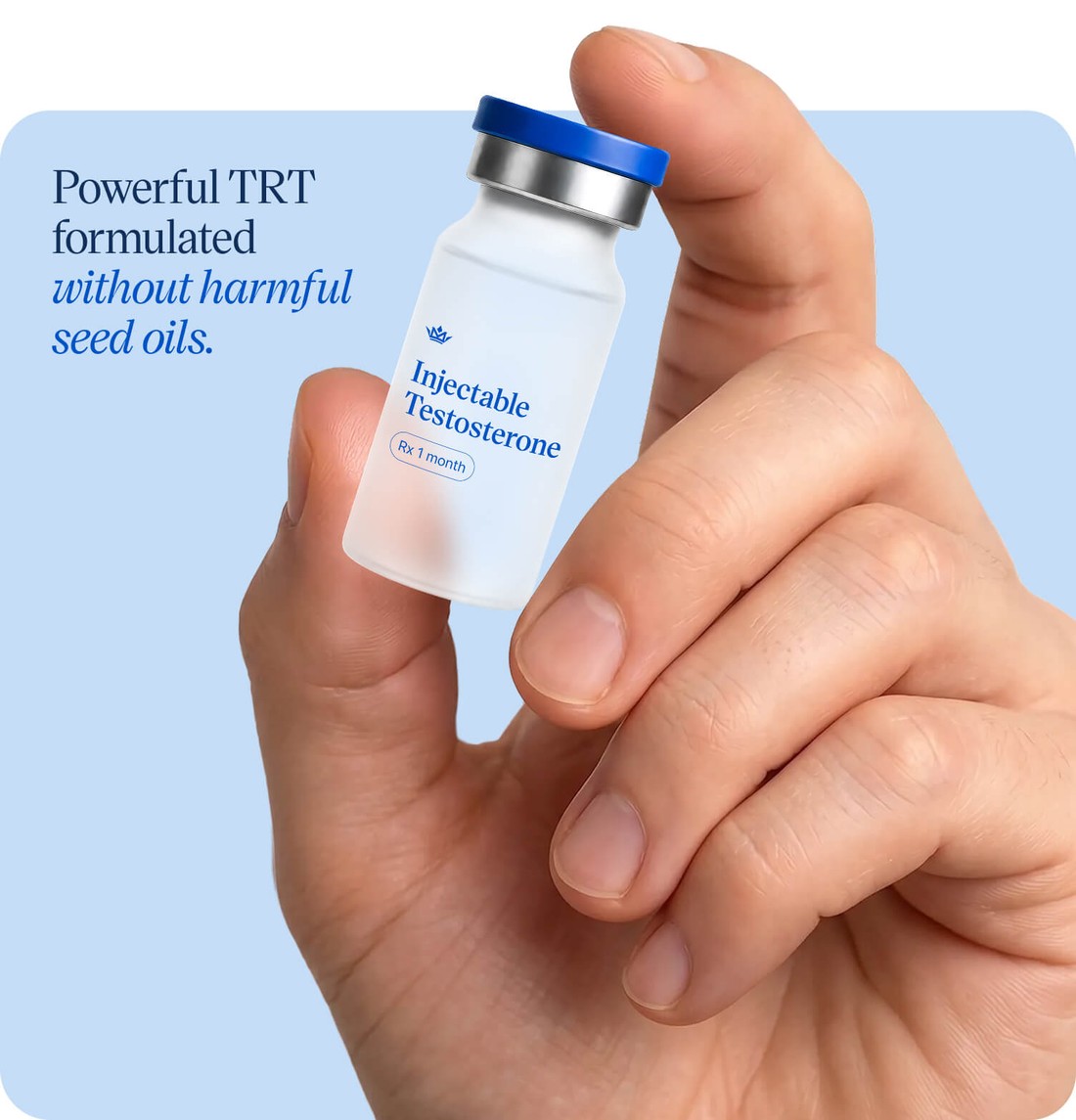
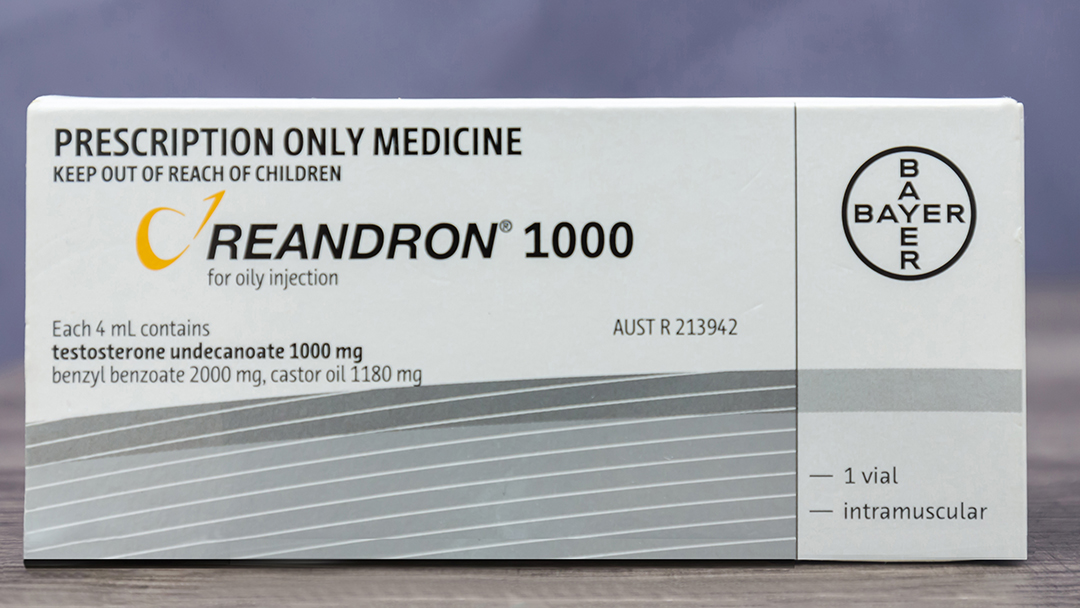
When discussing whether 1000 testosterone is natural, it’s important to differentiate between natural and synthetic testosterone. Natural testosterone is produced by the body, while synthetic testosterone refers to hormone treatments administered through injections or topical applications. Synthetic testosterone can help restore hormonal balance in those with deficiencies but should only be used under medical supervision due to potential side effects.
What Contributes to “Natural” Testosterone Levels?
Several lifestyle and biological factors contribute to maintaining natural testosterone levels. Understanding these can help individuals make informed choices about their health:
Diet and Nutrition
A well-balanced diet rich in essential nutrients can enhance testosterone production. Key components for supporting testosterone levels include:
- Healthy Fats: Monounsaturated and saturated fats found in foods like avocados, nuts, and olive oil.
- Zinc and Vitamin D: Minerals and vitamins critical for testosterone production, found in dairy products, fish, and fortified foods.
- Protein: Adequate protein intake can help maintain muscle mass, indirectly supporting testosterone levels.
Exercise
Regular physical activity is considered one of the most effective ways to maintain or boost testosterone levels. Resistance training—particularly weight lifting—has been shown to have a beneficial impact. Additionally, high-intensity interval training (HIIT) can also lead to short-term spikes in testosterone levels.
Sufficient Sleep
Quality sleep is vital for overall health and is closely linked to hormonal balance. Men who consistently sleep less than 7 hours per night may experience lower testosterone levels. Sleep enhances the body’s ability to produce hormones, including testosterone.
Stress Management
Chronic stress results in elevated levels of cortisol, a hormone that can negatively affect testosterone production. Implementing effective stress management techniques, such as mindfulness, yoga, or meditation, can help maintain healthy testosterone levels.
FREE SHIPPING
HOT PROMOTIONS!
BIG SALE | FAST SHIPPING


CROWX 👑 ViaRow 50 tab | Viagra 100mg | Sildenafil
Original price was: $ 171.00.$ 111.00Current price is: $ 111.00.

Beligas RETHO CIALIS 25mg 50 tablets
Original price was: $ 106.00.$ 79.00Current price is: $ 79.00.
Assessing Testosterone Levels
To determine if an individual has a testosterone level of 1000 ng/dL or higher, a blood test is usually administered. This test measures total testosterone, and in some cases, free testosterone—the fraction of testosterone that is not bound to proteins in the blood and is, therefore, biologically active.
Understanding these measurements can offer insight into whether a testosterone level is natural. It is also advisable to have multiple tests conducted over time to account for fluctuations due to factors like health changes or stress.
Consulting Healthcare Professionals
If you’re asking yourself, Is 1000 testosterone natural?, it’s crucial to consult with a healthcare professional. They can provide insights into your individual circumstances, conduct the necessary tests, and offer tailored advice based on your health history and lifestyle.
Conclusion
In summary, while a testosterone level of 1000 ng/dL can be classified as natural in some contexts, it is essential to consider the broader picture of one’s overall health and lifestyle. Factors like age, diet, exercise, sleep, and stress all play significant roles in hormone levels. Always seek professional guidance and undergo comprehensive testing for an accurate evaluation to maintain optimal health.
Frequently Asked Questions (FAQ)
1. What is considered a normal testosterone level for men?
For adult men, normal testosterone levels range from approximately 300 to 1000 ng/dL, but this can vary based on age and individual health conditions.
2. Can lifestyle changes impact testosterone levels?
Yes, factors such as diet, exercise, sleep, and stress management can significantly influence testosterone production and overall hormonal balance.
3. What are the symptoms of low testosterone?
Common symptoms of low testosterone include fatigue, decreased libido, mood changes, and loss of muscle mass.
4. Is testosterone therapy safe?
Testosterone therapy can be beneficial for individuals with clinically low testosterone levels but must be administered under medical supervision due to potential risks and side effects.
5. How often should testosterone levels be checked?
It’s advisable to have testosterone levels checked every couple of years or if you experience symptoms of low testosterone, as levels can fluctuate over time.
6. Are there any natural supplements to boost testosterone?
Some supplements, such as D-aspartic acid, zinc, and vitamin D, have been associated with increased testosterone levels. However, it’s essential to consult with a healthcare provider before starting any supplementation.
For more in-depth insights, you can refer to resources from the Mayo Clinic and the National Institutes of Health.