
How long does testosterone stay in your system?

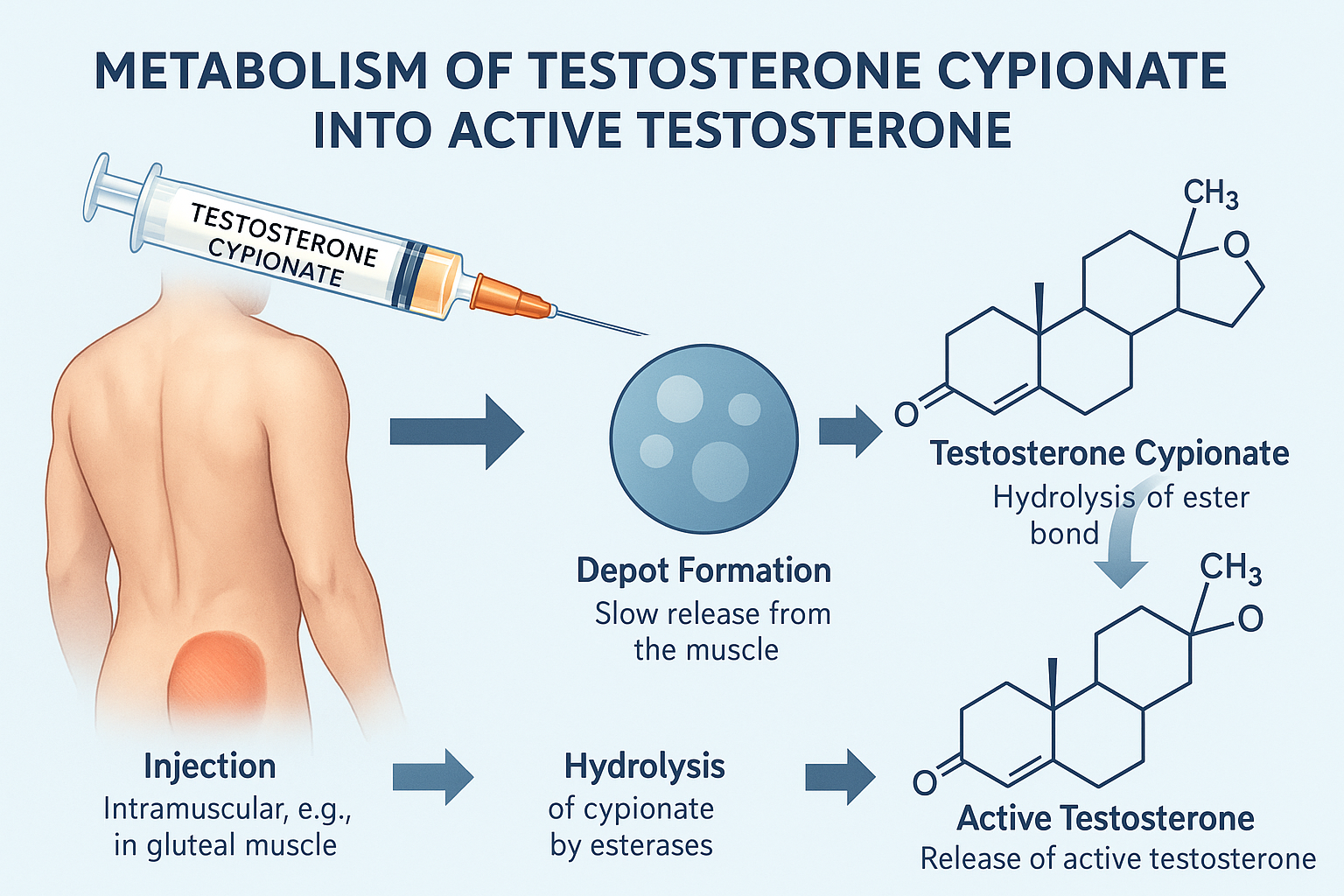
Testosterone cypionate is one of the longest-lasting and most commonly prescribed testosterone esters in the U.S. Its structure gives it a half-life of about 7 to 8 days, which means it takes roughly five half-lives, or around 35 to 40 days, for the medication to fully clear from the body.
When injected intramuscularly, cypionate forms a slow-release depot in the muscle tissue, where it is gradually absorbed into the bloodstream. Most patients begin to notice effects within two to three days, with levels peaking shortly after and then tapering until the next dose.

Is 800 testosterone good?

Testosterone, known as the male sex hormone, is vital for many bodily functions, impacting muscle, bone density, mood, and energy. Generally, a level of 800 ng/dL is considered normal, but its significance can vary based on factors like age and health. Regular testing is essential for hormonal health.

Is 1500 testosterone dangerous?

Testosterone is crucial for many bodily functions, but is a level of 1500 ng/dL dangerous? Normal levels range from 300-1,000 ng/dL for men and 15-70 ng/dL for women. Elevated testosterone can lead to health issues like cardiovascular problems, emotional changes, and prostate issues.

Is 1000 testosterone natural?

Testosterone is the main male sex hormone, essential for bodily functions like muscle mass and libido. A testosterone level of 1000 ng/dL can be seen as natural, depending on various factors such as age, health, and lifestyle. Understanding these influences is crucial for maintaining health.

Free Testosterone Levels by Age: What You Need to Know

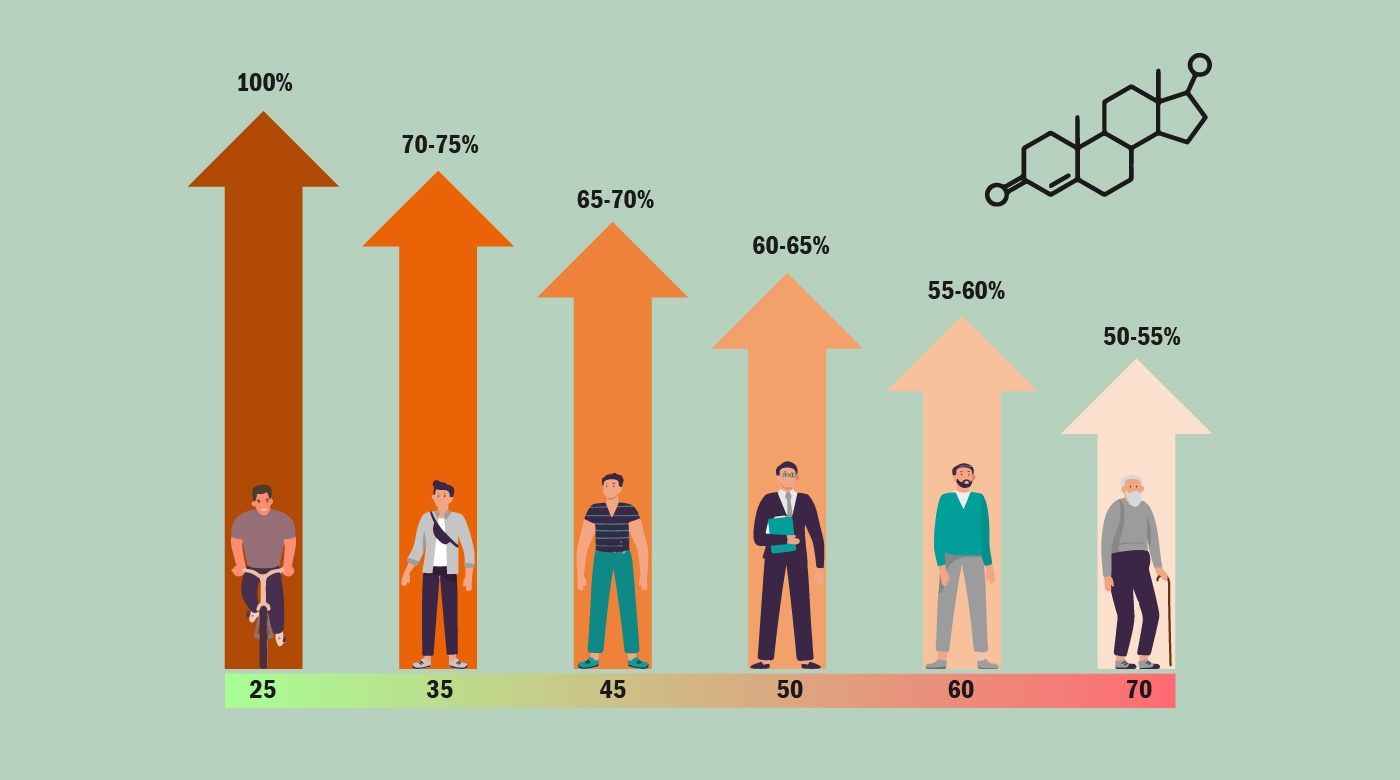
Free testosterone refers to the portion of testosterone that is not bound to proteins and is readily available for the body’s tissues, playing a crucial role in various physiological processes. As individuals age, free testosterone levels naturally decline, with peak levels typically occurring in late adolescence or early adulthood. In men, free testosterone levels reach their maximum in their late teens to early 20s and may start to gradually decline by about 1% to 2% per year around the age of 30 to 40. This decrease can contribute to age-related changes such as reduced muscle mass and decreased energy levels.

What 400 mg of Testosterone Per Week Does to Your Body

Administering 400 mg of testosterone weekly is popular for enhancing performance, especially in bodybuilding. This dosage usually leads to notable gains in muscle mass, strength, and energy, with reported boosts in recovery and libido. Nonetheless, risks like aggression, mood swings, and cardiovascular issues exist, emphasizing the need for healthcare supervision to manage side effects and maintain safe hormone levels. Individual responses vary, necessitating personalized dosage adjustments.

Testosterone Levels: How Age Affects Your Hormones

Understanding Testosterone Levels: How Age Affects Your Hormones   Testosterone is often referred to as the “male hormone,” but it plays a vital role in both men and women. It is responsible for a range of functions, including muscle development, bone density, fat distribution, mood regulation, and sex drive. However, levels of testosterone naturally fluctuateRead More

Unlocking the Secrets of Testosterone: Why Testing Matters

In the realm of health and wellness, testosterone often takes center stage, especially when discussing male vitality, physical performance, and general well-being. However, testosterone is not just a male hormone; it plays critical roles in both genders, influencing mood, energy levels, muscle mass, and even cognitive function. As such, understanding testosterone levels is vital forRead More

Left Menu Icon
Your Cart