Sildenafil: Unraveling the Science Behind the Popular Erectile Dysfunction Treatment
Sildenafil, commonly known by its brand name Viagra, is a medication widely known for treating erectile dysfunction (ED) in men. It has also been used for treating pulmonary arterial hypertension (PAH). Since its approval in the 1990s, sildenafil has gained a significant place in both clinical practice and popular culture. This article seeks to provide a thorough understanding of sildenafil, its uses, mechanisms, benefits, potential side effects, and a conclusion summarizing its importance in modern medicine.
What is Sildenafil?
Sildenafil is a phosphodiesterase type 5 (PDE5) inhibitor, which means it works by blocking the enzyme PDE5. This enzyme is responsible for the breakdown of cyclic guanosine monophosphate (cGMP), a chemical that helps relax blood vessels. By inhibiting PDE5, sildenafil increases levels of cGMP, leading to improved blood flow, particularly in the penis, thereby facilitating an erection when sexually stimulated.
Uses of Sildenafil
Erectile Dysfunction (ED)
The primary use of sildenafil is for the treatment of erectile dysfunction. ED is a condition that affects millions of men worldwide, often leading to emotional and psychological distress. Sildenafil allows men to achieve and maintain an erection sufficient for sexual intercourse, dramatically improving their quality of life and relationships. Medical studies have shown sildenafil to be effective in up to 80% of men with ED, making it one of the most prescribed treatments.
Pulmonary Arterial Hypertension (PAH)
In addition to treating erectile dysfunction, sildenafil is prescribed for pulmonary arterial hypertension, a condition characterized by high blood pressure in the blood vessels supplying the lungs. By dilating the blood vessels in the lungs, sildenafil helps to lower blood pressure in these vessels and can improve exercise capacity in patients with PAH.
How to Use Sildenafil
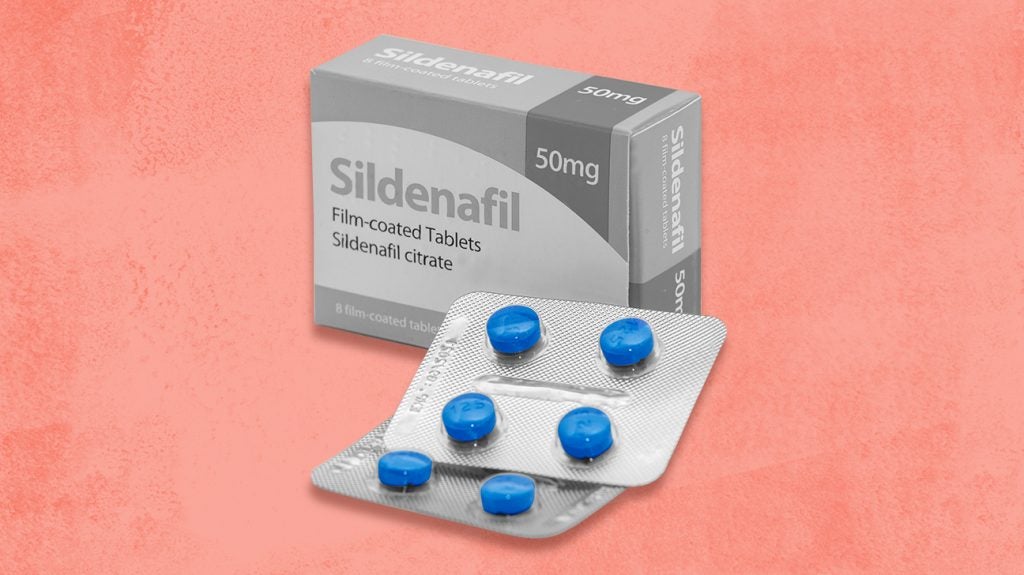
Sildenafil is typically available in tablet form and is advised to be taken approximately 30 minutes to 1 hour before sexual activity. It can be taken with or without food; however, a large, fatty meal may delay its effectiveness. The duration of action can last up to 4-5 hours, although individual responses may vary.
Mechanism of Action
Understanding the mechanism of action is essential in grasping how sildenafil functions. Once an individual is sexually stimulated, nitric oxide (NO) is released in the erectile tissue of the penis. NO stimulates the production of cGMP, which relaxes smooth muscle and allows blood to flow into the penis, resulting in an erection. By blocking the action of PDE5, sildenafil ensures that cGMP remains in effect longer, enhancing the erectile response.
Benefits of Sildenafil
Effectiveness
Sildenafil has been proven effective in a variety of studies, earning the trust of healthcare professionals and patients alike. Its success rate makes it a first-line treatment for erectile dysfunction and an option for many suffering from PAH.
Longevity of Treatment
For most patients, sildenafil can be taken as needed and does not require continuous daily use, making it an appealing option for many men who prefer not to have a daily medication routine. This on-demand usage gives men more flexibility in their sexual lives.
Psychological Benefits
Beyond the physical benefits, sildenafil can substantially boost self-esteem, confidence, and overall quality of life for those suffering from erectile dysfunction. It can relieve anxiety associated with sexual performance, fostering intimacy with partners.
Side Effects of Sildenafil
Common Side Effects
Like any medication, sildenafil can have side effects. Some of the more common side effects include:
- Headaches
- Flushing (warmth, redness, or tingly feeling)
- Dyspepsia (upset stomach)
- Nasal congestion
- Back pain
- Visual disturbances (changes in color vision or blurred vision)
Serious Side Effects
While serious side effects are rare, they can occur. Individuals should seek immediate medical attention if they experience:
- An erection lasting more than 4 hours (priapism)
- Sudden vision loss
- Sudden hearing loss or ringing in the ears
- Chest pain or irregular heartbeat
Precautions and Contraindications
Before taking sildenafil, it’s essential to inform your healthcare provider of your complete medical history, especially if you have:
- Heart problems or a history of heart attack
- Low or high blood pressure
- Deformation of the penis (e.g., Peyronie’s disease)
- Severe liver or kidney disorders
- History of stroke or cardiovascular problems
Additionally, sildenafil should not be taken with nitrates or certain other medications, as this combination can lead to significant drops in blood pressure.
Conclusion
Sildenafil has become a cornerstone in the management of erectile dysfunction and pulmonary arterial hypertension. Its effectiveness and mechanism of action have revolutionized treatment options for millions of people worldwide. Despite potential side effects, the psychological and physical benefits provided by sildenafil generally outweigh the risks when used under proper medical guidance. Ongoing research continues to explore further applications and the long-term effects of sildenafil, ensuring that it will remain a relevant and important treatment option for years to come.
FAQs
1. Can women take sildenafil?
Sildenafil is primarily approved for use in men; however, some research has investigated its effects on women, particularly for sexual arousal disorders. Consult a healthcare provider for specific advice.
2. Is sildenafil available over the counter?
In many countries, sildenafil requires a prescription. Some regions may allow over-the-counter sales, but obtaining a prescription ensures appropriate medical evaluation and safety.
3. How long does sildenafil take to work?
Sildenafil typically takes about 30 minutes to 1 hour to start working, and it may be effective for 4-5 hours.
4. Can I take sildenafil with alcohol?
While light to moderate alcohol may not significantly affect sildenafil, excessive drinking can increase the likelihood of side effects and decrease its effectiveness. It’s best to consult with a healthcare provider.
5. Where can I learn more about sildenafil?
For further information about sildenafil and personal experiences, you can visit the following link: Learn More about Sildenafil
Sildenafil is a medication primarily known for its use in treating erectile dysfunction (ED) and pulmonary arterial hypertension (PAH). It was first introduced in the market under the brand name Viagra in 1998, before being recognized for its efficacy by the medical community. The drug works by inhibiting an enzyme called phosphodiesterase type 5 (PDE5), which results in an increase in the levels of cyclic guanosine monophosphate (cGMP). This biochemical pathway enhances blood flow to specific areas of the body, thus facilitating an erection in men when combined with sexual stimulation.
One of the groundbreaking aspects of sildenafil is its ability to provide a non-invasive solution to erectile dysfunction, which had been traditionally treated with more invasive methods. The approval of sildenafil marked a significant turn in the management of ED, offering a convenient and effective alternative to injections and vacuum erection devices. Its impact has been largely positive, as it helped many individuals regain confidence and improve their relationships. The rise in its use also stimulated increased discussions around men’s health and sexuality, helping to destigmatize what was previously regarded as a taboo subject.
In addition to its primary indication, sildenafil is also used to manage pulmonary arterial hypertension. This condition involves increased blood pressure in the pulmonary arteries, which can lead to heart failure and reduced exercise capacity. By helping to relax and widen the blood vessels in the lungs, sildenafil can significantly improve the quality of life for patients with PAH. It was recognized for this use when the drug’s vasodilatory properties were observed, expanding its application beyond erectile dysfunction.
While sildenafil has improved the lives of many, it is not without its limitations and potential side effects. Common side effects include headaches, flushing, and digestive issues, while more serious effects can involve changes in vision and hearing loss. Additionally, sildenafil should not be used in combination with nitrates, as this can lead to severe hypotension. It is crucial for individuals considering sildenafil to consult healthcare professionals to ensure safety and efficacy, particularly for those with underlying health conditions.
As of now, sildenafil remains one of the most well-known and widely utilized medications for ED and PAH. Its extensive research and history have paved the way for further advancements in sexual health and cardiopulmonary treatment. The ongoing development of generics and alternative PDE5 inhibitors continues to expand options for patients, reflecting the evolving landscape of medical treatments. Overall, sildenafil’s remarkable journey illustrates how a single medication can profoundly impact various aspects of health and well-being.