Is 800 testosterone good?

Testosterone, known as the male sex hormone, is vital for many bodily functions, impacting muscle, bone density, mood, and energy. Generally, a level of 800 ng/dL is considered normal, but its significance can vary based on factors like age and health. Regular testing is essential for hormonal health.

Is 1200 testosterone too high?

When examining testosterone levels, a reading of 1200 ng/dL is considered above the typical range for adult males. Elevated testosterone can arise from factors like testosterone replacement therapy or anabolic steroid use and may lead to health risks, including cardiovascular issues and mood swings. Regular monitoring is essential.

Can hormones affect body odor?

Body odor is a natural occurrence that varies for everyone, influenced notably by hormonal fluctuations. Hormones like testosterone, estrogen, cortisol, and progesterone can change sweat production and composition, affecting body scent and intensity. Understanding these connections can help manage body odor effectively.

P5P AND PROLACTIN

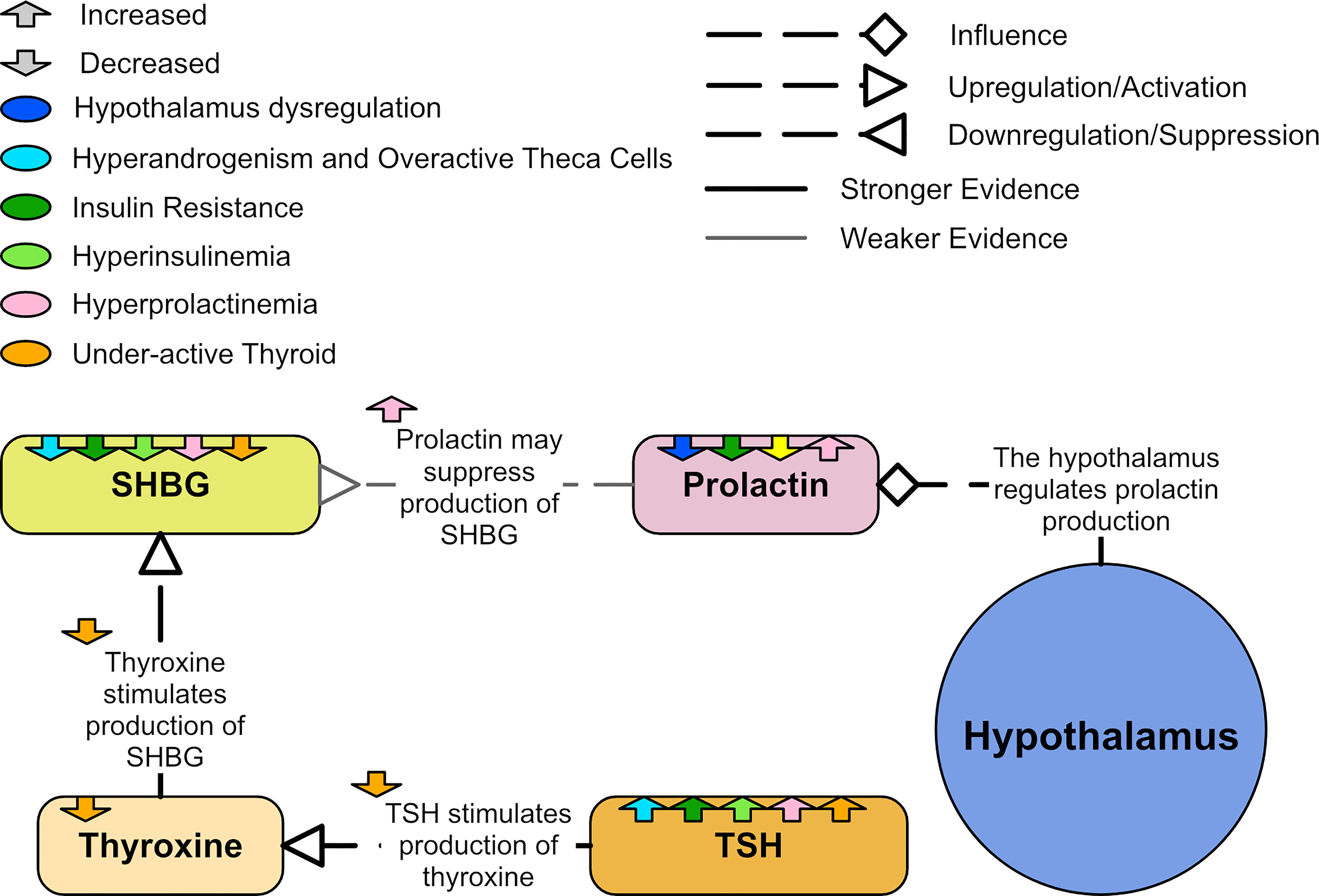
P5P Pyridoxal-5-Phosphate (P5P), the active form of vitamin B6, plays a crucial role in the metabolism of proteins, fats, and carbohydrates. This nutrient is essential for numerous bodily functions, including neurotransmitter synthesis and immune system support. A lesser-known yet vital function of P5P is its ability to aid in the regulation of hormonal balance, particularlyRead More

WHEN TO START PCT AFTER CYCLE

Post Cycle Therapy (PCT) is a crucial phase for individuals who have completed a cycle of anabolic steroids or other performance-enhancing drugs. Knowing the right time to start PCT can greatly impact how well your body recovers and maintains the muscle gains achieved during the cycle. This article delves into the appropriate timing and methodologyRead More

Testosterone Levels: How Age Affects Your Hormones

Understanding Testosterone Levels: How Age Affects Your Hormones   Testosterone is often referred to as the “male hormone,” but it plays a vital role in both men and women. It is responsible for a range of functions, including muscle development, bone density, fat distribution, mood regulation, and sex drive. However, levels of testosterone naturally fluctuateRead More

Left Menu Icon
Your Cart