
TRT Vs Cycle Difference: Doses, Goals and Health Risks
TRT and a testosterone cycle use the same hormone, which is why people lump them together. The purpose, the target blood level and the follow-up are completely different. Below is the short answer first, then doses, bloodwork and long-term risk. This is general information, not medical advice.
TRT vs Cycle: The Core Difference in Goals
TRT restores a clinically low testosterone level to the normal physiological range, under medical supervision, after a diagnosis. A cycle (a “blast”) pushes levels well above that range because the goal is a physique, not a correction.
Picture two lifters. One is 38, with persistently low morning testosterone and symptoms like flat energy, low libido and poor recovery. The other is 28, with normal levels, planning a blast. TRT aims to bring the first man to mid-normal and keep him there. The second has nothing to correct, so he is adding drug to a system that already works, and his monitoring and fertility questions are nothing like the first man’s.
TRT for bodybuilders is legitimate when the diagnosis is real. It is not a loophole.
The most common mistake in the training community is treating a TRT prescription as a licence to run a cycle on top, or running a cycle with no baseline bloodwork at all.
TRT Dose vs Bodybuilding Dose: Typical Ranges
A TRT dose is a modest weekly amount, adjusted until your blood levels sit in the middle of the normal range and your symptoms ease. Bodybuilding blasts run at multiples of that amount, and the aim is levels far beyond anything your body would produce. Prescribing varies between doctors, products and patients, so nobody can give you a single “correct” number, and you shouldn’t trust anyone who does.
Blast and Cruise Explained
Blast and cruise is a hybrid pattern. You run a high-dose blast for a set period, then drop to a lower “cruise” dose, often close to a TRT-style amount, instead of coming fully off.
People like it because it avoids repeated full restarts of natural production. It is still not TRT, for three reasons:
- There is usually no diagnosis behind it.
- The blasts push you supraphysiologic again and again.
- A doctor is rarely setting the plan.
It also keeps you on exogenous testosterone year-round, so your own production never gets a real chance to recover. Blast and cruise does not make high-dose use low-risk. It only changes the rhythm.
Bloodwork and Monitoring: What a Doctor Tracks
Monitoring is where the two approaches should look the same. Clinical guidance such as the Endocrine Society’s guidelines on testosterone therapy for hypogonadism calls for diagnosis with repeat morning testosterone measurements plus symptoms, then follow-up of hematocrit, PSA where appropriate, and symptoms during treatment. If you run higher doses, you need at least that much oversight, not less.
TRT Bloodwork Basics
A sensible panel covers:
- Total and free testosterone, to confirm you are where you intended to be.
- Estradiol, because testosterone converts to it and symptoms often track it.
- Hematocrit, since testosterone can thicken the blood by raising red cell count.
- Lipids, which can shift on any dose.
- PSA, where age-appropriate.
- Liver markers and blood pressure, which matter more as doses climb.
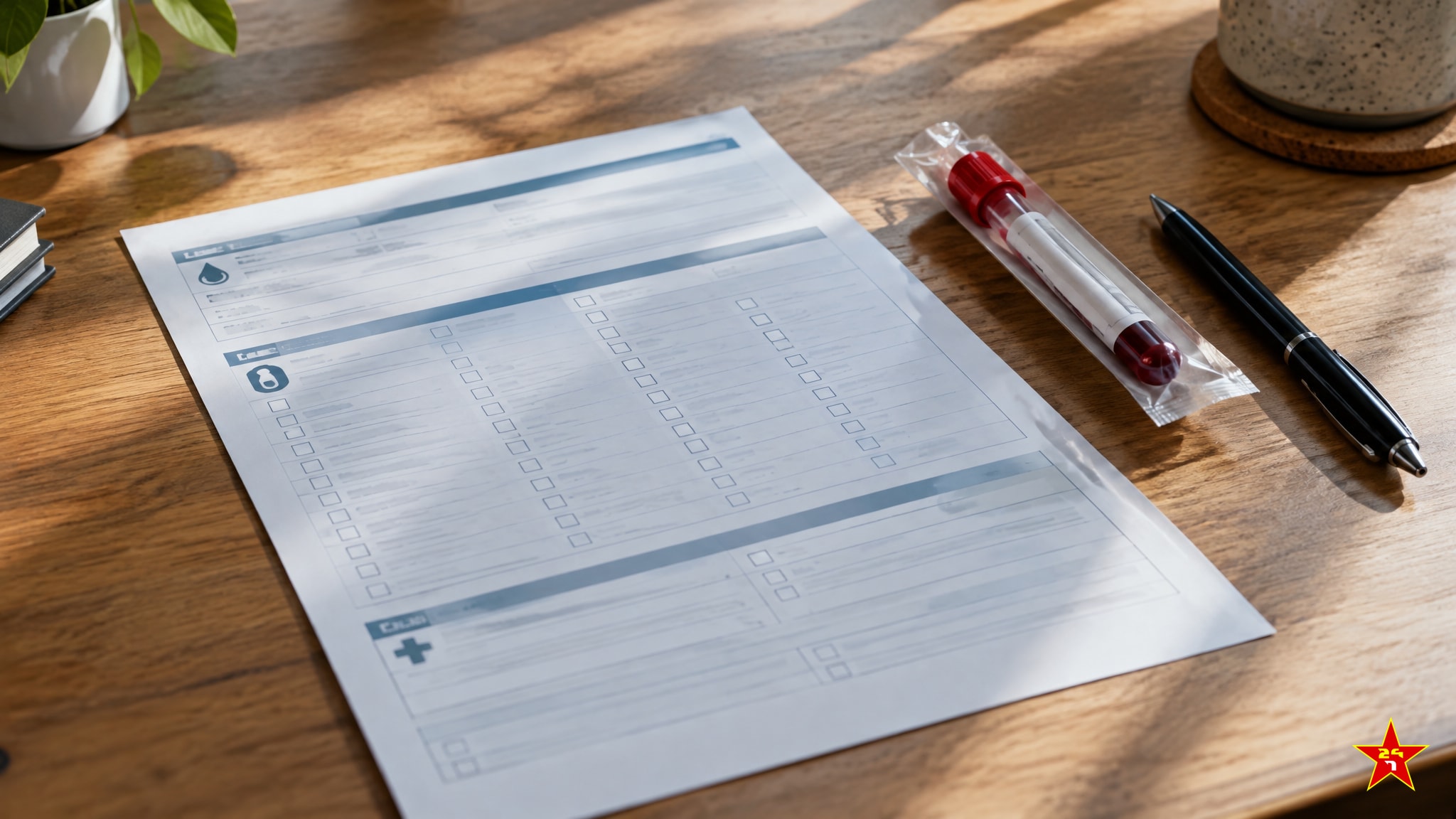
Get a baseline before the first injection. Without one, you can’t tell what a protocol changed, and your doctor can’t either. Repeat the panel on a schedule your doctor sets, and shorten the gap if you are running a blast. None of this is alarmist: it is a few blood draws and a cuff on your arm.
Fertility, HPTA Suppression and Long-Term Health Markers
Both TRT and cycles suppress natural production through the hypothalamic–pituitary–gonadal axis, the signalling chain that tells your testes to make testosterone and sperm. When outside testosterone is present, that signal quiets down, and sperm count can fall with it. TRT does not protect fertility, so if you want children now or later, say so before you start.
Higher doses raise the stakes. Recovery after a blast can take longer, and hematocrit, cardiovascular markers, blood pressure and mood all deserve closer attention. Mood swings are easy to blame on everything but the drug.
Be realistic about the evidence, too. Long-term data on TRT in diagnosed hypogonadism is far better than data on repeated high-dose use, which is limited. That gap doesn’t prove harm. It means nobody can promise you safety over ten or twenty years.
Choosing a Path With a Doctor
Start with a diagnosis. Two morning blood tests, on separate days, tell you whether your levels are truly low, because a single reading can mislead.
Then tell your doctor what you actually want, including physique goals and any plans for children. Doctors can only help with what they know, and an honest conversation beats a guess. Ask about alternatives as well, such as options that stimulate your own production instead of replacing it, since they may suit you better if fertility matters.
If your levels are normal, TRT is not the right tool, and a good doctor will say so.
Your next step is simple: book a baseline bloodwork panel and a consultation before you choose TRT or any higher-dose protocol. Once you have results in hand, browse more articles on testosterone and training to go deeper on the topics that apply to you.
Frequently asked questions
Is blast and cruise the same as being on TRT?
No. TRT treats a diagnosed deficiency with doses aimed at mid-normal levels, while blast and cruise repeatedly pushes levels far above normal for physique goals. The cruise phase may resemble a TRT dose, but the purpose and the monitoring differ.
Does TRT hurt fertility like a cycle does?
Yes, TRT also suppresses natural production through the HPTA and can lower sperm count. Higher doses make recovery harder, so tell your doctor about any plans for children before you start.
What bloodwork should I get before starting any testosterone protocol?
Get total and free testosterone, estradiol, hematocrit, lipids and liver markers, plus PSA if your age warrants it. Have your blood pressure checked too, and repeat the panel on a schedule your doctor sets.