Is 800 testosterone good?
Introduction
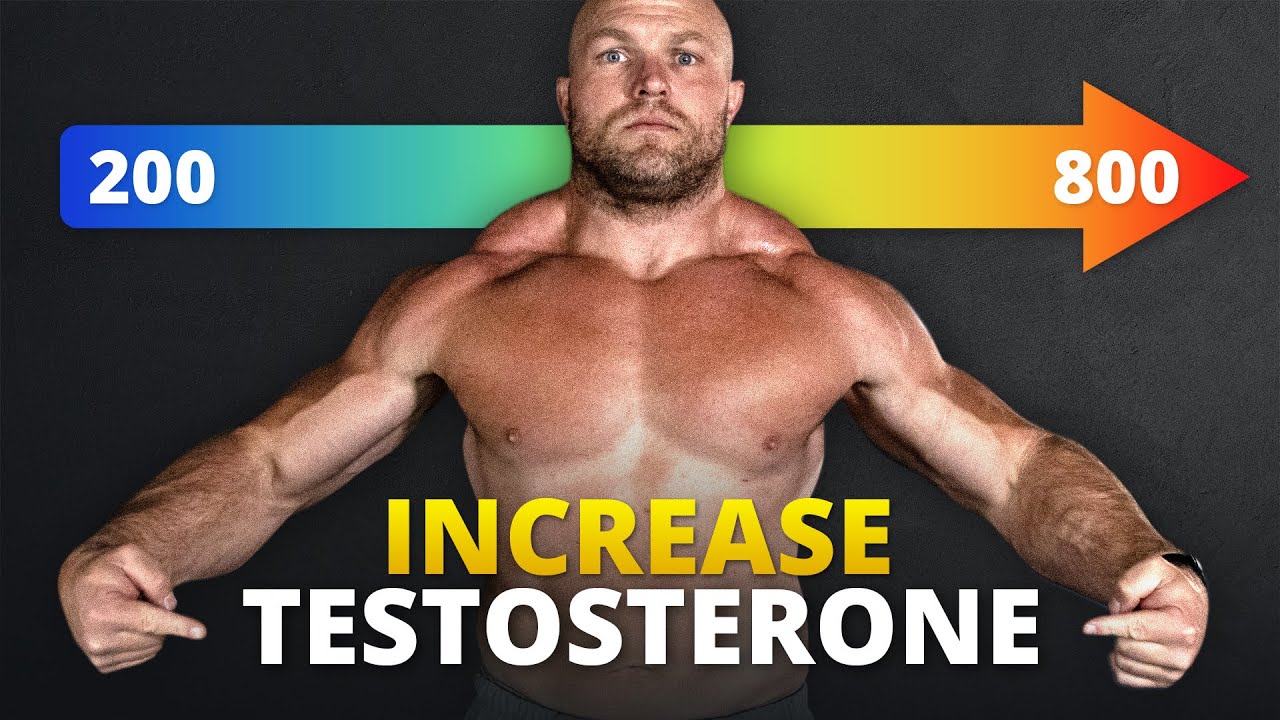
Testosterone, commonly known as the male sex hormone, plays a crucial role in various bodily functions, including muscle mass, bone density, mood regulation, and energy levels. When assessing testosterone levels, many individuals wonder, Is 800 testosterone good? Generally, a testosterone level of 800 ng/dL (nanograms per deciliter) is often considered within the normal range for adult males. However, the significance of this number can vary widely based on individual health conditions, age, and lifestyle factors.
The Testosterone Range Explained
Testosterone levels can fluctuate due to numerous factors. According to the American Urological Association, normal testosterone levels for men typically range between 300 to 1,000 ng/dL. Here’s how this range breaks down:
- Low testosterone (hypogonadism): Below 300 ng/dL
- Normal testosterone: 300 to 1,000 ng/dL
- High testosterone: Above 1,000 ng/dL
With 800 ng/dL falling squarely within the normal range, it would generally be seen as satisfactory. Nevertheless, it’s essential to understand that “normal” can differ significantly from person to person.
Factors Influencing Testosterone Levels
When considering whether 800 testosterone is good, several factors can sway its interpretation:
1. Age
Testosterone levels naturally decline with age. For example, levels may peak in the late teens to early twenties and gradually decrease after that. A level of 800 in a 25-year-old might indicate optimal hormone production, while the same level in a 50-year-old may signal different health considerations.
2. Lifestyle Habits
Various lifestyle choices can impact your testosterone levels:
- Diet: A balanced diet rich in healthy fats can support hormone production.
- Exercise: Regular physical activity, particularly strength training, can boost testosterone.
- Sleep: Quality sleep is essential for maintaining hormonal health.
3. Overall Health
Chronic illnesses, medications, and certain conditions can affect testosterone production. It’s important to have routine medical check-ups to monitor hormonal and overall health.
Benefits of Optimizing Testosterone Levels
Maintaining testosterone within a healthy range, such as 800 ng/dL, can offer several benefits:
- Improved Muscle Mass: Adequate testosterone supports muscle growth and strength.
- Enhanced Mood: Testosterone can play a role in mood regulation and mental well-being.
- Better Bone Density: This hormone helps maintain bone strength, reducing the risk of osteoporosis.
Symptoms of Low Testosterone
While 800 ng/dL is considered good for some, low testosterone can have significant adverse effects. Common symptoms include:
- Fatigue and low energy
- Weight gain or increased body fat
- Reduced libido or sexual dysfunction
- Depression and mood swings
If experiencing such symptoms, it is advisable to consult a healthcare professional. They may recommend further tests to evaluate hormone levels accurately.
Testing and Monitoring Testosterone Levels
Diagnosis of testosterone levels typically involves a blood test that measures total testosterone. It’s usually recommended to conduct this test in the morning, as testosterone levels are at their peak then. Once you know where you stand, the next steps depend on your specific situation:
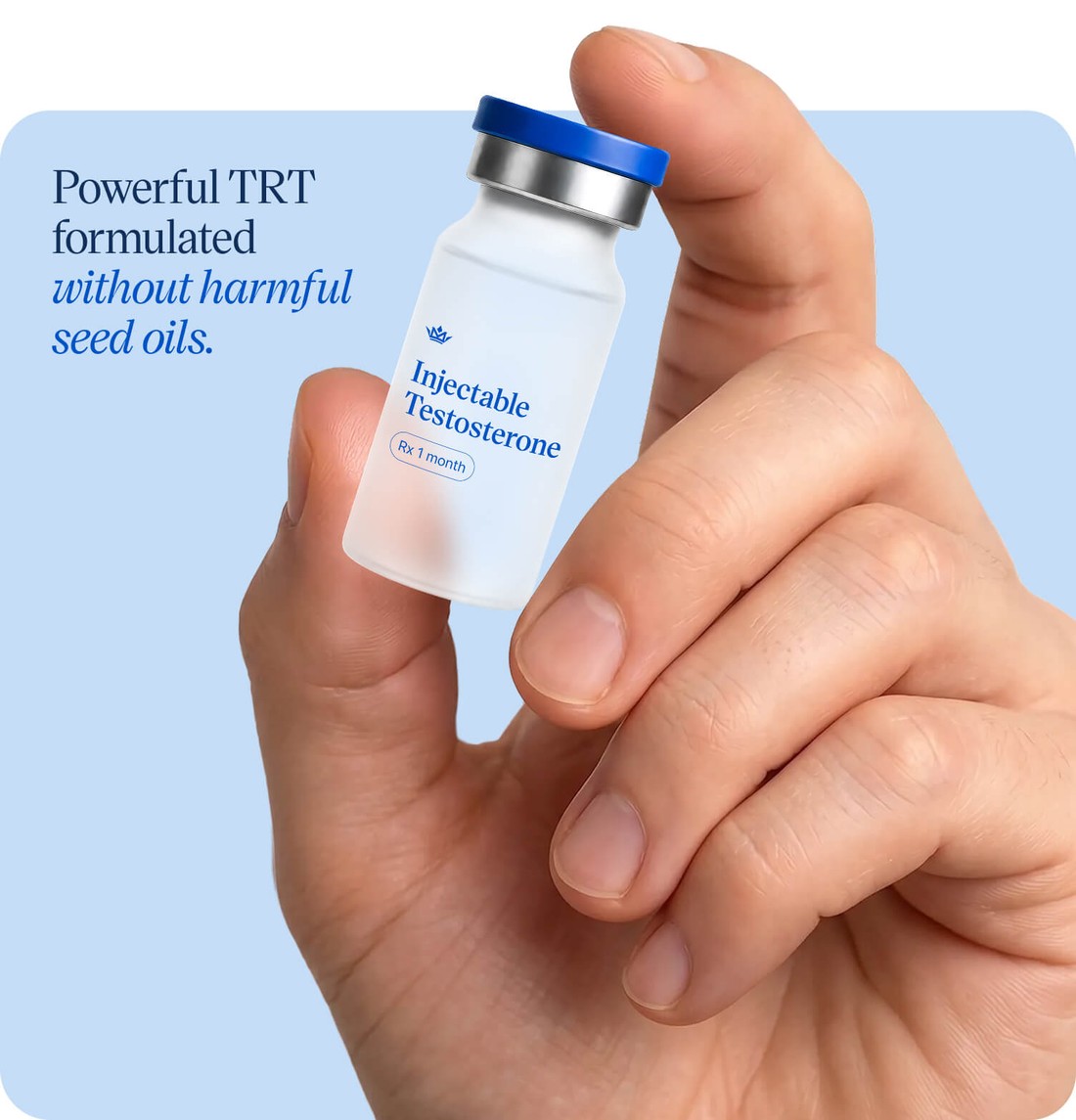
- If levels are low: Your healthcare provider may recommend lifestyle changes or treatments such as testosterone replacement therapy (TRT).
- If levels are high: Monitoring and further testing may be necessary to investigate the underlying causes.
FREE SHIPPING
CLICK HERE!
HOT PROMOTIONS!





Additionally, it’s crucial to discuss potential benefits and risks with your doctor, particularly concerning TRT, as it may come with side effects and health implications.
Natural Ways to Boost Testosterone
If you’re concerned that your testosterone levels may be suboptimal, consider these natural strategies to enhance hormone production:
- Regular Exercise: Engaging in regular physical activity, especially resistance and high-intensity interval training.
- Healthy Diet: Eating a nutrient-dense diet rich in whole foods can promote overall health. Key nutrients include zinc, vitamin D, and omega-3 fatty acids.
- Stress Management: Chronic stress can elevate cortisol, which negatively impacts testosterone. Techniques like mindfulness, meditation, and yoga can be beneficial.
Conclusion
In summary, while a testosterone level of 800 ng/dL is typically regarded as good, the individual context is paramount for understanding its implications. Whether or not this level is optimal for you depends on factors such as age, lifestyle, and overall health. Regular testing and open communication with healthcare professionals are key strategies for maintaining a healthy hormonal balance. Understanding and optimizing testosterone levels can contribute significantly to your overall well-being.
FAQ
1. Is 800 testosterone good for women?
No, testosterone levels in women are significantly lower than in men. Typically, normal levels for women range from 15 to 70 ng/dL.
2. Can stress affect testosterone levels?
Yes, chronic stress can increase cortisol levels, which may lower testosterone production.
3. How can I naturally increase my testosterone levels?
Regular exercise, a balanced diet, adequate sleep, and stress management techniques can help raise testosterone levels naturally.
4. What are the symptoms of low testosterone?
Common symptoms include fatigue, reduced libido, weight gain, and mood swings.
5. How often should I get my testosterone levels tested?
It depends on individual circumstances, but a general recommendation is to have levels checked annually, especially if experiencing symptoms of low testosterone.