Trenbolone Acne: Causes Prevention & Treatment Guide
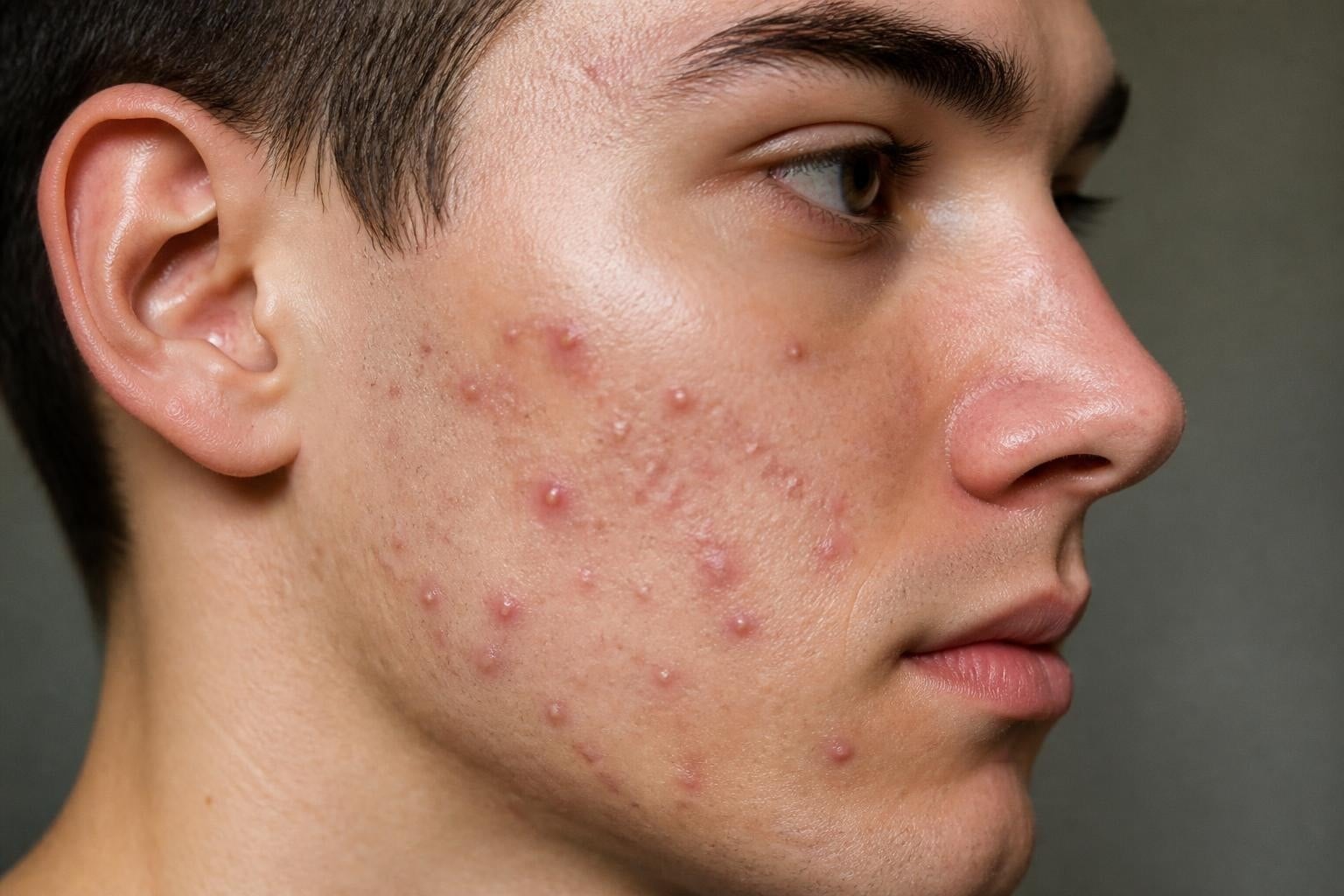
Trenbolone remains one of the most potent anabolic steroids available, favored by bodybuilders and athletes for its exceptional muscle-building properties. However, this powerful compound comes with a significant dermatological side effect that affects many users: severe acne breakouts. Trenbolone acne represents one of the most common and visually distressing complications of using this particular anabolic-androgenic steroid (AAS), often appearing more aggressive and widespread than acne associated with other compounds. Understanding the mechanisms behind this side effect, along with evidence-based prevention and treatment strategies, can help users make informed decisions and manage symptoms effectively.
Understanding the Mechanism Behind Trenbolone Acne
The development of trenbolone acne stems from the compound’s extraordinarily high androgenic activity. Trenbolone binds to androgen receptors with roughly three to five times the affinity of testosterone, triggering a cascade of physiological changes that directly impact skin health.
When trenbolone enters the system, it dramatically increases androgen receptor activation in sebaceous glands throughout the body. These glands respond by producing excessive amounts of sebum, the oily substance that normally protects and moisturizes skin. This overproduction creates an ideal environment for acne development.
Sebaceous Gland Hyperactivity
Research on cutaneous effects of androgens demonstrates how androgenic compounds drive sebaceous gland activity and acne pathophysiology. The process involves several key steps:
- Increased sebum production beyond normal skin requirements
- Altered sebum composition with higher levels of inflammatory lipids
- Follicular hyperkeratinization causing pore blockages
- Bacterial colonization by Cutibacterium acnes (formerly Propionibacterium acnes)
- Inflammatory cascade leading to papules, pustules, and cysts
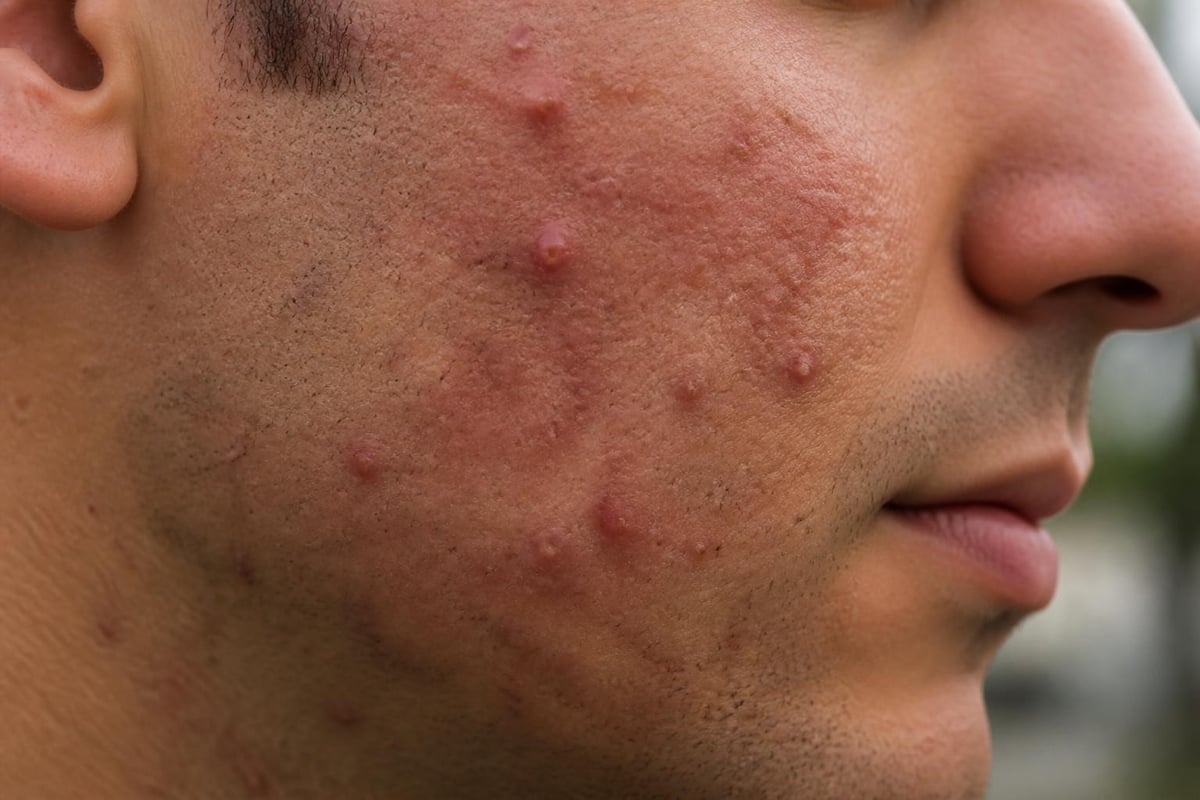
The androgenic potency of trenbolone means these effects occur more rapidly and severely than with many other steroids. Users often report acne appearing within the first two weeks of a cycle, with severity increasing as the cycle progresses.
Inflammatory Response Amplification
Beyond simple sebum overproduction, trenbolone acne involves significant inflammatory components. Studies on host antimicrobial peptides and acne pathogenesis reveal how increased sebum and androgens link to acne severity through molecular pathways.
The immune system recognizes the altered follicular environment as abnormal, deploying inflammatory cells that paradoxically worsen the condition. This explains why trenbolone acne often presents as deeper, more painful nodules rather than simple surface whiteheads.
Clinical Presentation and Severity Patterns
Trenbolone acne exhibits distinct characteristics that differentiate it from typical adolescent or hormonal acne. Recognition of these patterns helps users identify the condition early and seek appropriate intervention.
Common Distribution Areas
| Body Region | Frequency | Typical Severity |
|---|---|---|
| Back (upper) | 85-90% | Moderate to severe |
| Shoulders | 75-80% | Moderate to severe |
| Chest | 60-70% | Mild to moderate |
| Face | 50-65% | Variable |
| Arms (upper) | 40-50% | Mild to moderate |
| Neck | 30-40% | Mild |
The back and shoulders bear the heaviest concentration of sebaceous glands responsive to androgens, explaining why these areas experience the most severe breakouts. Unlike typical acne that concentrates on the face, trenbolone acne frequently affects the torso more dramatically.
Acne Severity Spectrum
Users experience a range of presentations depending on dosage, cycle duration, individual genetics, and skin care practices:
Mild trenbolone acne manifests as increased oiliness with scattered comedones (blackheads and whiteheads) and occasional small papules. This level remains manageable with over-the-counter treatments and proper hygiene.
Moderate trenbolone acne involves numerous inflammatory papules and pustules across multiple body regions, often with some post-inflammatory hyperpigmentation. Users at this level typically require prescription treatments to prevent progression.
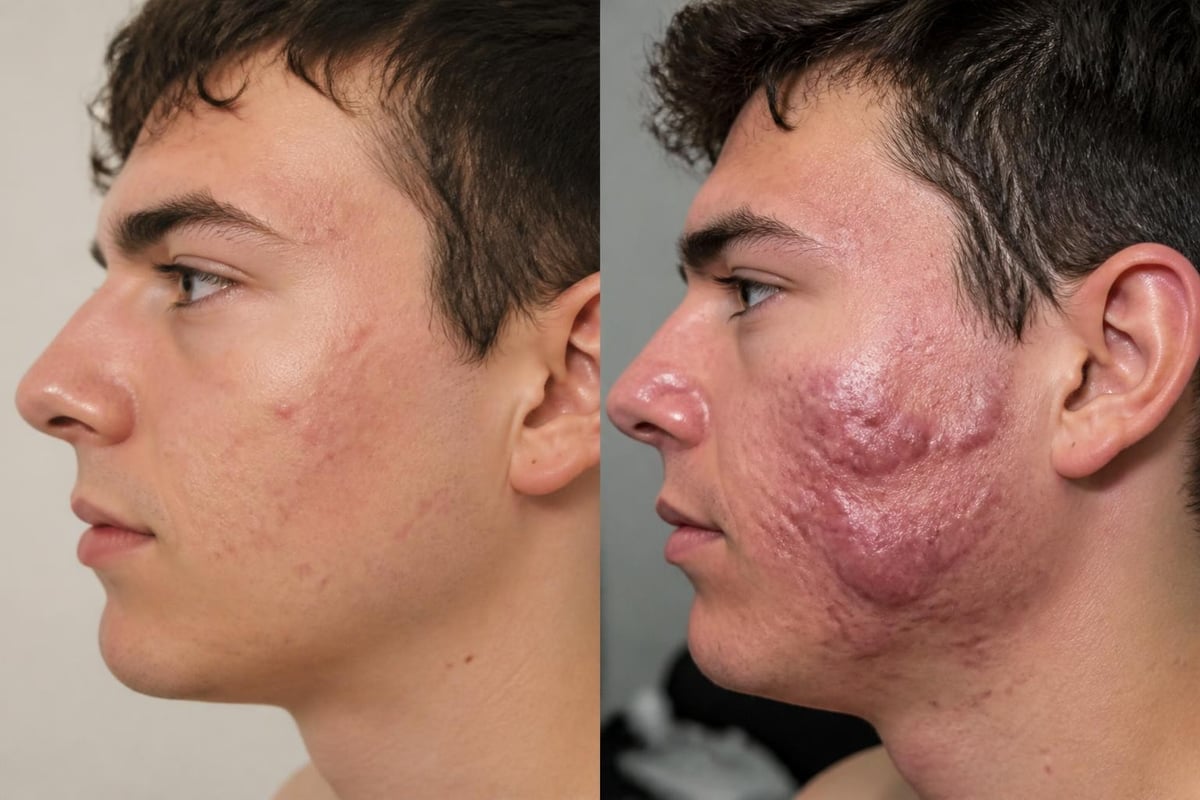
Severe trenbolone acne presents with deep nodules, cysts, and potential acne conglobata (interconnected lesions). Reviews of anabolic-androgenic steroids document such severe manifestations requiring aggressive medical intervention.
In rare cases, users develop acne fulminans, an explosive inflammatory condition requiring immediate medical attention and often hospitalization.
Risk Factors and Individual Susceptibility
Not all trenbolone users experience severe acne, though most encounter at least some increase in breakouts. Several factors influence individual susceptibility and severity.
Genetic Predisposition
Individuals with personal or family histories of acne face significantly higher risk when using trenbolone. Those who experienced severe acne during adolescence typically suffer worse outcomes, as their sebaceous glands remain hyperresponsive to androgens.
The number and sensitivity of androgen receptors in skin tissue varies genetically. Some users possess naturally higher receptor densities or more sensitive receptors, amplifying trenbolone’s effects on sebum production.
Dosage and Duration Considerations
Higher trenbolone doses correlate directly with increased acne severity. The compound exhibits a dose-dependent response in sebaceous gland stimulation:
- 200-300mg weekly: Mild to moderate increase in breakouts
- 400-500mg weekly: Moderate to severe acne in most users
- 600mg+ weekly: Severe acne with high risk of scarring
Cycle duration also matters significantly. Acne typically worsens progressively throughout a cycle, with peak severity often occurring during weeks 6-10 of extended runs.
Compound Stacking Effects
Many users combine trenbolone with other androgenic compounds, creating additive or synergistic effects on acne development. Stacks including testosterone, masteron, or other high-androgenic steroids exponentially increase risk compared to trenbolone alone.
Conversely, including compounds with lower androgenic indices (such as certain oral steroids) may slightly moderate severity, though this remains unpredictable.
Prevention Strategies for Trenbolone Users
While complete prevention of trenbolone acne proves difficult given the compound’s mechanism of action, several strategies can minimize severity and reduce scarring risk.
Proactive Skin Care Protocol
Establishing a rigorous skin care routine before starting a trenbolone cycle provides the best defense against severe breakouts:
- Gentle cleansing twice daily with salicylic acid or benzoyl peroxide wash
- Non-comedogenic moisturizers to prevent compensatory oil production
- Exfoliation 2-3 times weekly to prevent follicular plugging
- Body washes containing antibacterial or keratolytic agents for torso acne
- Clean clothing and bedding changed frequently to reduce bacterial load
Consistency matters more than product selection. Users should begin this routine at least two weeks before cycle initiation.
Dietary and Lifestyle Modifications
Certain dietary patterns appear to exacerbate steroid-induced acne, though research remains limited in AAS populations specifically:
Foods to minimize:
- High-glycemic carbohydrates that spike insulin
- Dairy products (especially skim milk)
- Excessive saturated fats
- Processed foods with inflammatory oils
Beneficial practices:
- Adequate hydration (1+ gallon daily)
- Anti-inflammatory whole foods diet
- Omega-3 fatty acid supplementation
- Regular sauna or steam room use for pore clearing
- Stress management techniques
Supplemental Support Options
Some supplements show promise for moderating sebum production and inflammation, though none prevent trenbolone acne entirely:
| Supplement | Mechanism | Typical Dose |
|---|---|---|
| Pantothenic Acid (B5) | Reduces lipid synthesis | 2-5g daily |
| Zinc | Anti-inflammatory, reduces 5α-reductase | 30-50mg daily |
| Vitamin A | Regulates cell turnover | 10,000-25,000 IU daily |
| Niacinamide | Reduces sebum, anti-inflammatory | 500mg twice daily |
| Saw Palmetto | Mild anti-androgenic effects | 320mg daily |
Users should note that high-dose vitamin A carries toxicity risks and requires careful monitoring. These supplements work best as preventive measures rather than treatments for established acne.
Treatment Approaches for Active Breakouts
When prevention efforts fail to control trenbolone acne adequately, escalating treatment becomes necessary to minimize scarring and psychological impact.
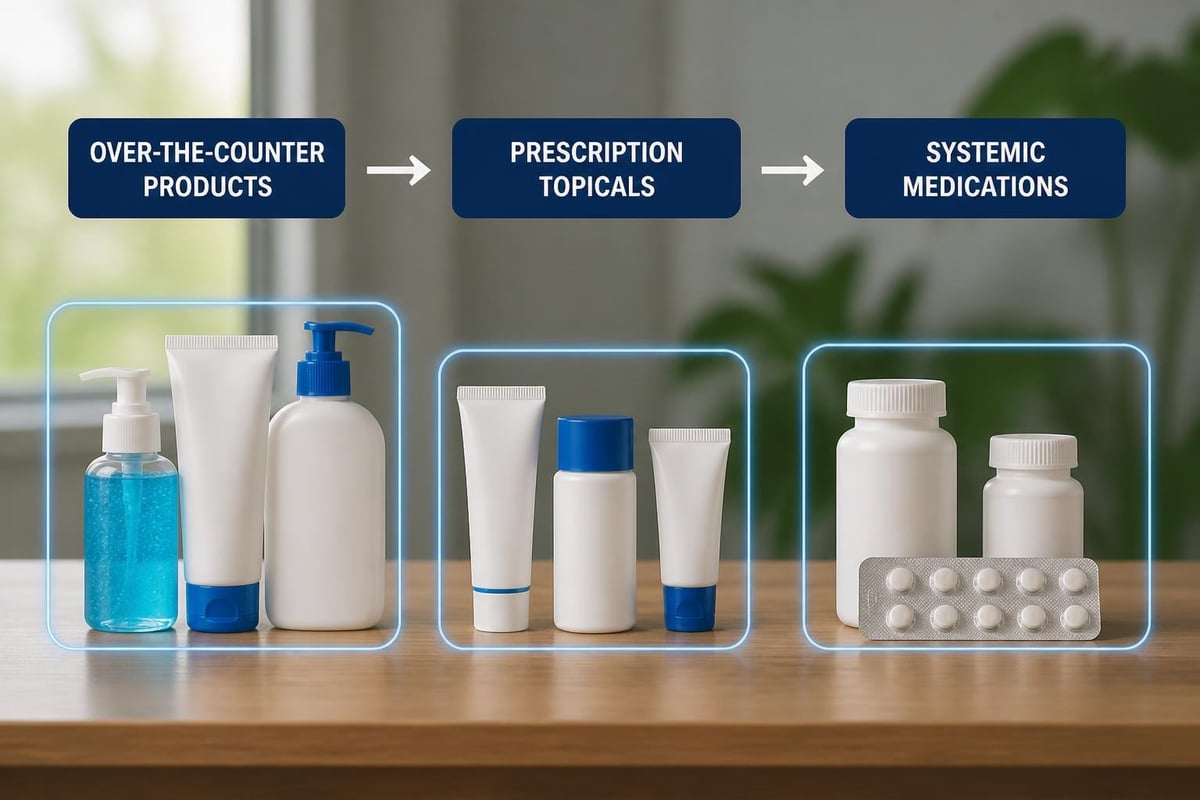
Over-the-Counter Interventions
For mild to moderate trenbolone acne, pharmacy-available products provide the first line of defense:
Benzoyl peroxide (2.5-10%) kills acne-causing bacteria and reduces inflammation. Start with lower concentrations to assess tolerance, applying to affected areas once or twice daily. Watch for excessive dryness or irritation.
Salicylic acid (0.5-2%) promotes exfoliation and prevents pore blockages. Available in cleansers, leave-on treatments, and body washes, this beta-hydroxy acid penetrates oil-filled pores effectively.
Adapalene gel 0.1% represents the only retinoid available without prescription in the USA. This vitamin A derivative normalizes follicular keratinization and reduces inflammation, though it requires 8-12 weeks for full effects.
Combination approaches using benzoyl peroxide in the morning and adapalene at night often yield superior results compared to single-agent treatment.
Prescription Topical Treatments
When over-the-counter options prove insufficient, dermatologists can prescribe stronger topical medications:
- Tretinoin (0.025-0.1%): More potent retinoid than adapalene
- Clindamycin solutions/gels: Topical antibiotic reducing bacterial load
- Dapsone gel: Anti-inflammatory with unique mechanism
- Combination products: Tretinoin/clindamycin or adapalene/benzoyl peroxide
Clinical information on steroid acne outlines how these treatments address different aspects of the acne cascade. Topicals work best for facial and mild truncal acne but struggle with severe back and shoulder involvement.
Systemic Medication Options
Severe trenbolone acne often requires oral medications for adequate control. The most common systemic treatments include:
Oral antibiotics such as doxycycline (100mg twice daily) or minocycline (100mg daily) reduce inflammation and bacterial colonization. Dermatologists typically prescribe these for 3-6 months, though resistance development limits long-term use.
Isotretinoin (Accutane) represents the definitive treatment for severe acne, including steroid-induced variants. JMIR Dermatology research on AAS complications discusses treatment considerations for anabolic steroid users. This vitamin A derivative shrinks sebaceous glands permanently, offering potential cure rather than temporary suppression.
Isotretinoin dosing typically ranges from 0.5-1mg/kg daily for 4-6 months. However, using isotretinoin while actively on trenbolone presents several complications:
- Lipid effects: Both trenbolone and isotretinoin can elevate cholesterol and triglycerides
- Liver stress: Concurrent hepatotoxic effects require careful monitoring
- Compliance requirements: Monthly blood work and pregnancy prevention programs
- Delayed clearance: Acne may not improve until after trenbolone discontinuation
Many dermatologists prefer waiting until users complete their cycle before initiating isotretinoin, using antibiotics as a bridge therapy. European dermatology case reports describe severe acne linked to trenbolone acetate cycles treated successfully with isotretinoin post-cycle.
For users who require ongoing testosterone therapy after discontinuing other compounds, maintaining stable testosterone levels (such as those achieved with physician-supervised TRT using Testosterone Cypionate 200mg) may help stabilize skin during isotretinoin treatment, though this requires close medical coordination between endocrinology and dermatology specialists.
Post-Cycle Acne Management
Interestingly, some users experience worsening acne immediately after discontinuing trenbolone, a phenomenon related to hormonal fluctuations during recovery. The sudden drop in supraphysiological androgens creates temporary imbalances that can trigger breakouts.
Hormonal Transition Period
During the first 4-8 weeks post-cycle, the body attempts to restore natural hormone production. This period carries particular risk for acne flares:
Week 1-2: Initial improvement as trenbolone clears
Week 3-6: Potential rebound acne as hormones fluctuate
Week 6-12: Gradual stabilization as homeostasis returns
Continuing aggressive acne treatment throughout this transition prevents rebound breakouts and accelerates overall clearance.
Scar Prevention and Treatment
Aggressive trenbolone acne frequently leaves permanent scarring, particularly when users pick at lesions or fail to treat deep cysts promptly. Scar prevention should begin during active breakouts:
- Avoid manipulation of cysts and nodules
- Early intervention for deep lesions with cortisone injections
- Sun protection to prevent post-inflammatory hyperpigmentation
- Gentle skin care avoiding harsh scrubs that damage skin
For established scars, dermatological procedures offer improvement:
| Procedure | Best For | Sessions Needed | Downtime |
|---|---|---|---|
| Chemical peels | Superficial scars, texture | 3-6 | Minimal |
| Microneedling | Rolling scars, texture | 4-6 | 1-3 days |
| Laser resurfacing | Deep scars, pigmentation | 1-3 | 5-14 days |
| Subcision | Ice-pick scars | 1-3 | 3-7 days |
| Filler injections | Depressed scars | 1-2 | Immediate |
Most dermatologists recommend waiting until acne remains fully controlled for at least 6 months before pursuing scar revision treatments.
Psychological and Social Impact Considerations
While often dismissed as merely cosmetic, severe trenbolone acne carries significant psychological burden. Users report decreased self-confidence, social withdrawal, and anxiety about physical appearance, particularly when breakouts affect visible areas like the face and neck.
The bodybuilding community’s emphasis on physical aesthetics amplifies these concerns. Users pursuing muscular development for aesthetic or competitive purposes may find severe acne undermines their goals, creating cognitive dissonance about continuing their cycle.
Quality of Life Assessment
Before starting trenbolone, potential users should honestly evaluate their priorities:
- How important is clear skin to overall well-being?
- Can you tolerate 12-20 weeks of potential severe acne?
- Do you have upcoming events (competitions, photos, social occasions) requiring good skin?
- Are you prepared for potential permanent scarring?
For some users, alternative compounds with lower androgenic activity provide better risk-benefit profiles when acne susceptibility runs high.
Communication with Healthcare Providers
Users experiencing severe trenbolone acne should seek dermatological care rather than suffering silently. While some hesitate to disclose steroid use, honesty enables appropriate treatment:
Many dermatologists recognize steroid-induced acne patterns and adopt pragmatic, harm-reduction approaches. They can provide isotretinoin, antibiotics, or procedural interventions while advising on safer practices.
Complete disclosure also prevents drug interactions, as some acne treatments contraindicate concurrent use with specific steroids or ancillary compounds.
Alternative Approaches and Harm Reduction
For users committed to trenbolone despite acne concerns, several harm reduction strategies may minimize severity while acknowledging that some degree of breakouts likely remains unavoidable.
Dose Optimization
Using the minimum effective dose provides the most straightforward harm reduction approach. Trenbolone produces substantial anabolic effects even at moderate doses (200-300mg weekly), while acne severity correlates strongly with higher doses.
Users might achieve 80-90% of desired results at doses causing only mild-moderate acne, versus 95-100% of results at doses guaranteeing severe breakouts and scarring.
Cycle Timing Considerations
Strategic cycle planning around important events or seasons helps users manage social impact:
- Avoid summer cycles when beach/pool exposure increases
- Plan around competitions requiring photos or public appearance
- Schedule during covered months when clothing conceals torso acne
- Allow 3-4 months post-cycle before major events for skin recovery
Trenbolone Ester Selection
Some users report differences in acne severity between trenbolone esters, though scientific evidence remains limited:
Trenbolone acetate (short ester) clears rapidly if severe side effects develop, potentially offering better control. However, frequent injections (daily or every other day) may prove impractical.
Trenbolone enanthate (long ester) requires less frequent administration but persists longer if discontinuation becomes necessary due to intolerable acne.
Individual responses vary significantly, making personal experimentation the only reliable guide.
Managing trenbolone acne requires a multi-faceted approach combining prevention, early intervention, and appropriate treatment escalation when necessary. While this side effect challenges many users, understanding the mechanisms and available solutions enables better outcomes and reduces permanent scarring risk. Whether you’re researching your first cycle or managing ongoing concerns, 24-7.is provides access to quality products and resources to support informed decision-making throughout your performance enhancement journey.