Testosterone Propionate: Properties Dosing & Clinical Use
Testosterone propionate stands as one of the earliest synthetic testosterone preparations developed for clinical use, representing a significant milestone in hormone replacement therapy. First synthesized in the 1930s, this short-acting ester revolutionized androgen therapy by providing a more controllable alternative to early testosterone formulations. Despite the development of longer-acting esters in subsequent decades, testosterone propionate continues to hold relevance in specific medical contexts and performance enhancement protocols. Understanding its unique pharmacokinetic profile, clinical applications, and administration requirements provides essential knowledge for anyone considering testosterone therapy options.
Chemical Structure and Pharmacological Properties
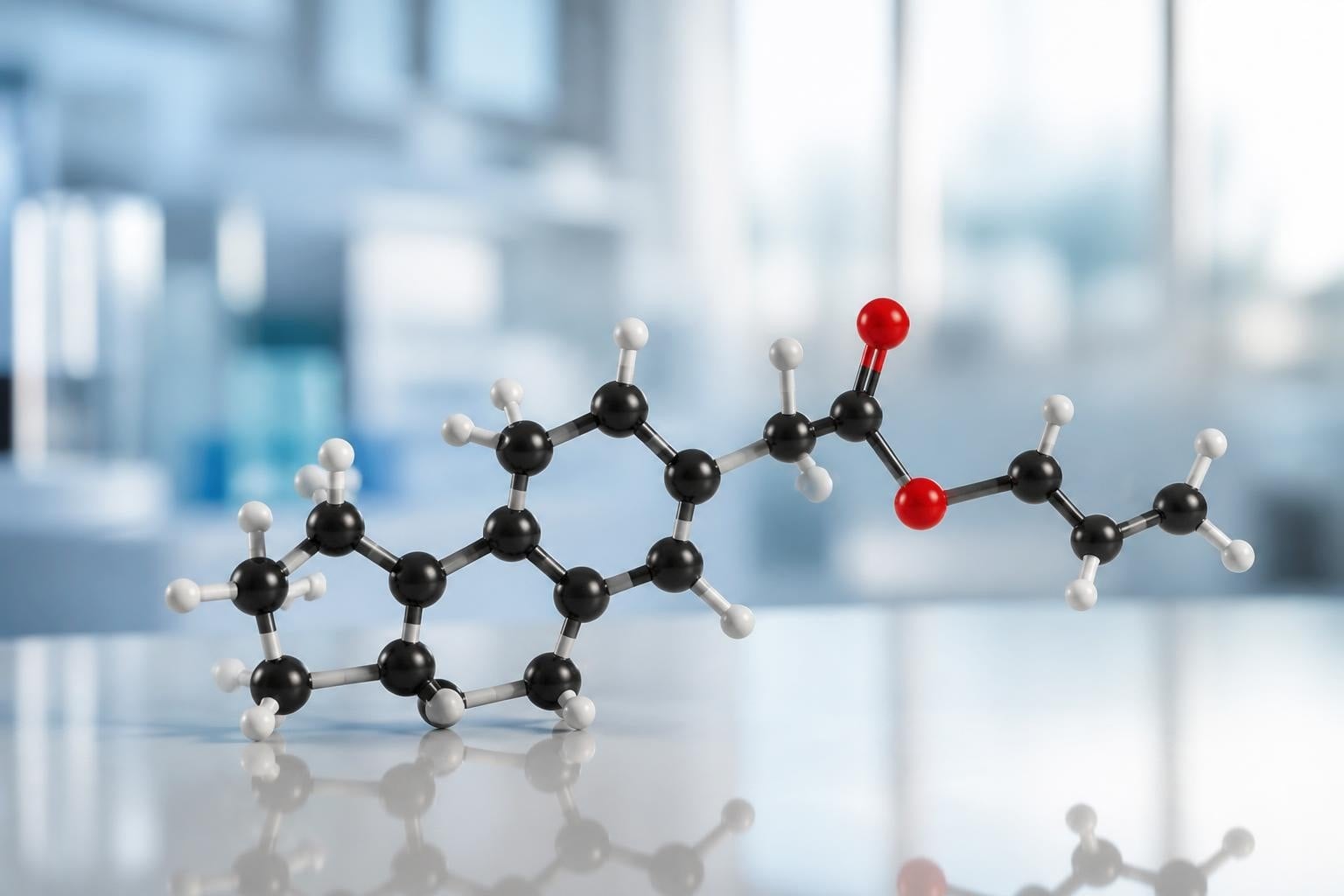
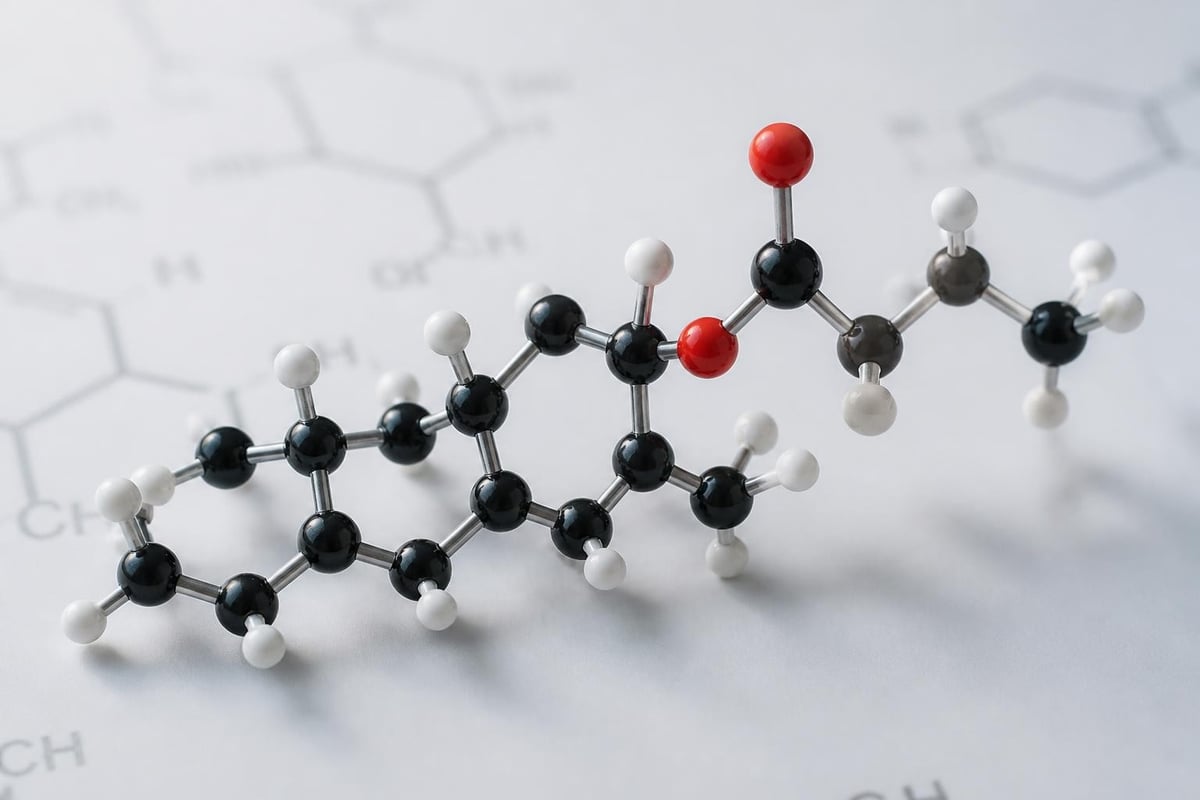
Testosterone propionate consists of the testosterone molecule esterified at the 17-beta position with propionic acid. This esterification creates a lipophilic compound that enables intramuscular depot injection while delaying release into systemic circulation.
Molecular Characteristics
The addition of the propionate ester chain increases the molecular weight of the compound compared to free testosterone. This chemical modification serves two critical functions: enhanced solubility in oil-based injection vehicles and delayed hydrolysis after intramuscular administration.
Key molecular features include:
- Molecular formula: C22H32O3
- Molecular weight: 344.49 g/mol
- Ester chain length: Three carbon atoms
- Plasma half-life: Approximately 0.8 days
The American Chemical Society recognizes testosterone propionate for its historical significance as an early therapeutic androgen preparation. The relatively short ester chain distinguishes this compound from longer-acting variants like enanthate or cypionate, which contain seven and eight carbon chains respectively.
Mechanism of Action
Once injected intramuscularly, testosterone propionate forms a depot in muscle tissue. Esterase enzymes gradually cleave the propionate ester, releasing free testosterone into circulation. This free testosterone then binds to androgen receptors in target tissues throughout the body.
The receptor signaling pathways activated by testosterone trigger anabolic and androgenic effects including muscle protein synthesis, bone mineral density maintenance, and development of secondary sex characteristics. The shorter ester chain means faster ester cleavage and quicker elevation of serum testosterone levels compared to longer esters.
Pharmacokinetics and Dosing Protocols
The pharmacokinetic profile of testosterone propionate differs substantially from longer-acting testosterone preparations, necessitating more frequent administration to maintain stable blood levels.
Absorption and Distribution
Following intramuscular injection, testosterone propionate demonstrates rapid absorption characteristics. Peak serum testosterone concentrations typically occur within 24-36 hours post-injection, significantly faster than the 72-96 hour peak seen with testosterone enanthate or cypionate.
| Parameter | Testosterone Propionate | Testosterone Cypionate | Testosterone Enanthate |
|---|---|---|---|
| Half-life | 0.8 days | 8 days | 7 days |
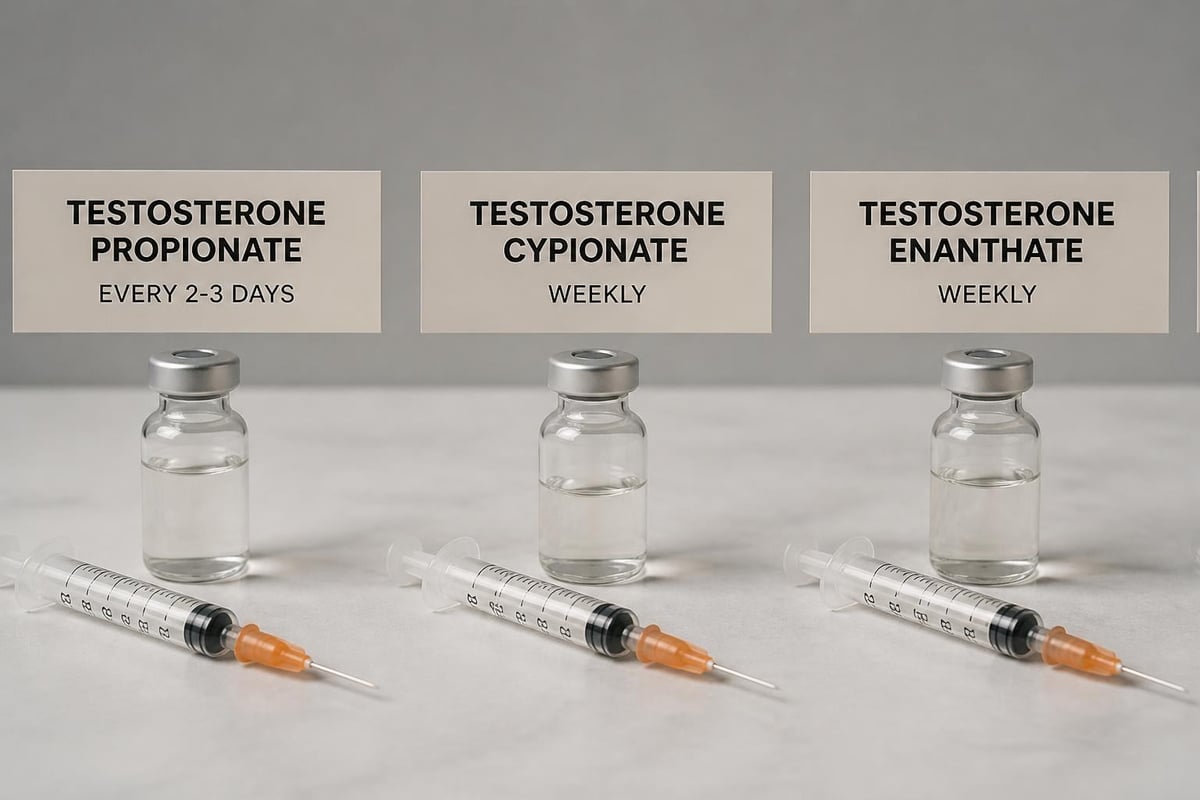
| Injection frequency | Every 1-3 days | Every 7-14 days | Every 7-14 days |
| Peak levels | 24-36 hours | 72-96 hours | 72-96 hours |
| Typical dose range | 25-100mg | 100-200mg | 100-250mg |
Clinical Dosing Strategies
Medical testosterone replacement protocols using testosterone propionate traditionally involve more frequent injections than longer esters. The European Association of Urology guidelines note that the short duration of action requires administration every 2-3 days to maintain therapeutic testosterone levels.
Standard clinical approaches include:
- Initiation phase: Starting doses of 25-50mg every other day
- Titration period: Adjusting based on serum testosterone measurements and symptom response
- Maintenance regimen: Individualized dosing typically ranging from 50-100mg every 2-3 days
- Monitoring protocol: Regular blood work assessing total testosterone, free testosterone, and safety markers
The shorter half-life provides both advantages and challenges. Patients can achieve more precise control over testosterone levels and experience faster washout if adverse effects occur. However, the frequent injection schedule reduces convenience compared to weekly or biweekly administration of longer esters.
Clinical Applications and Medical Use
Testosterone propionate serves specific niches in testosterone replacement therapy and endocrinology despite the widespread adoption of longer-acting preparations.
Testosterone Replacement Therapy
Men diagnosed with hypogonadism may receive testosterone propionate when clinical circumstances favor shorter-acting formulations. Situations warranting this approach include initial testosterone therapy trials, patients requiring rapid dose adjustments, or individuals with hypersensitivity to longer esters.
Those researching testosterone options might also encounter Testosterone Cypionate 200mg, a longer-acting alternative that requires less frequent injections. However, propionate’s rapid clearance makes it advantageous when quickly establishing optimal dosing parameters or when treatment discontinuation may be necessary.
Specialized Medical Contexts
Several medical scenarios benefit from testosterone propionate’s pharmacokinetic characteristics:
- Pre-surgical evaluation: Short washout period allows assessment of testosterone-responsive symptoms before committing to long-term therapy
- Fertility preservation: Easier to discontinue when attempting to restore spermatogenesis
- Adolescent delayed puberty: Controllable dosing with rapid reversibility if needed
- Female-to-male transition: Initial phases where dose titration occurs frequently
The ability to quickly adjust or discontinue therapy provides clinical flexibility that longer-acting preparations cannot match. This responsiveness proves valuable when balancing therapeutic benefits against potential adverse effects.
Performance Enhancement and Athletic Use
Beyond medical applications, testosterone propionate has found use in athletic and bodybuilding communities seeking performance enhancement through supraphysiological androgen exposure.
Athletic Detection and Testing
The shorter detection window compared to longer testosterone esters has historically made testosterone propionate attractive to athletes subject to anti-doping testing. Research on testosterone ester detection methods demonstrates that propionate’s rapid metabolism creates a narrower window for identification through standard urinalysis.
However, modern testing protocols employed by organizations like WADA have evolved substantially. The World Anti-Doping Agency technical documentation outlines sophisticated analytical methods including isotope ratio mass spectrometry that can detect exogenous testosterone administration regardless of ester type.
Key detection considerations include:
- Urinary testosterone/epitestosterone ratios
- Longitudinal monitoring through athlete biological passports
- Carbon isotope ratio analysis differentiating synthetic from endogenous testosterone
- Extended detection windows through metabolite identification
Performance Enhancement Protocols
Non-medical testosterone propionate use typically involves significantly higher doses than therapeutic protocols. Common performance enhancement regimens range from 100-200mg every other day, often combined with other anabolic compounds in multi-drug stacks.
| Application | Typical Dose | Frequency | Cycle Length |
|---|---|---|---|
| Medical TRT | 25-100mg | Every 2-3 days | Continuous |
| Cutting cycles | 100-150mg | Every other day | 8-12 weeks |
| Bulking cycles | 100-200mg | Every other day | 10-16 weeks |
| Contest prep | 50-100mg | Daily | 6-8 weeks |
Athletes should understand that testosterone use without medical necessity violates regulations in competitive sports. The USADA Athlete Pocket Guide clearly categorizes testosterone and its esters as prohibited anabolic agents, with use resulting in sanctions ranging from multi-year suspensions to lifetime bans.

Administration Techniques and Injection Protocols
Proper administration technique maximizes therapeutic benefits while minimizing complications associated with intramuscular injection.
Injection Site Selection
Testosterone propionate requires intramuscular administration into large muscle groups with adequate blood flow to facilitate absorption. Preferred injection sites include:
- Vastus lateralis (outer thigh): Accessible for self-administration with large muscle mass
- Gluteus medius (upper outer quadrant of buttock): Traditional site offering deep muscle injection
- Deltoid (shoulder): Suitable for smaller injection volumes
- Ventrogluteal (hip): Anatomically safe with reduced nerve and blood vessel risk
Rotating injection sites prevents localized tissue complications including oil granulomas, fibrosis, and injection site reactions. A systematic rotation schedule spreading injections across multiple sites reduces tissue trauma at any single location.
Proper Injection Technique
Step-by-step administration process:
- Gather supplies including testosterone propionate vial, sterile syringe and needle, alcohol swabs, and disposal container
- Wash hands thoroughly and prepare clean injection area
- Draw prescribed dose using aseptic technique
- Select injection site and cleanse with alcohol swab
- Insert needle at 90-degree angle with swift, controlled motion
- Aspirate to confirm absence of blood vessel penetration
- Inject testosterone slowly and steadily
- Withdraw needle and apply gentle pressure with clean gauze
- Dispose of needle and syringe in sharps container
Using appropriate needle gauge (typically 22-25 gauge) and length (1-1.5 inches for most sites) ensures proper intramuscular delivery. Some practitioners prefer 23-gauge needles balancing flow rate with patient comfort.
Safety Considerations and Adverse Effects
Understanding potential risks associated with testosterone propionate use enables informed decision-making and appropriate monitoring strategies.
Common Side Effects
Testosterone administration may produce both androgenic and estrogenic side effects resulting from testosterone conversion to dihydrotestosterone and estradiol respectively.
Frequently reported adverse effects include:
- Acne and oily skin
- Male pattern baldness acceleration in genetically predisposed individuals
- Gynecomastia from aromatization to estradiol
- Testicular atrophy with suppressed spermatogenesis
- Polycythemia (elevated red blood cell count)
- Sleep apnea exacerbation
- Mood alterations including increased aggression
Serious Health Risks
Supraphysiological testosterone exposure carries significant cardiovascular and metabolic risks. Studies indicate associations between exogenous testosterone use and:
- Adverse lipid profile changes (decreased HDL, increased LDL)
- Hypertension
- Left ventricular hypertrophy
- Increased thrombotic risk
- Hepatotoxicity (minimal with injectable esters)
- Prostate enlargement and potential cancer promotion
Regular health monitoring including blood pressure checks, lipid panels, complete blood counts, liver function tests, and prostate-specific antigen measurements helps identify emerging complications before serious consequences develop.
Contraindications and Precautions
Certain medical conditions contraindicate testosterone propionate use:
- Prostate cancer or significant prostatic hyperplasia
- Male breast cancer
- Severe heart failure
- Severe hepatic impairment
- Hypersensitivity to testosterone or injection components
Patients with pre-existing cardiovascular disease, sleep apnea, or polycythemia require careful risk-benefit assessment and intensive monitoring if therapy proceeds.
Comparison With Alternative Testosterone Preparations
Evaluating testosterone propionate against other available formulations helps identify optimal therapy for individual circumstances.
Injectable Testosterone Esters
Multiple testosterone ester preparations offer varying pharmacokinetic profiles suited to different patient needs and preferences.
| Preparation | Ester Length | Injection Frequency | Primary Advantage |
|---|---|---|---|
| Propionate | Short (3 carbons) | Every 1-3 days | Rapid onset, quick clearance |
| Phenylpropionate | Short-medium | Every 3-4 days | Slightly extended duration |
| Enanthate | Long (7 carbons) | Weekly | Convenient dosing schedule |
| Cypionate | Long (8 carbons) | Weekly to biweekly | Extended action, stable levels |
| Undecanoate | Very long (11 carbons) | Every 10-14 weeks | Minimal injection frequency |
The choice between preparations balances injection frequency tolerance against desire for stable hormone levels and treatment flexibility.
Non-Injectable Testosterone Formulations
Transdermal gels, patches, buccal tablets, and nasal sprays provide non-invasive alternatives to injectable testosterone. These delivery methods avoid injection-related complications but may produce less consistent serum testosterone levels and carry transfer risks to close contacts.
Testosterone pellet implants offer extended-release therapy lasting 3-6 months but require minor surgical procedures for placement and removal. Each delivery system presents unique advantages and limitations requiring individualized selection.
Legal and Regulatory Status
Testosterone propionate and other testosterone preparations face stringent regulatory control throughout most jurisdictions worldwide.
United States Classification
The Controlled Substances Act classifies testosterone as a Schedule III controlled substance. This designation reflects recognized medical utility balanced against potential for abuse and dependence. Legal possession requires a valid prescription from a licensed healthcare provider for an approved medical indication.
Distribution without proper licensure constitutes a federal felony carrying substantial criminal penalties. Importation from international sources without FDA approval violates federal law regardless of prescription status in the source country.
Medical Prescribing Requirements
Legitimate testosterone prescribing demands documented medical necessity through clinical diagnosis of hypogonadism. Diagnostic criteria typically require:
- Morning serum total testosterone below 300 ng/dL on multiple occasions
- Clinical symptoms consistent with testosterone deficiency
- Exclusion of secondary causes of low testosterone
- Absence of absolute contraindications
Prescribing testosterone solely for performance enhancement, anti-aging without documented deficiency, or cosmetic muscle building falls outside approved medical practice and exposes prescribers to regulatory sanctions and legal liability.
Storage and Handling Requirements
Proper storage maintains testosterone propionate potency and sterility throughout its shelf life while preventing degradation that could compromise therapeutic efficacy.
Optimal Storage Conditions
Testosterone propionate requires storage at controlled room temperature between 68-77°F (20-25°C), with brief temperature excursions between 59-86°F (15-30°C) acceptable. Prolonged exposure to excessive heat or freezing temperatures may degrade the active compound or compromise the carrier oil.
Storage best practices include:
- Protecting from direct light exposure using original packaging
- Maintaining sterility by never reusing needles or syringes
- Inspecting vials before each use for particulate matter or discoloration
- Discarding vials past expiration dates
- Securing medication away from children and unauthorized users
Multi-dose vials typically maintain sterility for 28 days after initial puncture when handled using proper aseptic technique. Dating vials at first use enables tracking and timely disposal.
Travel Considerations
Traveling with testosterone propionate requires carrying documentation of prescription legitimacy. Domestic travel within the United States permits carrying prescribed controlled substances with proper labeling. International travel necessitates researching destination country regulations, as some nations prohibit testosterone importation even with valid prescriptions.
Maintaining appropriate storage temperature during travel protects medication integrity. Insulated bags with temperature monitoring devices help ensure testosterone remains within acceptable temperature ranges during transport.
Testosterone propionate represents a unique testosterone preparation offering rapid onset and short duration of action that serves specific clinical and performance enhancement contexts. Whether considering testosterone therapy for medical purposes or researching various formulations, understanding propionate’s pharmacokinetics, dosing requirements, and safety profile enables informed decisions. For those seeking reliable access to testosterone products and comprehensive product selection, 24-7.is provides a range of anabolic steroids and related compounds to support your goals with quality assurance and discrete delivery throughout the USA.