Trenbolone: Effects, Risks, and Regulatory Status
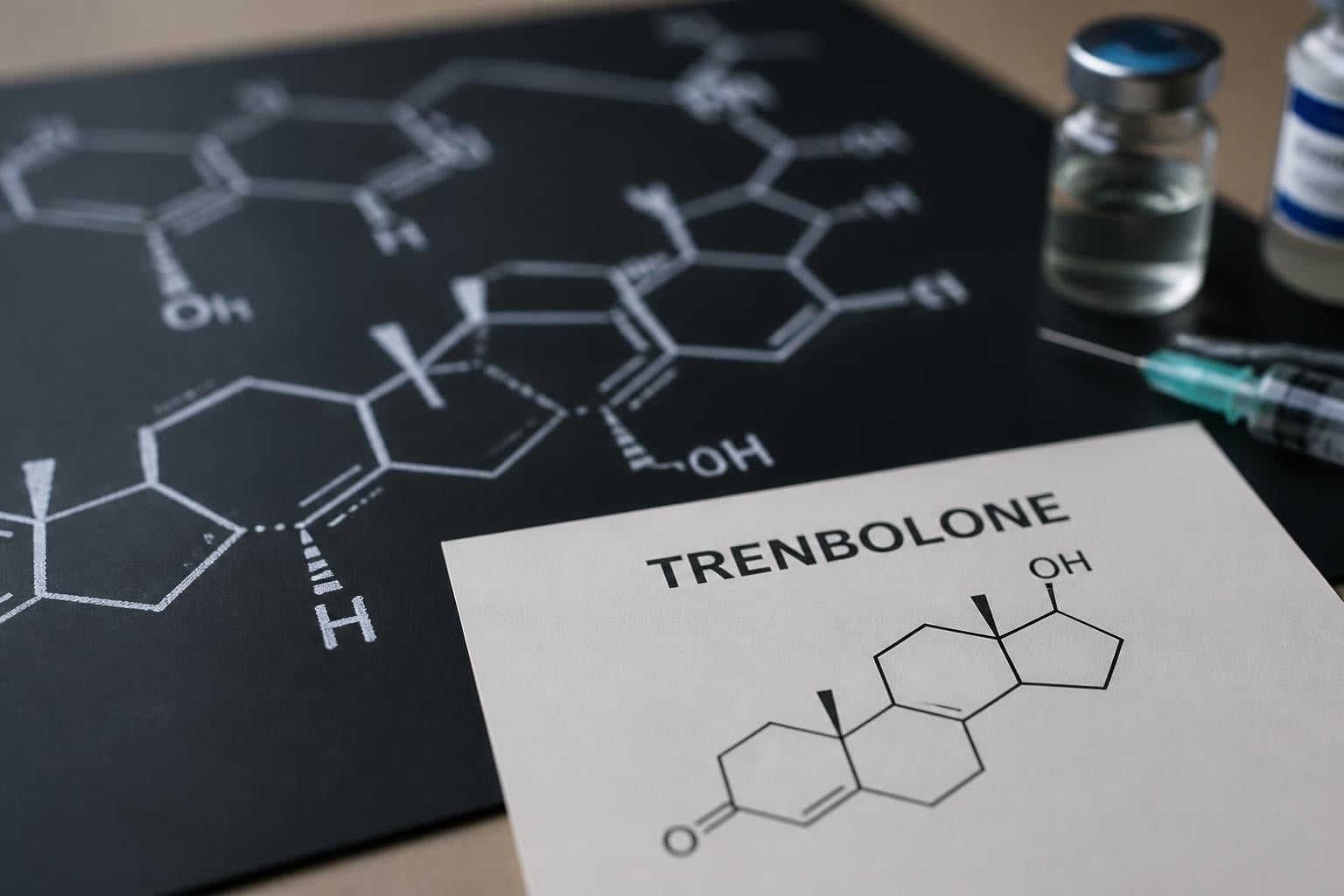
Trenbolone stands as one of the most potent anabolic steroids ever developed, originally synthesized for veterinary use to increase muscle mass and feed efficiency in cattle. Despite never receiving approval for human use in any country, this compound has gained widespread attention in bodybuilding and athletic circles due to its exceptional anabolic properties. Understanding trenbolone requires examining its origins, mechanism of action, associated health risks, legal status, and the reasons why medical professionals universally discourage its use outside legitimate veterinary applications.
Origins and Veterinary Applications
Trenbolone acetate was first synthesized in the 1960s as a veterinary growth promotant. The Merck Veterinary Manual documents its approved use in beef cattle production, where it increases nitrogen retention, protein synthesis, and overall muscle mass while improving feed conversion ratios.
Agricultural applications strictly control dosing and administration. Cattle receive trenbolone through ear implants containing trenbolone acetate combined with estradiol. These pellets release the hormone gradually over several months, promoting lean muscle growth during the finishing period before slaughter.
Commercial Formulations
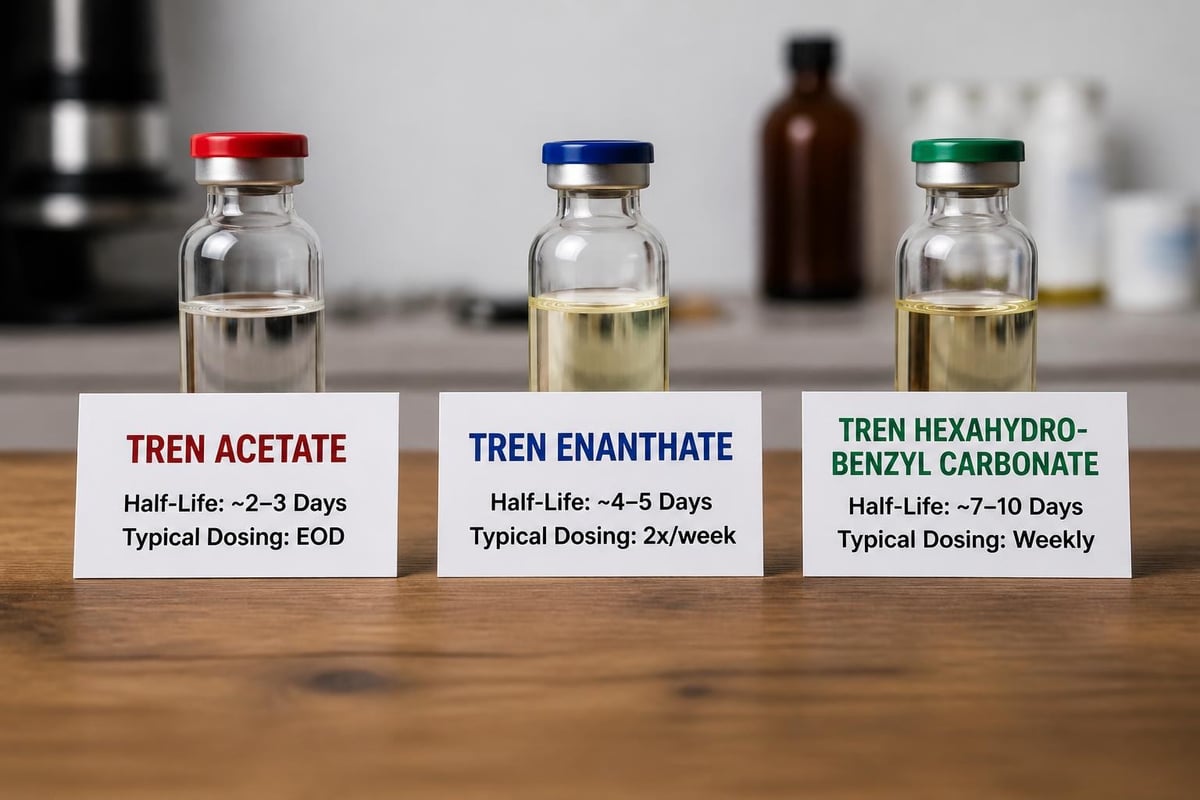
Three primary ester variants exist in veterinary medicine:
- Trenbolone acetate: Fastest-acting form with a half-life of approximately 1-2 days
- Trenbolone enanthate: Medium-duration ester lasting 5-7 days
- Trenbolone hexahydrobenzylcarbonate: Longest-acting variant with extended release
Each formulation differs in release rate and duration of action, though all share the same active steroid molecule. Veterinary products must meet strict manufacturing standards and include mandatory withdrawal periods before animals enter the food supply.
Mechanism of Action and Anabolic Properties
Trenbolone binds to androgen receptors with approximately 3-5 times the affinity of testosterone. This exceptional binding strength drives dramatic increases in protein synthesis, nitrogen retention, and red blood cell production. The compound resists conversion to estrogen through aromatase enzymes, eliminating estrogen-related side effects common with other anabolic steroids.
The steroid’s anabolic-to-androgenic ratio reaches approximately 500:500, compared to testosterone’s baseline 100:100. This numerical representation indicates trenbolone produces five times the muscle-building effects of an equivalent testosterone dose, alongside equally amplified androgenic effects.
Metabolic Effects
Beyond androgen receptor activation, trenbolone influences multiple metabolic pathways:
- IGF-1 elevation: Increases insulin-like growth factor production in muscle tissue
- Glucocorticoid suppression: Blocks cortisol binding to receptors, reducing muscle breakdown
- Nutrient efficiency: Enhances the body’s ability to extract and utilize nutrients from food
- DNA activity: Directly stimulates DNA synthesis in muscle cells
| Metabolic Pathway | Effect | Magnitude vs. Testosterone |
|---|---|---|
| Protein synthesis | Increased | 400-500% |
| Nitrogen retention | Enhanced | 300-400% |
| Red blood cell production | Elevated | 200-300% |
| Fat metabolism | Accelerated | 150-200% |
These combined mechanisms explain why veterinary applications produce such efficient muscle growth in livestock. However, these same pathways create significant health risks when humans use the compound.
Health Risks and Adverse Effects
A recent multicountry study published in BMC Medicine compared health outcomes between anabolic steroid users who did and did not use trenbolone. The research documented substantially higher rates of adverse effects across multiple organ systems in trenbolone users, including cardiovascular, hepatic, endocrine, and psychological complications.
Cardiovascular Complications
Trenbolone produces particularly severe cardiovascular strain. The Frontiers in Cardiovascular Medicine review details how anabolic steroids, including trenbolone, contribute to cardiomyopathy development through multiple mechanisms: left ventricular hypertrophy, arterial stiffness, altered lipid profiles, and increased thrombotic risk.
Blood pressure elevation occurs rapidly and often reaches hypertensive crisis levels. The compound dramatically worsens cholesterol profiles by suppressing HDL (good cholesterol) while elevating LDL (bad cholesterol). These lipid changes accelerate atherosclerosis and coronary artery disease risk.

Hepatotoxicity
LiverTox documentation from NCBI describes anabolic steroid-induced liver injury patterns. While trenbolone isn’t methylated at the 17-alpha position like oral steroids, it still produces hepatic stress through alternative mechanisms. Users report elevated liver enzymes, cholestasis, and in rare cases, peliosis hepatis (blood-filled cysts in liver tissue).
The veterinary formulations designed for intramuscular injection in cattle contain carrier oils and preservatives unsuitable for human use. Underground laboratory versions lack quality control, potentially containing contaminants, incorrect doses, or entirely different compounds.
Endocrine Disruption
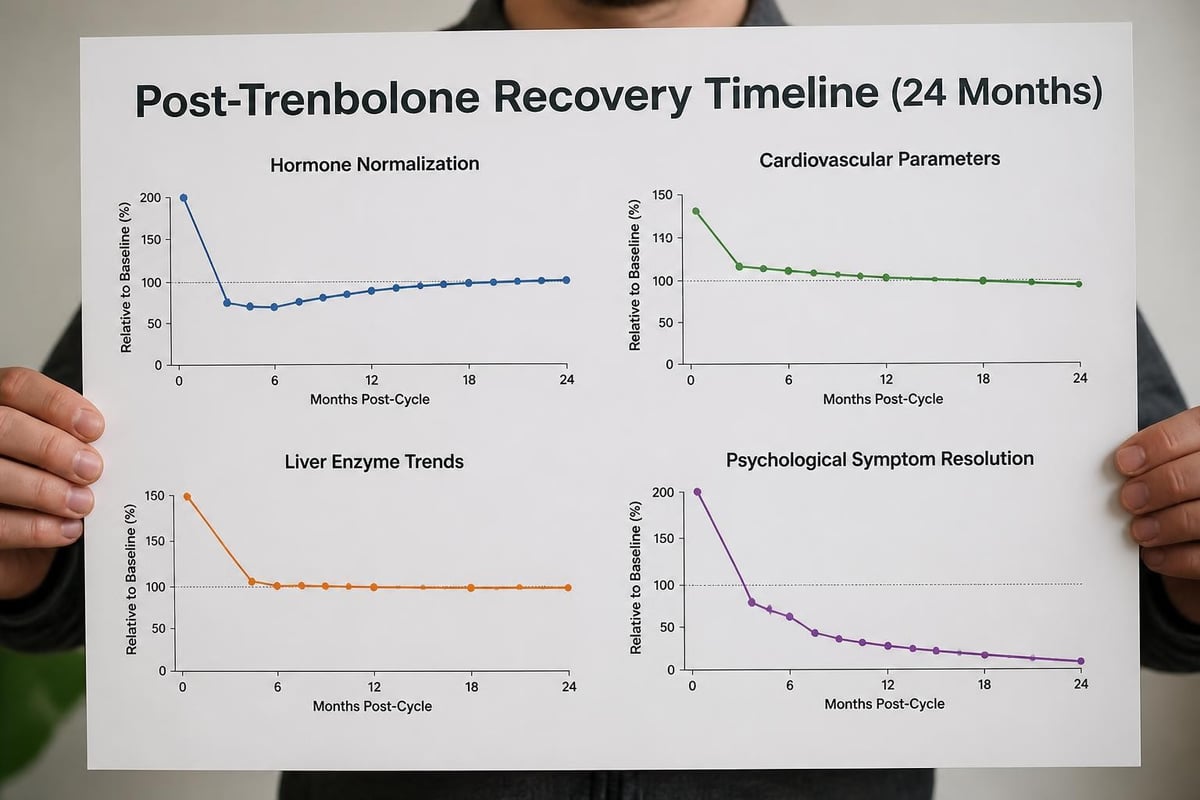
Trenbolone suppresses natural testosterone production more severely than most anabolic steroids. The hypothalamic-pituitary-gonadal axis shuts down completely within days of administration. Recovery after discontinuation often requires months or years, and some users never regain normal hormone function.
Additional endocrine effects include:
- Prolactin elevation leading to gynecomastia and sexual dysfunction
- Thyroid hormone disruption affecting metabolism and energy
- Insulin sensitivity changes increasing diabetes risk
- Complete suppression of spermatogenesis causing infertility
Psychological and Behavioral Changes
Users frequently report severe mood alterations nicknamed “tren rage” in bodybuilding communities. Anxiety, irritability, aggression, insomnia, and night sweats occur commonly. Some individuals develop paranoid ideation or experience existing mental health conditions worsening dramatically.
The compound’s effect on the central nervous system extends beyond mood. Many users report profuse sweating, particularly during sleep, alongside breathing difficulties and increased body temperature. These autonomic nervous system changes persist throughout use and sometimes continue after discontinuation.
Legal and Regulatory Status
The United States Drug Enforcement Administration classifies trenbolone as a Schedule III controlled substance under the Anabolic Steroid Control Act. The Federal Register documentation details DEA rulemaking regarding anabolic steroids, including decisions on trenbolone acetate exemptions for veterinary use and the regulatory framework controlling its distribution.
Possession, distribution, or use of trenbolone without proper veterinary authorization constitutes a federal crime. Penalties include:
- First offense possession: Up to one year imprisonment and minimum $1,000 fine
- Second offense possession: Up to two years imprisonment and minimum $2,500 fine
- Distribution or trafficking: Up to five years imprisonment and $250,000 fine
- Enhanced penalties for distribution to minors or near schools
International Regulations
Most countries maintain similar prohibitions. The European Union bans trenbolone use in food-producing animals, creating trade restrictions on imported beef from countries permitting its veterinary use. Canada, Australia, and New Zealand all classify trenbolone as a controlled substance requiring prescriptions that are never issued for human use.
Anti-Doping and Detection
The World Anti-Doping Agency lists trenbolone as a prohibited anabolic agent under Section S1.1 of the Prohibited List. Athletes testing positive face suspensions ranging from two to four years depending on circumstances and intent demonstration.
Modern laboratory techniques detect trenbolone metabolites in urine samples for weeks to months after last use. Gas chromatography-mass spectrometry (GC-MS) and liquid chromatography-mass spectrometry (LC-MS) identify specific metabolites with exceptional sensitivity, detecting concentrations measured in picograms per milliliter.
Case Law and Precedents
Sports arbitration cases provide insight into trenbolone enforcement. The Court of Arbitration for Sport documentation includes multiple awards addressing trenbolone adverse analytical findings. Athletes rarely succeed in challenging these results given the compound’s lack of any legitimate medical use in humans and the sophistication of modern testing protocols.
Contaminated supplement defenses occasionally succeed, as trenbolone occasionally appears as an unlisted ingredient in unregulated dietary supplements. However, athletes bear strict liability for substances entering their bodies, and panels typically impose reduced rather than eliminated sanctions in contamination cases.
Medical Perspective and Harm Reduction
No legitimate medical use exists for trenbolone in humans. The compound never completed clinical trials for human applications and carries risks that far outweigh any potential benefits. Medical professionals universally discourage its use and work to educate patients about safer alternatives for performance enhancement or physique development.
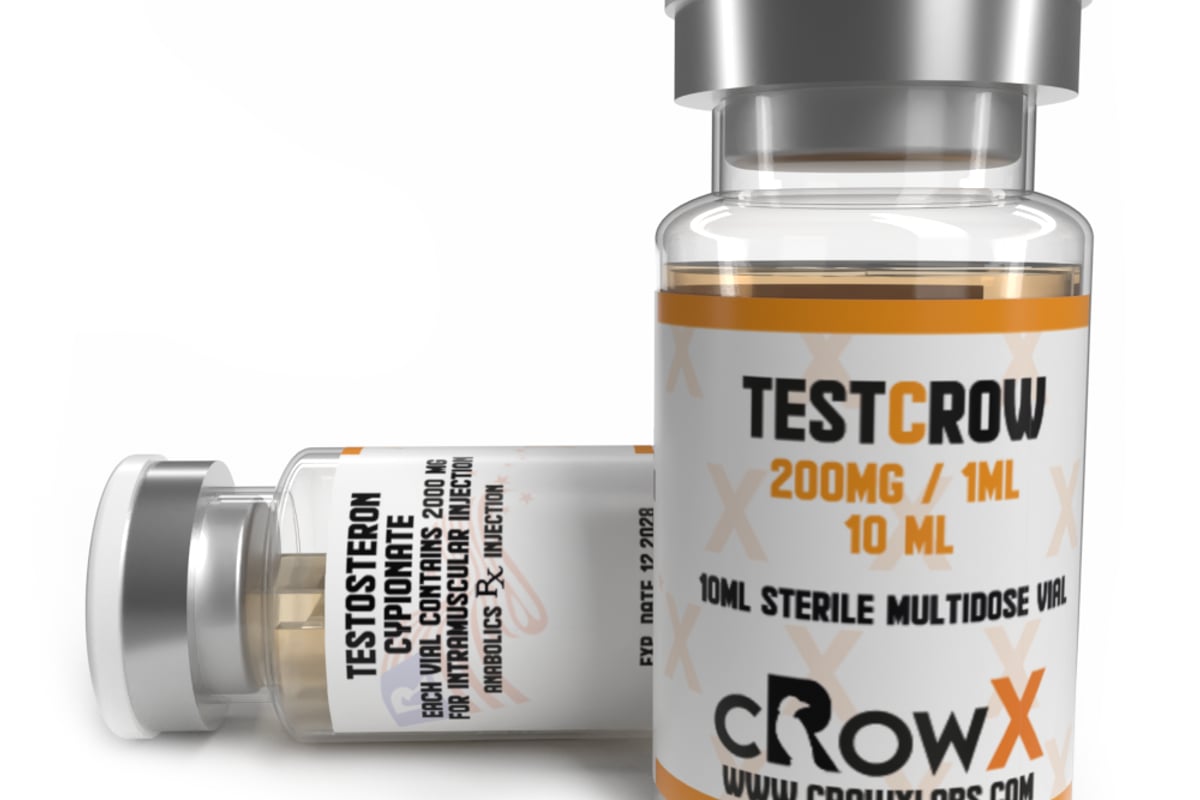
For individuals seeking testosterone optimization, pharmaceutical-grade testosterone replacement therapy under medical supervision offers a proven, legal, and substantially safer alternative. Products like Testosterone Cypionate 200mg provide regulated, tested formulations when prescribed appropriately for clinically diagnosed low testosterone conditions.
Clinical Management of Complications
Healthcare providers treating patients with trenbolone-related complications face unique challenges. The compound’s long tissue residence time means effects persist weeks after last administration. Treatment approaches include:
| Complication | Management Approach | Duration |
|---|---|---|
| Hypogonadism | HCG, SERMs, patience | 6-24 months |
| Cardiovascular stress | ACE inhibitors, statins, monitoring | Ongoing |
| Hepatotoxicity | Discontinuation, supportive care | Variable |
| Psychiatric symptoms | Counseling, potential medication | 3-12 months |
Recovery requires patience and comprehensive medical support. Some individuals never fully regain baseline function, particularly regarding natural testosterone production and cardiovascular health.
Underground Market and Quality Concerns
Most trenbolone available outside veterinary channels originates from unregulated underground laboratories. These operations lack quality control, proper manufacturing standards, or ingredient verification. Testing by independent laboratories reveals common problems:
- Incorrect concentrations: Actual content varying 50-200% from label claims
- Contamination: Bacteria, heavy metals, or other steroids present
- Carrier oil issues: Non-sterile oils causing infections and abscesses
- Counterfeit products: Entirely different compounds substituted
Injection site infections, abscesses, and systemic infections occur frequently with underground laboratory products. Some cases progress to life-threatening sepsis requiring hospitalization and intravenous antibiotics.
Economic and Supply Chain Factors
The veterinary pharmaceutical industry produces trenbolone acetate for legitimate cattle operations. Diversion from agricultural supply chains represents one source, though theft and inventory control measures limit this route. Most underground products originate from raw powder imported from chemical manufacturers, then formulated in clandestine laboratories lacking pharmaceutical manufacturing expertise or equipment.
Pricing varies dramatically based on source, concentration, and ester type. Underground market prices typically range from $50 to $150 per 10mL vial, with significant quality variation across this price spectrum. Higher prices don’t guarantee better quality given the unregulated nature of these products.
Research and Future Directions
Academic research continues examining trenbolone’s environmental impact, particularly regarding its persistence in water systems downstream from agricultural operations. The compound’s endocrine-disrupting properties affect aquatic wildlife, raising ecological concerns beyond direct human health effects.
Some researchers investigate whether trenbolone’s mechanisms might inform development of selective androgen receptor modulators (SARMs) or other compounds with anabolic benefits but reduced side effects. However, trenbolone’s inherent properties make it an unlikely template for human therapeutic development given its severe adverse effect profile.
Medical literature increasingly documents long-term complications among former users. Longitudinal studies track cardiovascular outcomes, fertility recovery, and quality-of-life measures years after discontinuation. This growing evidence base helps inform harm reduction strategies and counseling approaches for individuals considering or currently using anabolic steroids.
The scientific community recognizes trenbolone as a valuable research tool for understanding androgen receptor biology and muscle physiology in controlled laboratory settings. Animal studies using trenbolone have elucidated mechanisms of muscle growth, satellite cell activation, and protein synthesis regulation. These insights contribute to developing legitimate medical therapies for muscle-wasting conditions without requiring direct human use of the compound itself.
Understanding trenbolone’s potent effects and severe risks remains essential for anyone researching anabolic steroids, whether for agricultural applications, anti-doping enforcement, or medical education. The compound represents one extreme of anabolic potency alongside correspondingly extreme health hazards. For those seeking performance enhancement or hormone optimization through legal and safer channels, working with legitimate suppliers and medical professionals offers a responsible path forward. 24-7.is provides access to regulated products and information for individuals navigating these decisions under appropriate medical guidance.