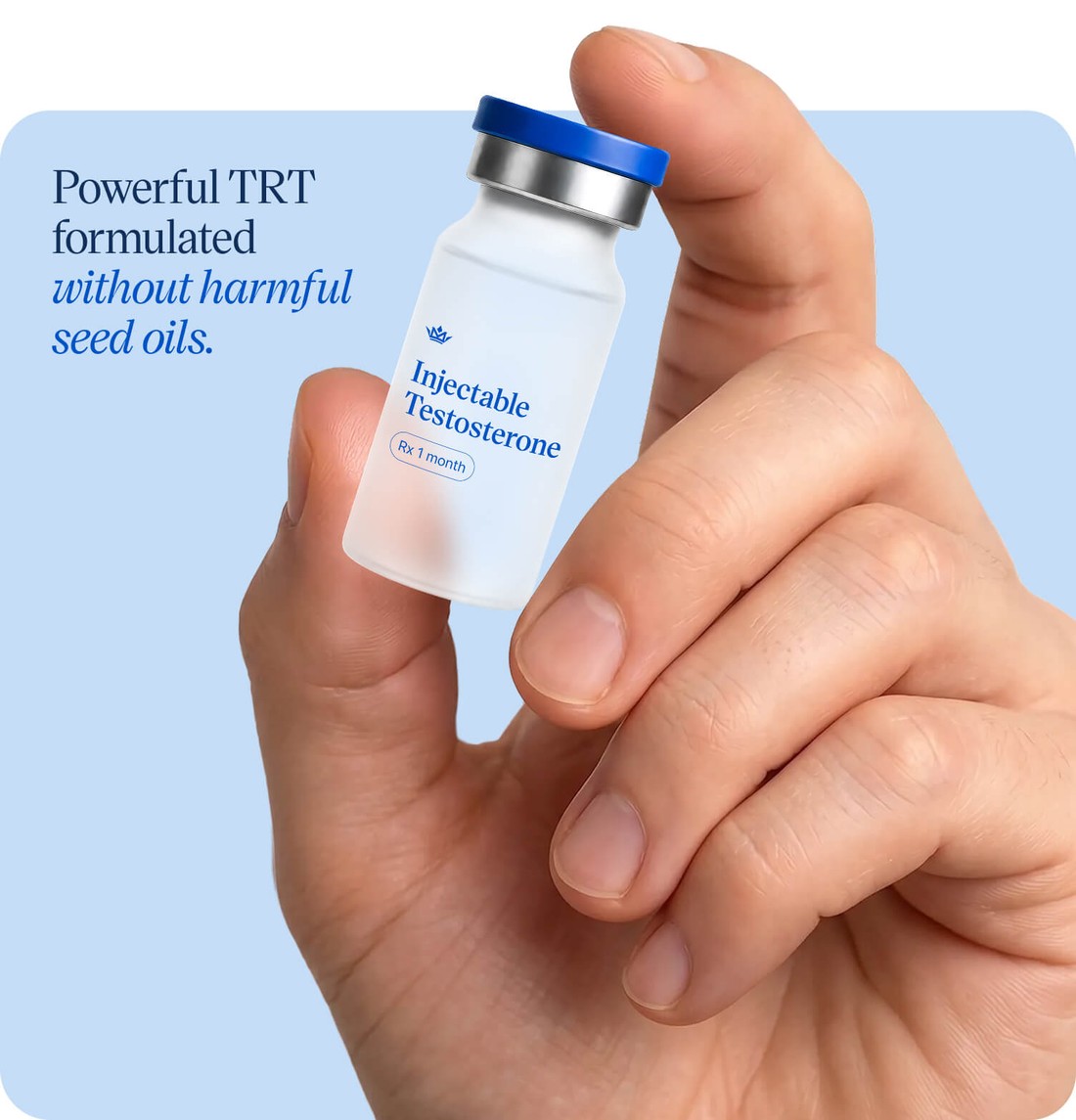

Understanding the Basics of a Testosterone Cycle
Understanding the Testosterone Cycle
Testosterone cycles are crucial for those seeking to enhance muscle growth, boost athletic performance, or address hormonal deficiencies. This biological process involves the systematic administration of testosterone to optimize physical and physiological outcomes while mitigating potential side effects.
Introduction
Testosterone, a vital hormone found predominantly in males, plays an essential role in various bodily functions. From muscle development to maintaining libido and bone density, its significance cannot be overstated. However, natural production levels may sometimes require enhancement, leading individuals to explore a testosterone cycle. This article delves into the intricacies of testosterone cycles, offering insights into their benefits, potential risks, and best practices.
What Is a Testosterone Cycle?
A testosterone cycle refers to the period during which an individual administers testosterone supplements or derivatives. This process aims to achieve desired physiological changes while allowing time for the body to recover. A typical cycle may last between 6 to 12 weeks, with variations based on individual goals and medical guidance.
Common Types of Testosterone Used
- Testosterone Enanthate
- Testosterone Cypionate
- Testosterone Propionate
- Testosterone Suspension
These variations differ in terms of the release rate and duration of activity in the body, offering tailored benefits for different cycle goals.
Benefits of a Testosterone Cycle
Engaging in a testosterone cycle can yield several benefits. Primarily, individuals may experience enhanced muscle mass, increased strength, and improved recovery times post-exercise. Moreover, testosterone naturally boosts metabolic function, which can contribute to fat reduction.
Additionally, many individuals report elevated mood and mental clarity during and after a cycle, as testosterone influences neurotransmitter activity.
Potential Risks and Side Effects
While beneficial, testosterone cycles are not without risk. Potential side effects include:
- Hormonal imbalances
- Increased aggression or mood swings
- Cardiovascular strain
- Kidney or liver stress
- Testicular atrophy
Given these risks, it is vital to approach testosterone supplementation under medical supervision and with comprehensive understanding.
Best Practices for a Successful Cycle
Embarking on a testosterone cycle requires careful planning. Adhering to best practices ensures effectiveness while minimizing adverse effects:
- Consult with healthcare professionals before beginning any cycle.
- Adhere to recommended dosages and cycle lengths.
- Incorporate post-cycle therapy (PCT) to restore natural hormone production.
- Maintain a balanced diet rich in proteins, vitamins, and minerals.
- Engage in regular strength training and cardiovascular exercise.
- Monitor health markers regularly to detect any changes early.
Alternatives and Complementary Approaches
For those cautious about potential side effects, exploring alternatives could be beneficial. Natural testosterone boosters and lifestyle changes such as resistance training, stress management, and improved sleep quality can support hormonal health without external administration.
More comprehensive insights on managing testosterone effectively can be found on the Endocrine Society’s website, offering thorough guidelines for individuals considering hormonal treatments.
Conclusion
The decision to embark on a testosterone cycle should be informed by comprehensive knowledge and professional guidance. Weighing the benefits against potential risks is crucial for maximizing positive outcomes while safeguarding health. Individuals are encouraged to stay informed and vigilant throughout their journey.
FREE SHIPPING
BIG SALE | FAST SHIPPING
HOT PROMOTIONS!

Beligas PT-141 10mg 1 + 1 BA Liquid

Original price was: $ 81.00.$ 71.00Current price is: $ 71.00.
CROWX 👑 ViaRow 50 tab | Viagra 100mg | Sildenafil
Original price was: $ 171.00.$ 111.00Current price is: $ 111.00.
ZPHC Winstrol Stanozolol 10mg x 100 Tablets
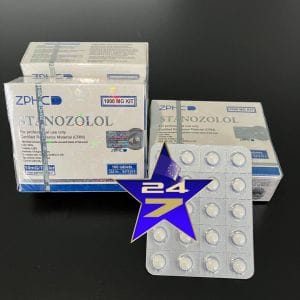
Original price was: $ 219.00.$ 119.00Current price is: $ 119.00.

Beligas Prime Testosterone (Suspension) 100mg
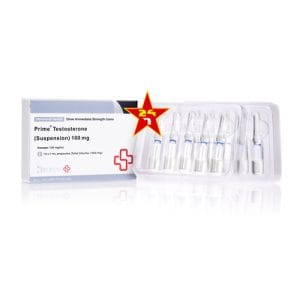
Original price was: $ 101.00.$ 71.00Current price is: $ 71.00.
SUSTANON 300MG BLEND AXIOM 10ML
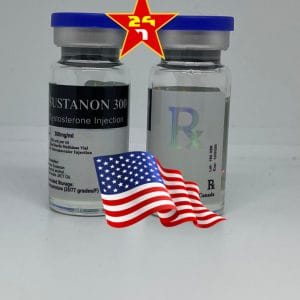
Original price was: $ 229.00.$ 119.00Current price is: $ 119.00.
ILLUSTRA BRAND | Liquid BAC water 10ml BA+0.9% Benzyl Alcohol

Original price was: $ 67.00.$ 46.00Current price is: $ 46.00.
FAQ
What is the purpose of a testosterone cycle?
The primary purpose of a testosterone cycle is to enhance physical performance, muscle mass, and address hormonal deficiencies through controlled administration of testosterone.
How long does a typical testosterone cycle last?
A standard testosterone cycle lasts between 6 to 12 weeks, though durations vary based on individual goals and medical advice.
Are there natural ways to boost testosterone?
Yes, regular exercise, a balanced diet, stress management, and adequate sleep are natural methods to support testosterone levels without supplementation.
What are some common side effects of testosterone cycles?
Common side effects include hormonal imbalances, increased aggression, cardiovascular strain, and potential kidney or liver stress. Monitoring and medical oversight are crucial.
Is post-cycle therapy necessary?
Post-cycle therapy (PCT) is recommended to help restore natural hormone production and mitigate withdrawal effects after completing a testosterone cycle.
For further details on testosterone-related therapies and research, consult the Mayo Clinic’s official site, known for its comprehensive health information.