What is Testosterone Replacement Therapy (TRT)?
Introduction
Testosterone Replacement Therapy (TRT) is increasingly recognized as a treatment for men facing low testosterone levels, also known as hypogonadism. These lower levels can attribute to various symptoms, from fatigue and reduced libido to mood changes and loss of muscle mass. In this article, we will explore what TRT is, its benefits, potential risks, and who might be a suitable candidate for this therapy.
Understanding Testosterone
Testosterone is a vital hormone predominantly produced in the testes. It plays a crucial role in several bodily functions, including:
- Regulation of libido and sexual function
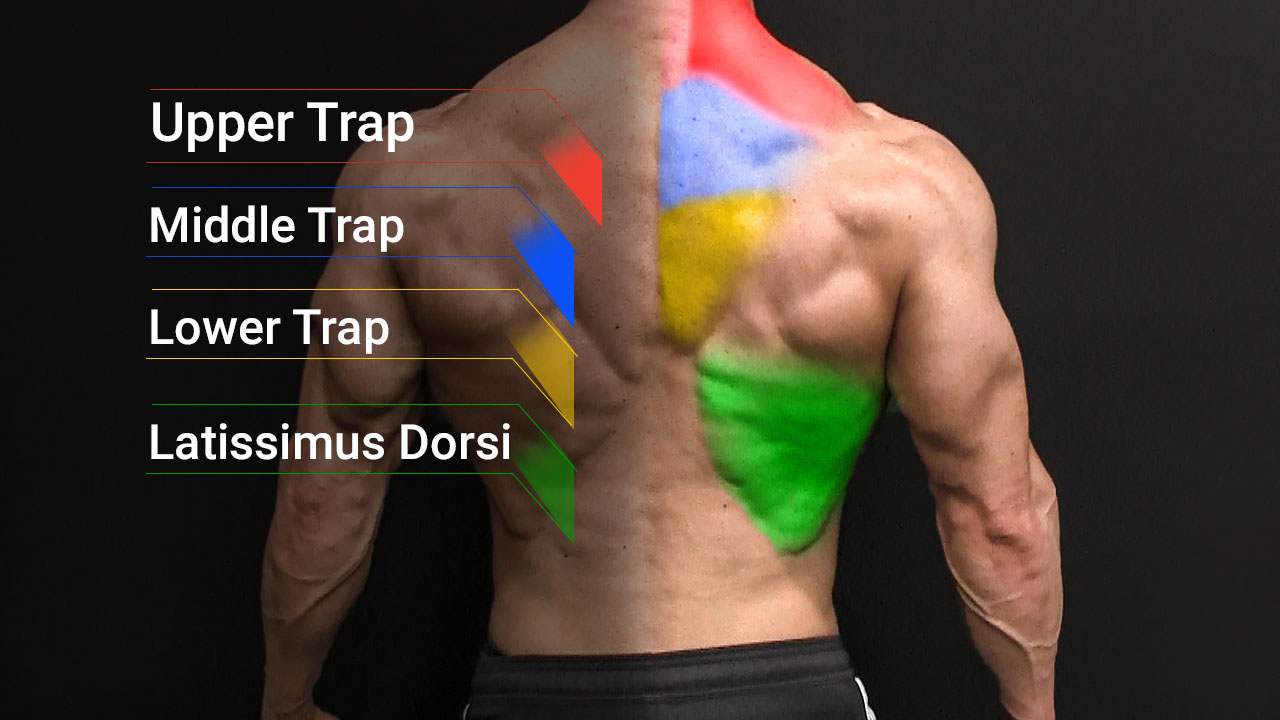
- Maintaining muscle mass and strength
- Supporting bone density
- Influencing mood and cognitive functions
As men age, testosterone levels naturally decline. Although this is a normal part of aging, some may experience significantly low levels that could require intervention.
What is Testosterone Replacement Therapy (TRT)?
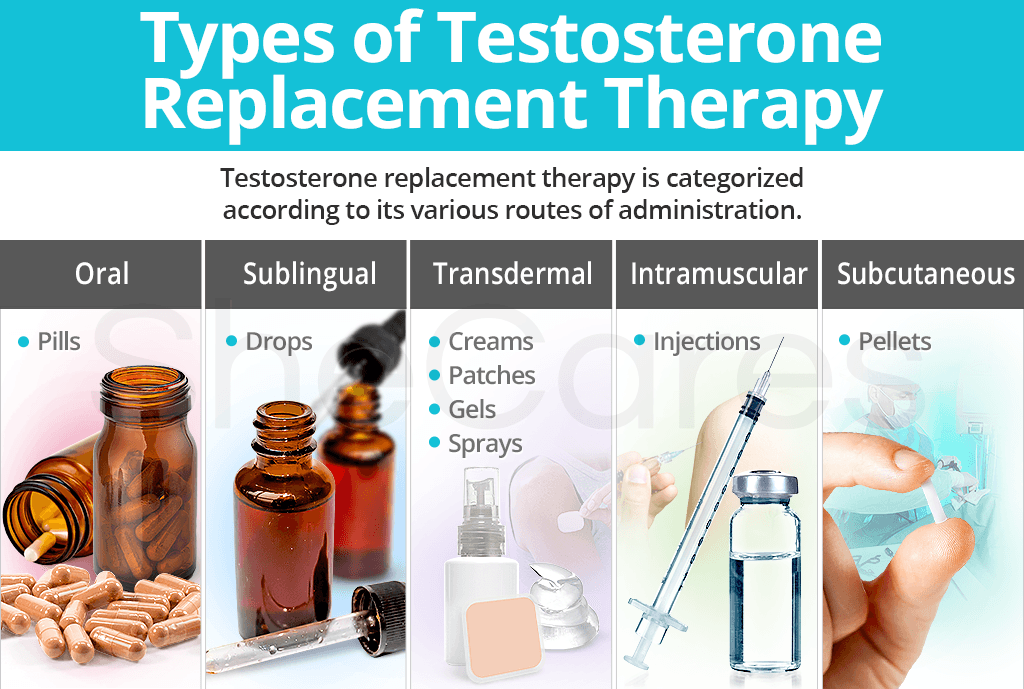
TRT includes various methods of administering testosterone to help restore its levels in men who have clinically low levels. Treatments might include injections, patches, gels, or pellets, each with its own set of benefits and considerations. The goal of TRT is to alleviate symptoms associated with low testosterone levels while monitoring potential side effects.
How is TRT Administered?
There are several methods through which testosterone therapy can be delivered:
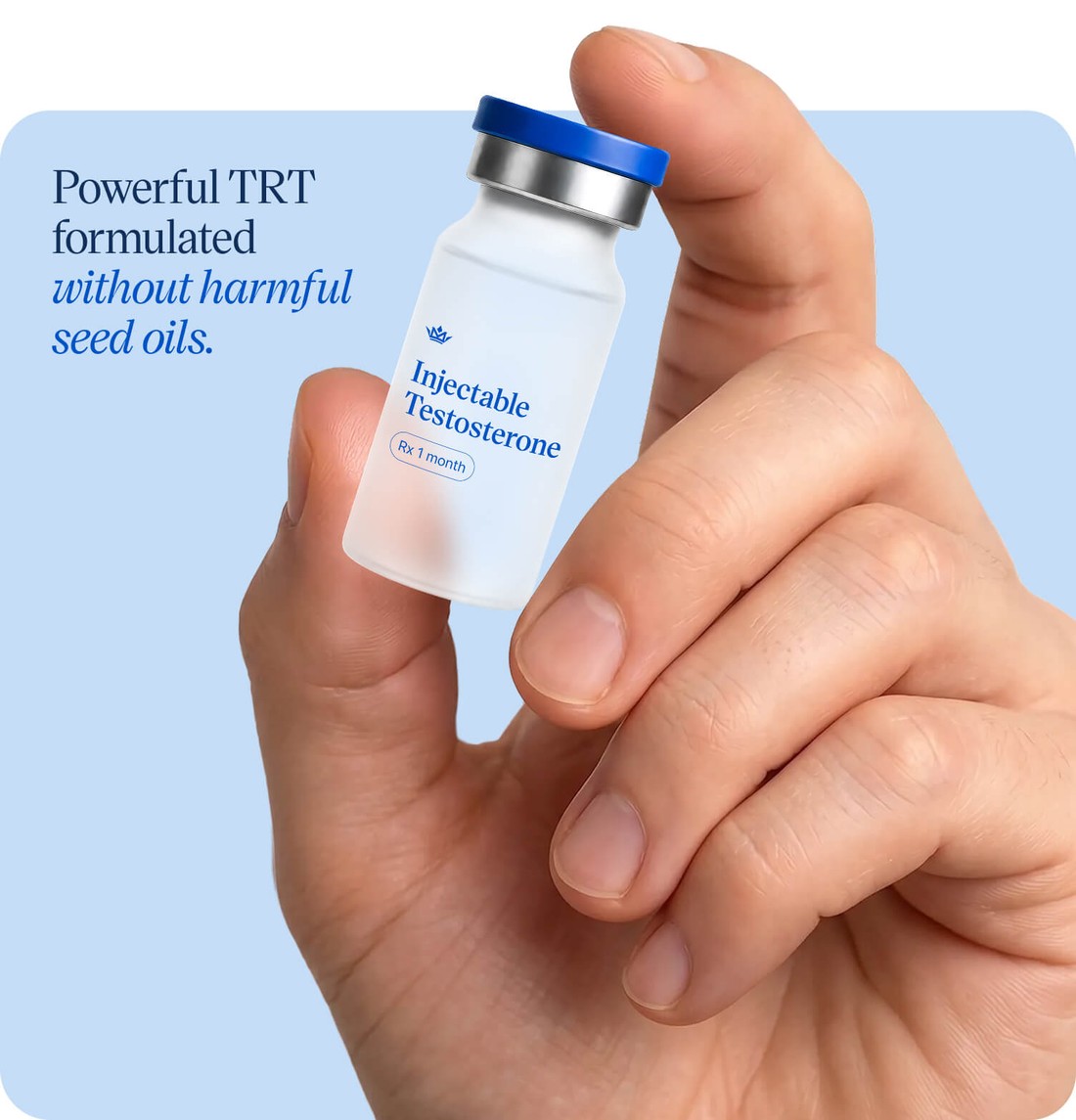
- Injections: Typically administered every one to two weeks, these can be intramuscular or subcutaneous.
- Gels: Transdermal gels offer a convenient application, allowing testosterone to absorb through the skin daily.
- Patches: Similar to gels, these are applied to the skin and deliver a steady dose throughout the day.
- Pellets: Implanted under the skin, pellets provide a slow release of testosterone over several months.
Benefits of Testosterone Replacement Therapy
Men undergoing TRT often report a range of benefits, which may include:
- Increased libido and sexual function
- Enhanced mood and reduced anxiety
- Improved energy levels and reduced fatigue
- Increased muscle mass and strength
- Enhanced bone density
Potential Risks and Side Effects
While TRT offers several potential benefits, it is not without risks. Common side effects may include:
- Acne or oily skin
- Breast enlargement or tenderness
- Increased red blood cell count
- Sleep apnea
- Potential for prostate growth
Furthermore, cardiac risks have been a topic of investigation, reminding patients of the importance of regular monitoring throughout treatment.
Are You a Candidate for TRT?
TRT isn’t suitable for everyone. A healthcare professional typically evaluates candidates through:
- Blood tests to confirm low testosterone levels
- Discussion of symptoms experienced
- Assessment of overall health and medical history
It is crucial to rule out other causes of symptoms before initiating treatment.
Monitoring During Testosterone Replacement Therapy
Regular check-ups are essential for anyone undergoing TRT. Monitoring may include:
- Periodic blood tests to assess testosterone levels
- Evaluation of red blood cell counts
- Tracking side effects and managing any arising issues
Open communication with healthcare providers ensures the most effective and safe treatment experience.
Alternatives to TRT
For men not suitable for TRT, lifestyle changes may help elevate testosterone levels naturally. Suggestions include:
- Regular exercise, particularly strength training
- Healthy diet rich in vitamins and minerals
- Weight management and reducing body fat
- Adequate sleep and stress management
These changes can serve not only to possibly increase testosterone levels but also contribute to overall well-being.
Conclusion
Testosterone Replacement Therapy (TRT) can significantly enhance the quality of life for men suffering from low testosterone levels. While the benefits can be remarkable, it is essential to engage in a thorough assessment and ongoing monitoring under a healthcare professional’s supervision. By understanding the complexities of hormonal balance, individuals can make informed decisions about their health and treatment options.
Frequently Asked Questions (FAQ)
1. What is Testosterone Replacement Therapy (TRT)?
TRT is a medical treatment that aims to restore testosterone levels in men experiencing low testosterone, which can cause various physical and emotional symptoms.
2. Who should consider undergoing TRT?
Men facing symptoms of low testosterone confirmed through blood tests may be candidates for TRT, but it should be evaluated on a case-by-case basis.
3. What are the main benefits of TRT?
Benefits can include improved mood, increased energy, enhanced sexual function, and better muscle strength.
4. Are there risks associated with TRT?
Yes, potential risks include skin reactions, increased red blood cell count, and prostate growth. Regular monitoring is recommended to manage these risks.
5. Can lifestyle changes help with low testosterone?
Absolutely. Regular exercise, a balanced diet, and healthy lifestyle choices can positively impact testosterone levels in some men.
6. How long does it take to notice the effects of TRT?
Many men start to notice improvements within a few weeks, but full effects can take several months to manifest.
For additional information, consider visiting Mayo Clinic and NIH for comprehensive resources.