
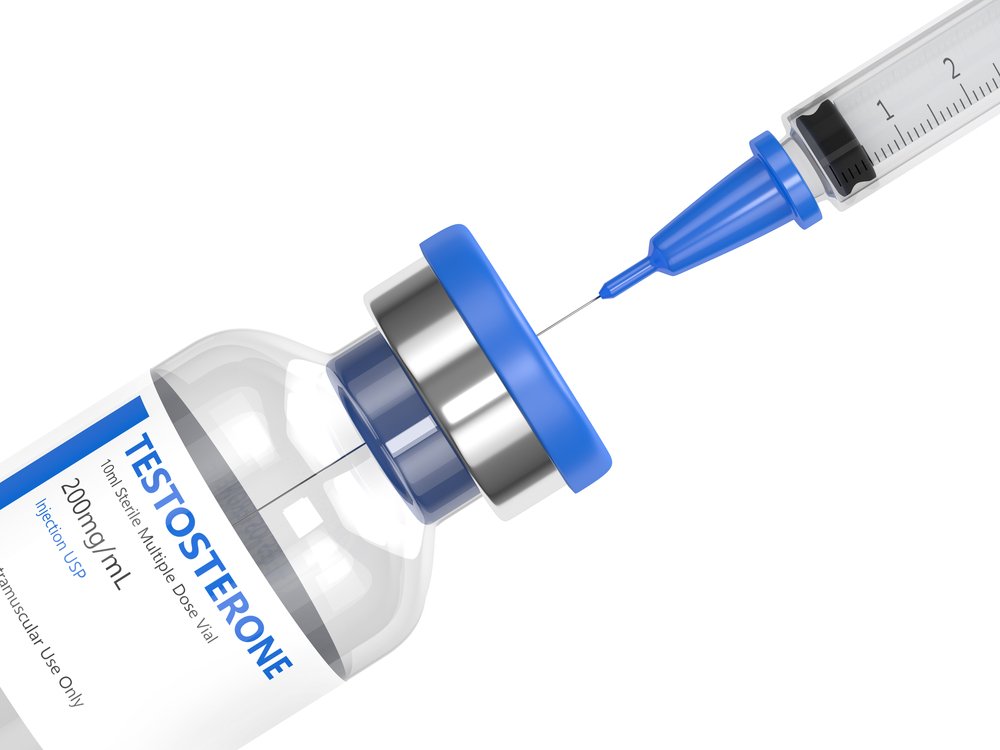
Can testosterone be increased through lifestyle changes?
Introduction
Testosterone plays a vital role in overall health, influencing everything from muscle mass and energy levels to mood and libido. As men (and women) age, levels of this crucial hormone can decline, leading many to ask, Can testosterone be increased through lifestyle changes? This article explores various lifestyle factors that can positively impact testosterone levels, backed by scientific research and practical advice.
Understanding Testosterone and Its Importance
Testosterone is often referred to as the primary male sex hormone, but it’s also present in women, albeit at lower levels. It is produced in the testes in men and in the ovaries and adrenal glands in women. Here are some vital functions of testosterone:
- Regulates libido and sexual function
- Contributes to muscle mass and strength
- Impacts mood and cognitive functions
- Helps maintain bone density
- Supports fat distribution
Low testosterone levels can lead to various health issues, including fatigue, depression, and reduced muscle mass. Understanding how lifestyle changes can help restore healthy testosterone levels is essential for many.
Dietary Adjustments
One of the most impactful ways to influence testosterone levels is through diet. Consuming a balanced diet that includes a variety of nutrients can significantly affect hormonal health.
Key Nutrients for Testosterone Production
Here are some essential nutrients that play a role in testosterone production:
- Zinc: Important for hormone production. Foods rich in zinc include oysters, beef, beans, and nuts.
- Vitamin D: Essential for overall health. Sun exposure helps the body produce Vitamin D, but it can also be obtained from fortified foods or supplements.
- Healthy Fats: Monounsaturated and saturated fats can encourage hormone production. Avocados, nuts, olive oil, and egg yolks are excellent sources.
Avoiding Processed Foods
Processed foods, particularly those high in sugars and unhealthy fats, can negatively impact testosterone levels. Refined carbohydrates, excessive sugar, and trans fats should be minimized to maintain hormonal balance. Instead, focus on whole foods that nourish the body.
Physical Activity Plays a Role
Regular physical activity is another crucial lifestyle factor. Exercise has been shown to boost testosterone levels, particularly resistance training and high-intensity interval training (HIIT).
Benefits of Strength Training
Strength training enhances testosterone production. Research indicates that lifting weights can lead to significant increases in testosterone levels:
- Focus on compound exercises (e.g., squats, deadlifts, bench presses) that engage multiple muscle groups.
- Incorporate a mixture of heavy lifting with lower repetitions and moderate weights with higher repetitions.
High-Intensity Interval Training
HIIT workouts, which involve short bursts of intense exercise followed by rest, can also help promote healthy testosterone levels. Aim for 20-30 minutes of HIIT sessions a few times a week.
Managing Stress Levels
Chronic stress can lead to elevated cortisol levels, which may inhibit testosterone production. Managing stress is thus essential for hormonal balance.
Stress Management Techniques
Consider adopting stress-management techniques such as:
- Mindfulness meditation
- Yoga or tai chi
- Deep-breathing exercises
- Regular physical activity, which doubles as an effective stress reliever
Finding healthy outlets for stress can foster a better hormonal environment.
Quality Sleep Matters
Sufficient and quality sleep is crucial for maintaining testosterone levels. Studies have shown that testosterone production occurs primarily during sleep, particularly during REM cycles.
Improving Sleep Hygiene
To improve your sleep quality:
- Establish a regular sleep schedule, aiming for 7-9 hours of sleep per night.
- Create a restful sleeping environment, keeping your room dark, quiet, and cool.
- Avoid screens (phones, tablets, TVs) at least an hour before bedtime.
Quality sleep can dramatically affect not just testosterone, but overall health.
FREE SHIPPING
CLICK HERE!
HOT PROMOTIONS!


TB500 2MG, thymosin beta 4 FIERCE

Original price was: $ 402.00.$ 181.00Current price is: $ 181.00.
AXIOM ANAVAR OXANDROLONE 50MG 100 TABLETS

Original price was: $ 329.00.$ 227.00Current price is: $ 227.00.

Beligas 10ml Vial Propha Testosterone Propionate 150mg
Original price was: $ 179.00.$ 89.00Current price is: $ 89.00.
ZPHC Testosterone Cypionate 10ml 200mg/ml = 2000ml PER VIAL

Original price was: $ 210.00.$ 119.00Current price is: $ 119.00.



Maintaining a Healthy Weight
Obesity has a well-documented correlation with low testosterone levels. Carrying excess body fat, particularly around the abdomen, can lead to lower hormone levels.
Weight Management Strategies
Strategies for maintaining or achieving a healthy weight include:
- Combining nutritious eating with regular physical activity.
- Incorporating more fruits, vegetables, and whole grains into your diet while minimizing caloric intake from processed foods.
- Setting achievable goals and tracking your progress to stay motivated.
Conclusion
The question, Can testosterone be increased through lifestyle changes? is answered affirmatively by numerous studies and anecdotes. Diet, exercise, stress management, sleep quality, and weight maintenance all play integral roles in managing testosterone levels. By implementing beneficial lifestyle changes, individuals can promote their well-being and potentially enhance their testosterone production.
FAQ
1. What are the signs of low testosterone?
Common signs include fatigue, decreased libido, mood changes, and reduced muscle mass. If you experience these symptoms, consult a healthcare professional.
2. Can certain supplements help boost testosterone?
While some supplements like zinc, Vitamin D, and D-aspartic acid may assist in boosting levels, it’s best to consult a healthcare provider before starting any new regimen.
3. Does age affect testosterone levels?
Yes, testosterone levels typically decline with age, particularly after the age of 30.
4. How long do lifestyle changes take to impact testosterone levels?
It can vary, but noticeable improvements may appear within a few months with consistent lifestyle changes.
5. Are there any medical treatments for low testosterone?
Yes, testosterone replacement therapy (TRT) is an option for those with significantly low levels. Consult your doctor for advice tailored to your condition.
6. Can stress impact testosterone levels?
Absolutely. Chronic stress raises cortisol levels, which can inhibit testosterone production.