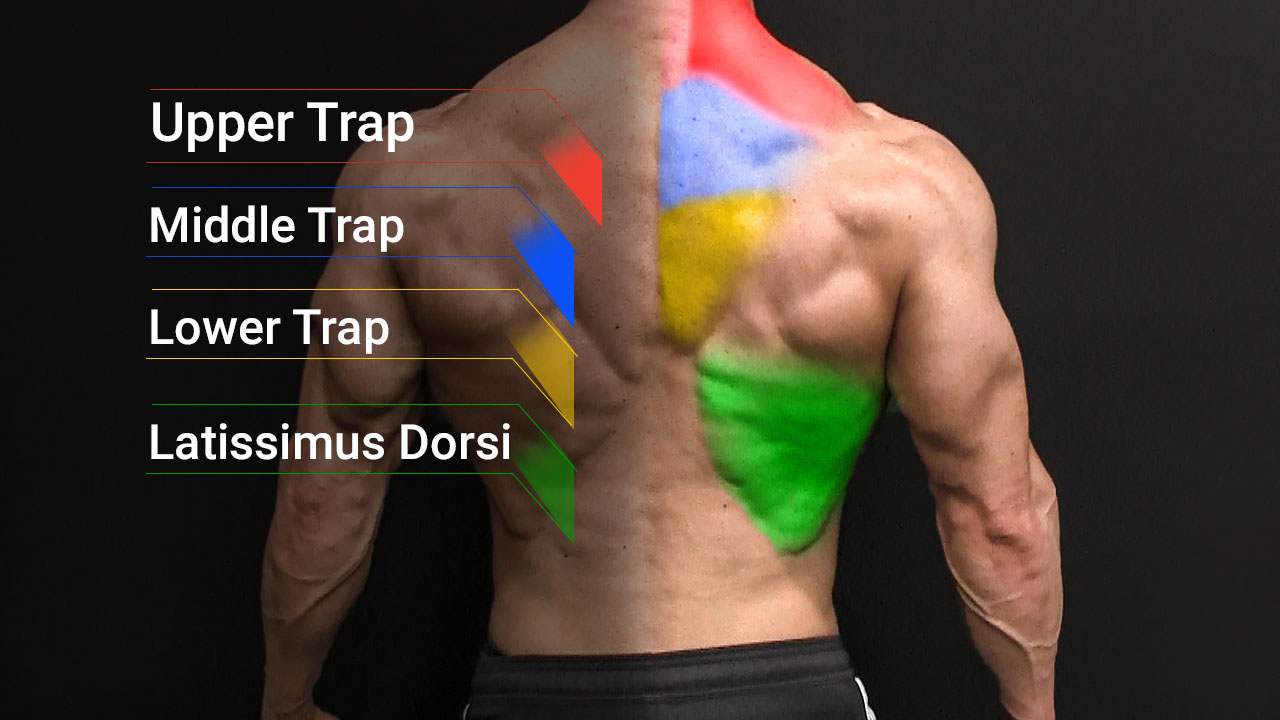

Does exercise impact long-term testosterone levels?
In the quest for enhanced health and fitness, many individuals often turn to exercise as a primary means of achieving their goals. A significant aspect of fitness, often overlooked, is the relationship between exercise and long-term testosterone levels in the body. So, does exercise impact long-term testosterone levels? This question is gaining importance, particularly among men, given the critical role testosterone plays in muscle mass, energy levels, and overall well-being.
Understanding Testosterone
Testosterone is a steroid hormone produced primarily in the testes in men and, to a lesser extent, in the ovaries in women. It serves various functions, including:
- Regulating muscle mass and strength
- Influencing libido and sexual function
- Supporting overall bone health
- Contributing to mood and cognitive functions
With natural levels of testosterone typically peaking during adolescence and early adulthood, many experience a gradual decline as they age. This has led to a heightened interest in finding effective strategies to maintain or boost testosterone levels, with exercise being a commonly recommended approach.
How Exercise Affects Testosterone Levels
Various studies have examined the relationship between physical activity and testosterone levels, producing a nuanced understanding of how exercise impacts these hormone levels over time.
Short-Term Effects of Exercise
Engaging in intense physical activity can lead to a temporary spike in testosterone levels. High-intensity workouts, such as resistance training and high-intensity interval training (HIIT), have been shown to cause acute increases in testosterone immediately following the exercise session. However, this boost tends to be short-lived.
Long-Term Effects of Regular Exercise
When considering the longer-term effects, the picture becomes more complex. Chronic exercise seems to have a more stabilized effect on testosterone levels. Regular physical activity, particularly resistance training, may help mitigate the decline in testosterone associated with aging and can lead to better overall hormonal balance. The key is consistency and choosing the right type of exercise.
Types of Effective Exercise
Different types of exercise can influence testosterone levels differently. Here are some effective forms:
- Strength Training: Lifting weights and resistance training have consistently shown to boost testosterone levels.
- High-Intensity Interval Training (HIIT): Short bursts of high-intensity exercise can lead to temporary spikes.
- Aerobic Exercise: Moderate aerobic activities may not have the same dramatic effects but are still beneficial for overall health.
It’s essential to note that while exercise can boost levels, overtraining—defined as excessive training without adequate rest—can, in fact, lead to lower testosterone levels. Striking the right balance is crucial.
FREE SHIPPING
CLICK HERE!
HOT PROMOTIONS!

BUY 3 GET 4 | CROWX | TESTEROW 300 MG/ 10 ML Vial (Test E)

Original price was: $ 129.00.$ 108.00Current price is: $ 108.00.
AXIOM TESTOSTERONE CYPIONATE 300MG 10ML

Original price was: $ 129.00.$ 109.00Current price is: $ 109.00.



Factors Influencing Testosterone Levels Besides Exercise
While exercise has a significant role, several other factors can also impact testosterone levels:
- Diet: A diet rich in healthy fats, lean proteins, and sufficient vitamins and minerals supports testosterone production.
- Sleep: Quality sleep is critical; studies show that poor sleep can significantly lower testosterone levels.
- Stress: Chronic stress elevates cortisol levels, which negatively affects testosterone.
Can You Boost Testosterone Levels Naturally?
Besides exercise, there are various lifestyle changes that can help maintain or enhance testosterone levels:
- Maintain a balanced diet rich in nutrients.
- Optimize sleep patterns to ensure both quality and quantity.
- Manage stress through mindfulness or relaxation techniques.
- Limit alcohol and avoid substances known to disrupt hormone levels.
Combining these changes with a consistent exercise regimen can produce better results for long-term testosterone levels.
Conclusion
In summary, the answer to the question, “Does exercise impact long-term testosterone levels?” is a resounding yes. Regular physical activity, especially resistance training and high-intensity workouts, can positively influence testosterone levels. However, sustainable hormone health is reliant on various factors, including diet, sleep, and stress management. By adopting a holistic approach that incorporates these elements, individuals can ensure they maintain healthy testosterone levels well into their later years.
FAQ
1. Can exercise increase testosterone levels in older men?
Yes, regular exercise, particularly strength training, can help mitigate the natural decline of testosterone levels in older men.
2. How long does the testosterone boost from exercise last?
The testosterone boost from intense exercise is often short-lived, peaking immediately after the workout before returning to baseline levels.
3. Are there risks associated with too much exercise?
Yes, excessive exercise without adequate recovery can lead to overtraining, which may reduce testosterone levels.
4. What types of exercise are best for boosting testosterone?
Strength training and high-intensity interval training (HIIT) are particularly effective for increasing testosterone levels.
5. Can diet alone increase testosterone levels?
A healthy diet can support testosterone production, but combining it with regular exercise typically yields better results.
6. Does weight loss impact testosterone levels?
Yes, losing excess body fat, particularly abdominal fat, can help increase testosterone levels and improve overall hormonal health.