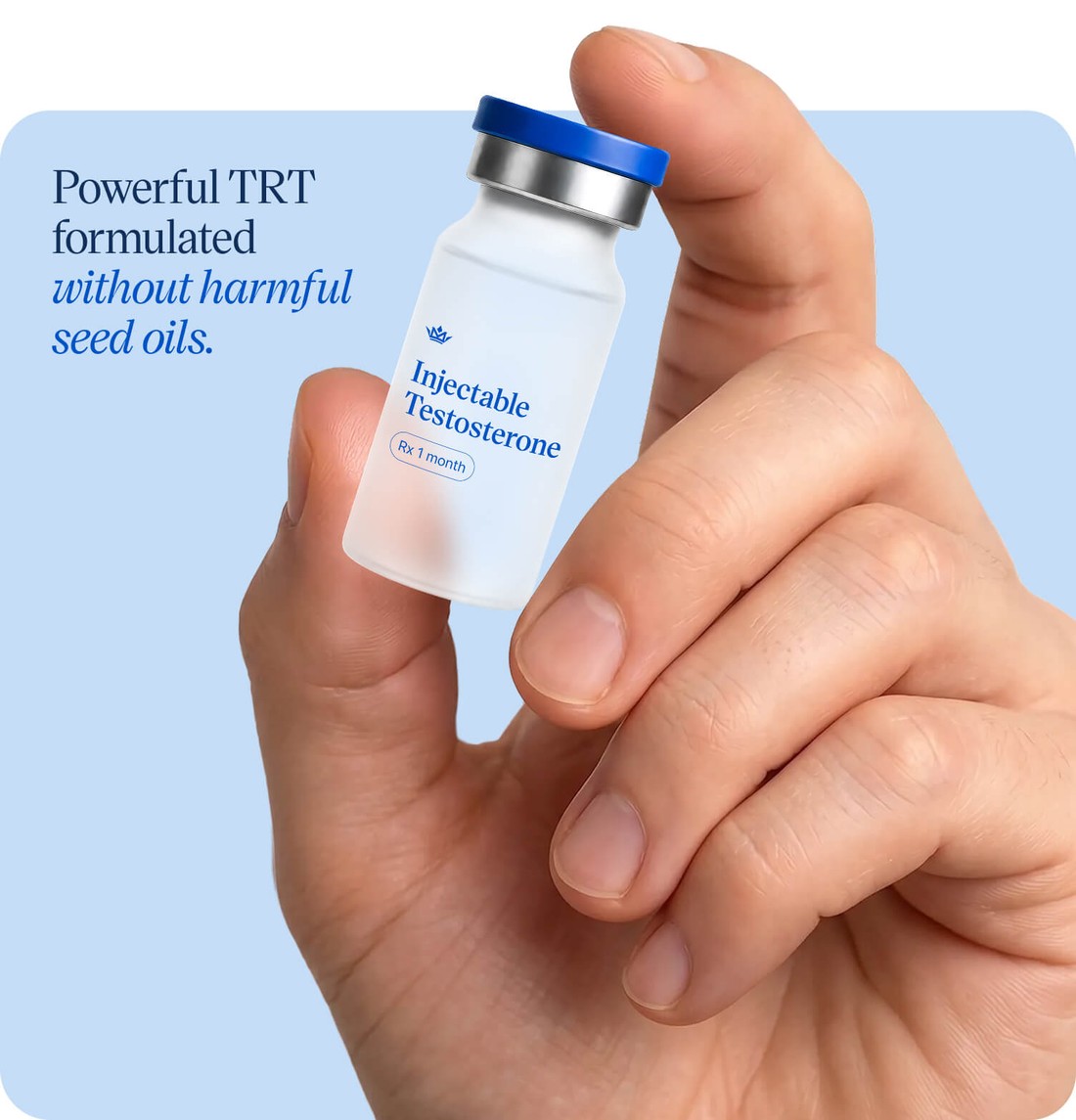

How much testosterone does a healthy man produce daily?
Introduction
The question of how much testosterone does a healthy man produce daily? is a topic of great interest for both men and women alike. Testosterone, a hormone produced mainly in the testes, plays a critical role in various bodily functions, including muscle mass, fat distribution, bone density, and overall mood. Understanding testosterone production can help us maintain health and gauge individual levels of vitality. This article will explore the daily production levels of testosterone in a healthy male, what influences these levels, and how men can support optimal hormonal health.
Daily Testosterone Production Rates
On average, a healthy adult male produces between 5 to 10 mg of testosterone per day. This production rate can vary based on several factors such as age, overall health, lifestyle, and time of day. Typically, testosterone levels are highest in the morning and gradually decline throughout the day.
Factors Influencing Testosterone Levels
Several factors can influence how much testosterone a healthy man produces daily:
- Age: Testosterone levels peak during adolescence and early adulthood, generally around the age of 20 to 30. After this peak, levels may decline by about 1% each year.
- Health Status: Conditions such as obesity, diabetes, and hormonal disorders can negatively impact testosterone production.
- Lifestyle Choices: Diet, physical activity, and sleep quality play significant roles in maintaining hormonal levels.
- Stress Levels: Chronic stress can lead to elevated cortisol levels, which may inhibit testosterone production.
Measurement of Testosterone Levels
Testosterone levels are typically measured through a blood test. The results can vary depending on several factors, including the time of day the test is conducted. It is generally recommended to test testosterone levels in the morning due to the natural diurnal variation in hormone levels.
Normal testosterone levels are generally defined as follows:
- 300 to 1,000 ng/dL (nanograms per deciliter) for total testosterone.
- Over 60 ng/dL for free testosterone, which represents the fraction of testosterone that is bioavailable and active.
For an accurate assessment, a healthcare provider may recommend follow-up tests if initial results show abnormally low or high testosterone levels.
FREE SHIPPING
CLICK HERE!
HOT PROMOTIONS!


CROWX 👑 ViaRow 50 tab | Viagra 100mg | Sildenafil

Original price was: $ 171.00.$ 111.00Current price is: $ 111.00.


Beligas SARM LEAN GW-0742 10mg per tablet 50 tablets

Original price was: $ 101.00.$ 81.00Current price is: $ 81.00.



Signs of Low Testosterone
Lower than normal testosterone levels can lead to various physical and emotional symptoms. These may include:
- Reduced muscle mass and strength
- Decreased bone density, increasing the risk of osteoporosis
- Low libido or sexual dysfunction
- Fatigue and decreased energy levels
- Increased body fat
- Mood changes, including depression or irritability
If a man is experiencing any of these symptoms, it may be wise to consult a healthcare professional to evaluate testosterone levels and overall hormonal health.
How to Support Healthy Testosterone Levels
There are several ways men can support and maintain healthy testosterone levels:
- Regular Exercise: Engaging in both aerobic and resistance training can significantly boost testosterone levels.
- Healthy Diet: A well-balanced diet rich in whole foods, including healthy fats, lean proteins, and essential vitamins and minerals, can promote hormonal health. Foods high in zinc and vitamin D are especially beneficial.
- Quality Sleep: Aim for 7 to 9 hours of quality sleep per night. Poor sleep patterns can adversely affect hormone levels.
- Manage Stress: Incorporating mindfulness practices such as meditation can help in managing stress levels and lowering cortisol, ultimately benefiting testosterone production.
Possible Treatments for Low Testosterone
If lifestyle modifications do not yield satisfactory results, medical intervention may be warranted. Treatments for low testosterone include:
- Testosterone Replacement Therapy (TRT): This can be administered through injections, patches, gels, or pellets.
- Clomiphene Citrate: This medication can stimulate the body’s own testosterone production.
- Addressing Underlying Health Conditions: Managing chronic illnesses that can affect hormone levels is also crucial.
Conclusion
Understanding how much testosterone a healthy man produces daily can assist in recognizing any potential imbalances that may exist. Daily production levels typically range from 5 to 10 mg, but can be influenced by several internal and external factors. Men concerned about their testosterone levels or overall health should consult with a healthcare provider for personalized advice and treatment options. By fostering healthy lifestyle choices and being proactive about hormonal health, men can improve both their physical and mental well-being.
FAQ
1. How much testosterone does a healthy man produce daily?
A healthy adult male typically produces between 5 to 10 mg of testosterone each day.
2. At what age do testosterone levels begin to decline?
Testosterone levels generally peak between the ages of 20 and 30 and start to decline by about 1% each year thereafter.
3. What are the symptoms of low testosterone?
Symptoms can include reduced muscle mass, low libido, fatigue, mood changes, and increased body fat.
4. Can lifestyle changes increase testosterone levels?
Yes, regular exercise, a balanced diet, quality sleep, and stress management can all help support healthy testosterone levels.
5. When should I see a doctor about my testosterone levels?
If you experience symptoms associated with low testosterone, such as fatigue or low libido, it’s advisable to consult a healthcare provider for testing and evaluation.
6. Are there risks associated with testosterone replacement therapy?
While TRT can be beneficial, it also comes with potential risks, including increased risk of blood clots, prostate issues, and cardiovascular problems. It’s important to discuss these risks with a healthcare provider.