

Testosterone Before and After: Real Changes Explained
Understanding the transformation that occurs with testosterone replacement therapy requires more than looking at surface-level changes. When examining testosterone before and after experiences, it’s essential to consider the physiological mechanisms, timeline of improvements, and measurable outcomes that occur when men address clinically low testosterone levels. This comprehensive examination explores what happens when testosterone levels shift from deficient to optimized ranges, backed by current research and clinical evidence from 2026.
Physical Changes During Testosterone Therapy
The physical transformation represents one of the most visible aspects of testosterone before and after comparisons. Men beginning testosterone replacement therapy typically notice changes progressing in a predictable pattern, though individual responses vary based on age, baseline health status, and treatment protocol.
Body Composition Shifts
Muscle mass improvements generally become noticeable within three to six months of consistent therapy. Testosterone directly influences protein synthesis and satellite cell activation, leading to increased lean muscle tissue when combined with resistance training.
Key body composition changes include:
- Increased lean muscle mass, particularly in chest, shoulders, and arms
- Reduced body fat percentage, especially visceral adipose tissue
- Enhanced muscle definition and vascularity
- Improved muscle recovery between training sessions
- Greater overall strength and physical capacity
Fat distribution changes occur simultaneously but follow a different timeline. Visceral fat (the dangerous fat surrounding organs) typically decreases within the first four to six months, while subcutaneous fat reduction may take longer to become apparent.

| Timeline | Muscle Mass Changes | Body Fat Changes | Strength Gains |
|---|---|---|---|
| 0-3 months | Minimal visible change | Slight reduction begins | 10-15% increase |
| 3-6 months | Noticeable increase | Moderate reduction | 20-30% increase |
| 6-12 months | Significant gains | Substantial decrease | 30-40% increase |
| 12+ months | Continued optimization | Stabilized composition | Continued progression |
Skin and Hair Modifications
Dermatological changes represent another observable marker in testosterone before and after assessments. Increased sebum production commonly occurs, which may improve skin texture for some individuals while potentially triggering acne in others predisposed to this condition.
Hair density on the body typically increases, with growth becoming more pronounced on the chest, back, and facial areas. Conversely, men genetically predisposed to male pattern baldness may experience accelerated hair thinning on the scalp, as testosterone metabolizes into dihydrotestosterone (DHT).
Cardiovascular and Metabolic Health Markers
Beyond visible changes, internal health metrics provide crucial data when evaluating testosterone before and after outcomes. Recent 2026 research has significantly advanced our understanding of testosterone’s cardiovascular effects.
Heart Health Considerations
The TRAVERSE trial results, analyzed in comprehensive 2026 reviews, demonstrated that testosterone replacement therapy showed non-inferiority to placebo regarding major adverse cardiovascular events in older men. This landmark finding has reshaped clinical perspectives on testosterone therapy safety.
Blood pressure responses vary among individuals. Some men experience slight increases, while others see improvements, particularly those who were hypertensive at baseline with metabolic syndrome features.
Research examining cardiovascular biomarkers before and after testosterone therapy in hypogonadal men reveals important distinctions between delivery methods:
- Transdermal formulations: More stable testosterone levels, potentially fewer cardiovascular fluctuations
- Intramuscular injections: Greater peak-to-trough variations, requires monitoring of hematocrit levels
- Biomarker changes: Improvements in endothelial function, oxidative stress markers, and inflammatory markers
Metabolic Transformation
Insulin sensitivity typically improves within three to six months of testosterone therapy. Men with pre-existing insulin resistance or type 2 diabetes often experience meaningful reductions in fasting glucose and hemoglobin A1c levels.
Lipid profile changes present a nuanced picture. HDL cholesterol may decrease slightly, while LDL cholesterol responses vary. Triglycerides generally decline, particularly in men with elevated baseline levels.
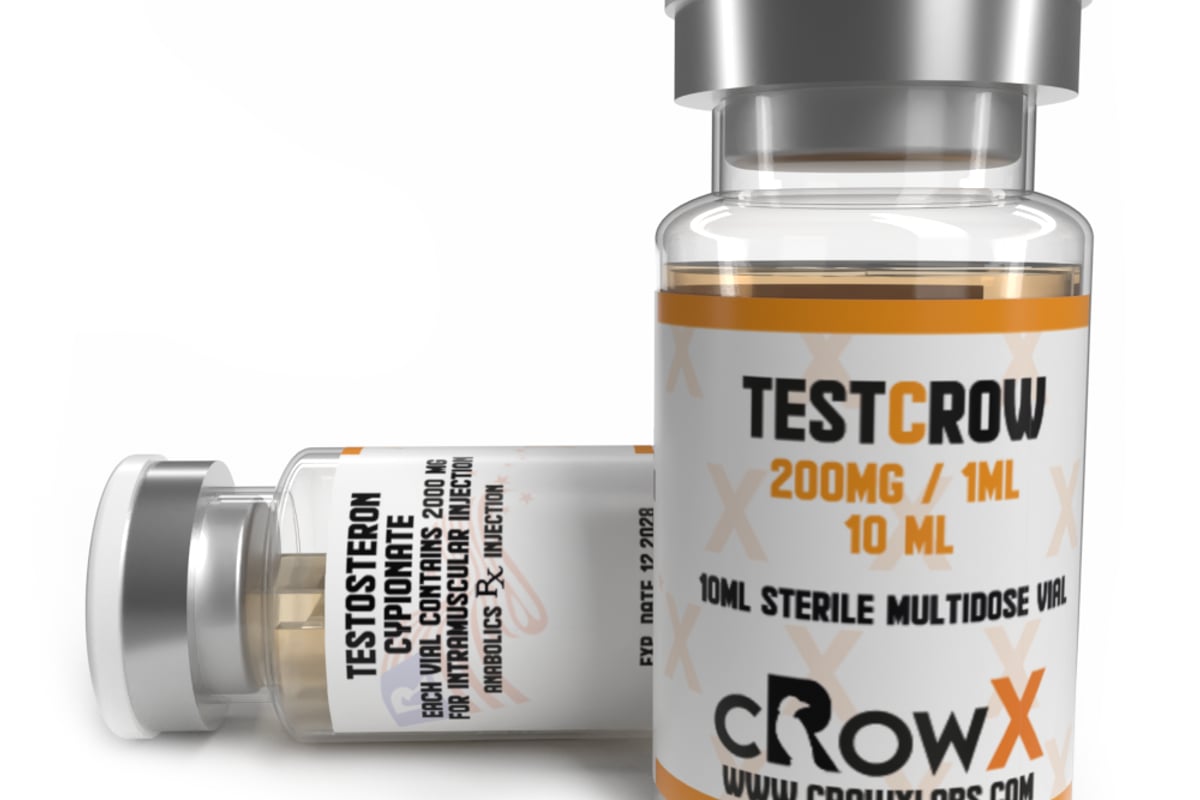
For those considering testosterone therapy options, Testosterone Cypionate 200mg represents one of the most widely prescribed injectable formulations, offering consistent long-acting release that many patients find convenient for maintaining stable testosterone levels throughout their treatment protocol.
Mental and Cognitive Improvements
The neurological impact of testosterone often proves most significant for quality of life, yet these changes receive less attention than physical transformations in typical testosterone before and after discussions.
Mood and Emotional Regulation
Depression scores consistently improve in hypogonadal men receiving testosterone therapy. Studies show measurable reductions in depressive symptoms within six to twelve weeks, with continued improvements over six months.
Common psychological improvements include:
- Reduced irritability and mood swings
- Enhanced sense of wellbeing and life satisfaction
- Decreased anxiety symptoms
- Improved stress resilience
- Greater emotional stability
Energy levels represent one of the earliest reported improvements, with many men noticing enhanced vitality within two to four weeks of initiating therapy.

Cognitive Function Enhancement
Memory, concentration, and mental clarity frequently improve with testosterone optimization. Spatial memory and verbal memory both show enhancement in research studies, though the magnitude varies among individuals.
Executive function (planning, organization, multitasking) typically sharpens within three to six months. Men often report improved work productivity and decision-making capacity as testosterone levels normalize.
Sexual Function and Libido Recovery
Sexual health changes constitute a primary motivation for many men seeking testosterone therapy, making this a critical component of testosterone before and after evaluations.
Libido and Desire Restoration
Sexual desire typically begins improving within three to six weeks, representing one of the earliest benefits men experience. Peak improvements generally occur between three to six months, though individual responses vary considerably.
Morning erections often return as an early indicator of hormonal improvement, sometimes within the first month of therapy. This spontaneous erectile function serves as a useful marker for testosterone normalization.
Erectile Function Enhancement
According to comprehensive reviews on testosterone replacement therapy, erectile function improvements occur through multiple mechanisms: enhanced nitric oxide production, improved endothelial function, and increased penile tissue sensitivity.
For men with erectile dysfunction solely caused by hypogonadism, improvements can be dramatic. However, those with vascular or neurological causes may experience only partial improvements, potentially requiring additional interventions.
| Sexual Function Parameter | Improvement Timeline | Expected Outcome |
|---|---|---|
| Libido/desire | 3-6 weeks | Significant increase |
| Morning erections | 2-4 weeks | Return of spontaneous function |
| Erectile quality | 3-6 months | Moderate to significant |
| Sexual frequency | 2-3 months | Increased activity |
| Orgasm intensity | 3-6 months | Enhanced satisfaction |
Laboratory Values and Biomarkers
Objective laboratory measurements provide the most reliable testosterone before and after data, removing subjective interpretation from the assessment process.
Hormone Panel Changes
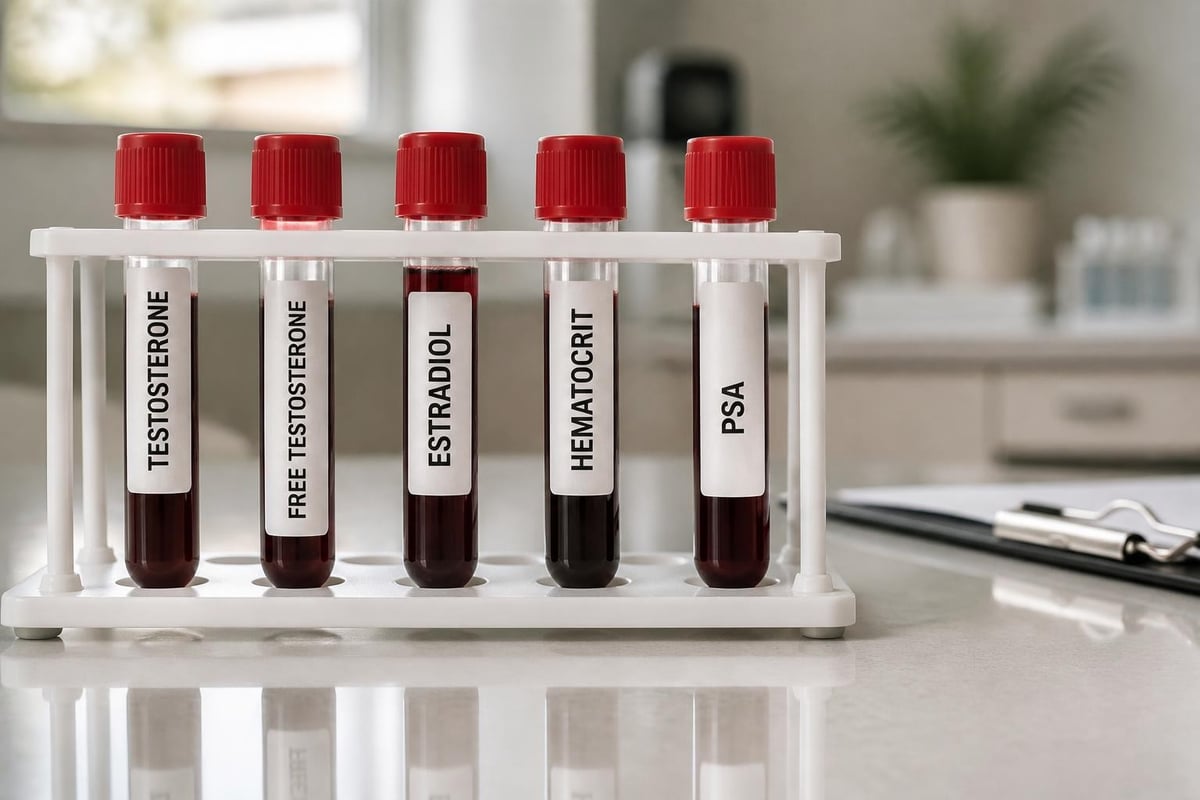
Total testosterone levels naturally rise to target ranges (typically 400-1000 ng/dL, though optimal ranges vary by individual). Free testosterone (the biologically active form) increases proportionally, often showing more dramatic percentage improvements.
Estradiol levels require monitoring, as testosterone aromatizes into estrogen. Some men need aromatase inhibitors if estradiol rises excessively, causing water retention or gynecomastia.
Luteinizing hormone (LH) and follicle-stimulating hormone (FSH) decrease during exogenous testosterone therapy, as the hypothalamic-pituitary-gonadal axis receives negative feedback signaling.
Complete Blood Count Considerations
Hemoglobin and hematocrit typically increase during testosterone therapy, representing both a benefit (improved oxygen-carrying capacity) and a potential concern (increased thrombotic risk if values become excessive).
Regular monitoring ensures values remain within safe ranges. Men whose hematocrit exceeds 54% typically require dose adjustments or therapeutic phlebotomy.
Comparative Treatment Outcomes
Systematic reviews comparing different testosterone elevation strategies provide valuable context for understanding testosterone before and after outcomes across treatment modalities.
Clomiphene Citrate Versus Exogenous Testosterone
Clomiphene citrate stimulates natural testosterone production by blocking estrogen receptors in the hypothalamus, leading to increased LH and FSH secretion. This approach maintains fertility, unlike exogenous testosterone.
Testosterone increases with clomiphene average 200-300 ng/dL, compared to more customizable levels with direct testosterone replacement. Symptom improvement occurs with both approaches, though individual responses vary.
Delivery Method Differences
Injection protocols:
- Testosterone cypionate or enanthate every 7-14 days
- More significant peak-to-trough fluctuations
- Generally more economical
- Requires injection technique proficiency
Transdermal options:
- Daily gel or patch application
- More stable blood levels throughout the day
- Higher cost per month
- Potential for transfer to partners or children
Oral and nasal formulations:
- Testosterone undecanoate (oral) or nasal gel
- Convenient administration
- Variable absorption rates
- Generally higher cost structures
Timeline of Expected Changes
Understanding realistic timelines prevents disappointment and helps men maintain consistent therapy during the initial weeks when changes may not yet be apparent.
First Month Expectations
Energy improvements and libido increases represent the most common early benefits. Sleep quality may improve, and some men notice reduced joint pain. Physical appearance changes remain minimal during this period.
Three to Six Month Transformation
This period brings the most dramatic testosterone before and after differences. Muscle mass becomes noticeably increased, body fat reduces visibly, and strength gains accelerate. Mental clarity peaks, and mood stabilization becomes well-established.
Long-Term Optimization (Six Months Plus)
Continued refinement occurs beyond six months, though the rate of change slows. Body composition improvements continue with proper nutrition and training. Metabolic health markers typically reach their optimized state.
Bone density improvements require the longest timeline, with measurable increases generally occurring after 12-24 months of consistent therapy. This benefit proves particularly valuable for older men at risk for osteoporosis.
Individual Variation Factors
No two men experience identical testosterone before and after results, making personalized expectations crucial for satisfaction with therapy outcomes.
Age and Baseline Health
Younger men (under 40) typically experience more dramatic muscle-building responses, while older men may notice greater cognitive and energy improvements. Baseline testosterone levels influence the magnitude of change-men with severely deficient levels often experience more pronounced transformations.
Pre-existing health conditions significantly impact outcomes. Men with diabetes, cardiovascular disease, or obesity may experience slower improvements requiring longer treatment durations for optimal results.
Lifestyle Synergy
Testosterone therapy amplifies the effects of proper nutrition, resistance training, and adequate sleep. Men who optimize these factors alongside therapy achieve superior results compared to those relying on testosterone alone.
Critical lifestyle factors include:
- Protein intake of 0.8-1.2 grams per pound of body weight
- Progressive resistance training 3-5 times weekly
- Sleep duration of 7-9 hours nightly
- Stress management through meditation or similar practices
- Limiting alcohol consumption
Genetic Responsiveness
Androgen receptor sensitivity varies based on genetic polymorphisms, affecting how dramatically men respond to identical testosterone levels. Some individuals achieve remarkable improvements with modest testosterone increases, while others require higher levels for comparable benefits.
Monitoring and Adjustment Requirements
Successful testosterone therapy requires ongoing assessment and protocol refinement to maintain optimal testosterone before and after improvements while minimizing risks.
Follow-Up Schedule
Initial monitoring occurs frequently, with blood work typically performed at baseline, 3-6 weeks after starting therapy, then every 3-6 months once stable. This schedule ensures dose optimization and identifies potential complications early.
Physical examinations should occur at least annually, including prostate assessment for men over 40, cardiovascular evaluation, and general health screening.
Dose Optimization Process
Starting doses typically prove conservative, with gradual increases based on symptom response and laboratory values. The goal involves achieving testosterone levels in the upper-normal range while minimizing side effects.
Some men require dose reductions if side effects emerge, while others benefit from increases if initial improvements plateau with suboptimal symptom resolution.
Understanding testosterone before and after transformations requires examining physical, mental, metabolic, and sexual health changes across multiple timelines. The comprehensive evidence from 2026 research demonstrates that properly managed testosterone therapy offers significant benefits for men with clinically diagnosed hypogonadism, though individual responses vary based on numerous factors. If you’re considering testosterone therapy or seeking quality pharmaceutical-grade products, 24-7.is provides access to testosterone formulations and related compounds with reliable sourcing for those working under appropriate medical supervision.