Mixing Lexapro and Alcohol: What You Need to Know

Lexapro, a commonly prescribed medication for depression and anxiety, is part of the selective serotonin reuptake inhibitors (SSRIs) class. It can greatly improve the quality of life for many patients, helping to balance chemicals in the brain. However, the interaction between Lexapro and alcohol is an important consideration for those under this medication. This article will delve into potential effects and provide guidance on how to approach alcohol consumption while taking Lexapro.
How Lexapro Works
Lexapro works by regulating serotonin levels in the brain, improving mood, sleep, and emotional stability. This medication, while effective, can cause side effects such as dizziness, drowsiness, and impaired concentration. These effects are particularly relevant when considering alcohol use, as both substances can amplify each other’s presence in the system.
Combining Lexapro and Alcohol
Drinking while on Lexapro can lead to heightened side effects. Since both alcohol and Lexapro affect the central nervous system, combining them can exacerbate feelings of drowsiness and dizziness. Additionally, alcohol can counteract some of the benefits of Lexapro, potentially leading to an increase in depressive symptoms. The impact varies among individuals, and while some might not experience severe side effects, others might find the combination dangerous.
It is advisable to consult with a healthcare provider about personal alcohol consumption if you are prescribed Lexapro. A doctor can provide personalized guidance, taking into account your medical history, dosage, and overall health. You can read more about Lexapro here.
Conclusion
While Lexapro is an effective treatment for mood disorders, the combination with alcohol can pose risks that need to be carefully considered. Patients should avoid or limit alcohol intake and always follow their healthcare provider’s advice. Every individual’s response can differ, and personal consideration is key in managing the use of Lexapro and alcohol.
FAQs
1. Can I drink occasionally while on Lexapro?
Consult your healthcare provider. Occasional drinking might be permitted in moderation, depending on your specific circumstances.
2. What are the risks of mixing Lexapro and alcohol?
Increased side effects like dizziness, drowsiness, and potentially worsening depression symptoms can occur.
3. Is there a safe amount of alcohol to consume on Lexapro?
There is no universally safe amount; it’s imperative to discuss limits with your doctor.
For further details on medication and alcohol interactions, visit the Alcohol.org website.
BIG SALE | FAST SHIPPING
HOT PROMOTIONS!
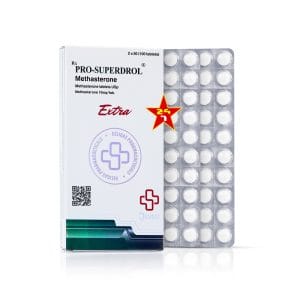

ZPHC UltraMix 10ml MultiUse Vial 1ml = 250mg

Original price was: $ 255.00.$ 179.00Current price is: $ 179.00.


STADA MEGA CUTS BLEND 300 MG 10ML (TRENBOLONE)
Original price was: $ 129.00.$ 119.00Current price is: $ 119.00.
Lexapro, a commonly prescribed antidepressant known generically as escitalopram, is used to treat anxiety and major depressive disorder. While taking Lexapro, it’s generally advised to avoid alcohol consumption. This is because both Lexapro and alcohol can affect the central nervous system, and their interaction may enhance side effects like drowsiness, dizziness, and impaired judgment or coordination. Additionally, alcohol can potentially exacerbate the symptoms of depression and anxiety, counteracting the benefits of the medication. It’s crucial for individuals on Lexapro to consult with their healthcare provider to understand the specific risks and recommendations related to alcohol use during treatment.