What Are BCAAs and How Do They Benefit Muscle Growth?
Frequently Asked Questions About BCAAs
What are BCAAs?
BCAAs, or Branched-Chain Amino Acids, are a group of three essential amino acids: leucine, isoleucine, and valine. These amino acids are crucial for the body as they play a significant role in protein synthesis and muscle repair. Unlike other amino acids, BCAAs are metabolized in the muscles rather than the liver, which allows them to be used as a quick source of energy during physical activities.
BCAA Does What?
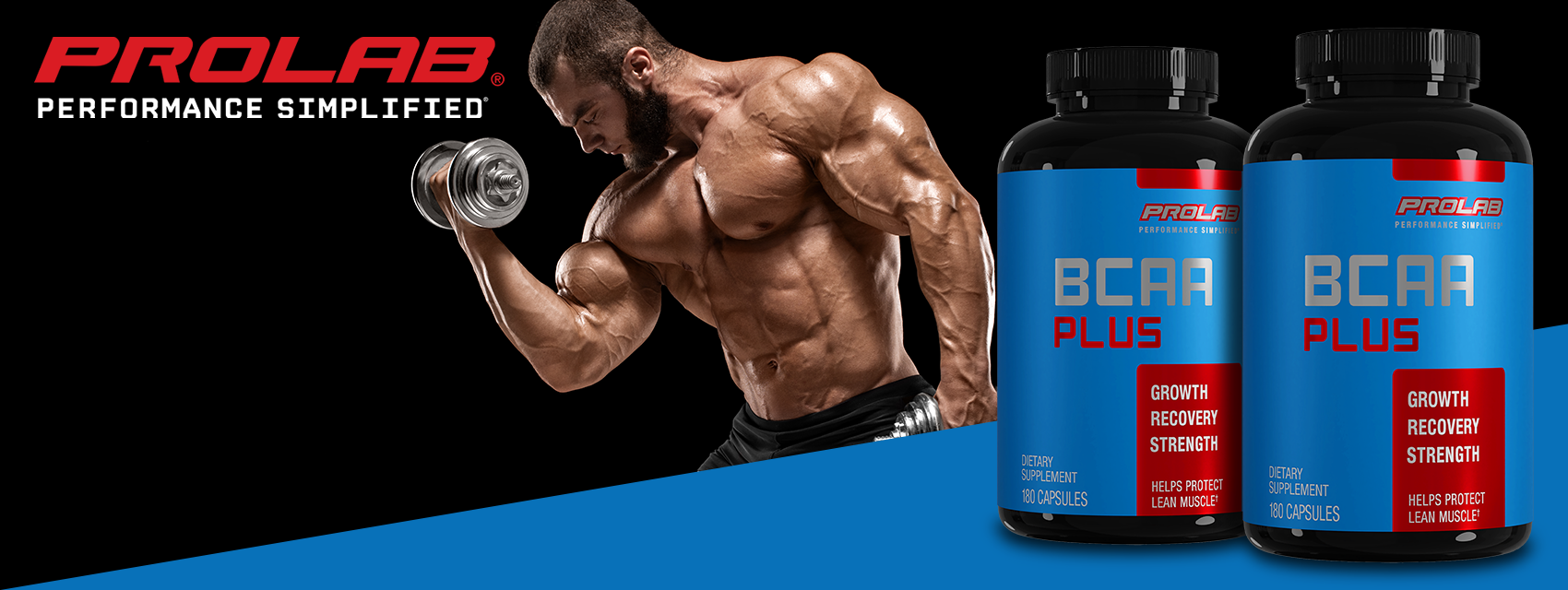
BCAAs are popular supplements among athletes and fitness enthusiasts and are often taken to enhance athletic performance and promote recovery. They can be particularly helpful because:
Muscle Growth: BCAAs stimulate muscle protein synthesis, which is crucial for muscle growth. Leucine, in particular, has been shown to play a critical role in signaling the muscle-building process.
Reduced Muscle Soreness: Exercising can lead to muscle damage, resulting in delayed onset muscle soreness (DOMS). BCAAs have been reported to reduce muscle soreness after a workout, allowing for quicker recovery.
Decreased Fatigue: During prolonged exercise, the levels of BCAAs in the blood decrease, which may increase the production of tryptophan and subsequently serotonin. Elevated serotonin levels can contribute to fatigue. Supplementing with BCAAs helps mitigate these effects, potentially resulting in less fatigue during intense workouts.
How Should BCAAs Be Taken?
BCAA supplements can be taken in various forms, such as powders, capsules, or tablets. They are often consumed before, during, or after workouts. The timing and dosage of BCAAs can vary depending on individual goals and the intensity of exercise. It’s essential to follow the manufacturer’s guidelines or consult a nutritionist for personalized advice.
Are BCAAs Safe?
BCAAs are generally considered safe for most people when taken at recommended doses. However, as with any supplement, there can be potential side effects. Common side effects include nausea, headache, or stomach upset. Individuals with specific health conditions or those taking medication should consult a healthcare professional before starting BCAA supplementation.
Do BCAAs Have Other Benefits?
In addition to the benefits for muscle growth and recovery, BCAAs may also support:
- Weight Loss: BCAAs may help prevent muscle loss during calorie restriction and promote fat loss in certain scenarios.
- Immune System Support: Some research suggests that BCAAs can support the immune system by preserving the levels of glutamine, an amino acid critical for immune function.
Who Benefits from BCAA Supplementation?
BCAAs can be beneficial for various individuals, particularly athletes such as bodybuilders, weightlifters, or endurance sports participants. They are also useful for people looking to optimize their muscle mass during aging or those on specific diets that may lack adequate protein intake.
How Do BCAAs Compare to Other Amino Acids?
Unlike other amino acids, BCAAs comprise about 35% of essential amino acids in muscle proteins. Their unique structure allows them to bypass liver metabolism, making them more efficient for muscle energy utilization.
Can I Get BCAAs Naturally?
Yes, BCAAs are present in many protein-rich foods. Good sources include meat, dairy products, eggs, and plant-based proteins such as quinoa and soy. For those who struggle to consume enough protein-rich foods, BCAA supplements can be a convenient option.
Conclusion
BCAAs play several critical roles in muscle development and energy metabolism, which are beneficial for athletic performance and recovery. Whether consumed through diet or supplementation, understanding what BCAA does can help individuals reach their fitness and health goals more effectively.
For further insights and recommendations on the best BCAA products, visit our