What foods are linked to lower testosterone?
When it comes to maintaining optimal health, testosterone levels play a crucial role, especially for men. However, various dietary choices can impact hormone balance. Understanding what foods are linked to lower testosterone can help you make more informed dietary decisions. Certain foods may inhibit the body’s ability to produce testosterone, leading to potential health issues, including fatigue, reduced muscle mass, and decreased libido. In this article, we will explore a variety of foods and dietary habits that may contribute to lowered testosterone levels.
Understanding Testosterone
Testosterone is a vital hormone that affects numerous bodily functions, including muscle growth, bone density, and libido. Produced mainly in the testes, testosterone levels fluctuate throughout life and can be influenced by various factors such as age, stress, and, notably, diet.
The Relationship Between Diet and Testosterone
Your diet can significantly impact testosterone production. Certain nutrients are essential for testosterone synthesis, while others can contribute to its decrease. Therefore, recognizing what foods are linked to lower testosterone is essential for maintaining hormonal balance.
Foods Known to Lower Testosterone Levels
Soy Products
Soy-based foods, such as tofu, soy milk, and edamame, contain phytoestrogens, which mimic estrogen in the body. Some studies suggest that excessive consumption of soy may lead to decreased testosterone levels. While moderate consumption may not have significant effects, individuals concerned about testosterone levels should monitor their soy intake.
Processed Foods
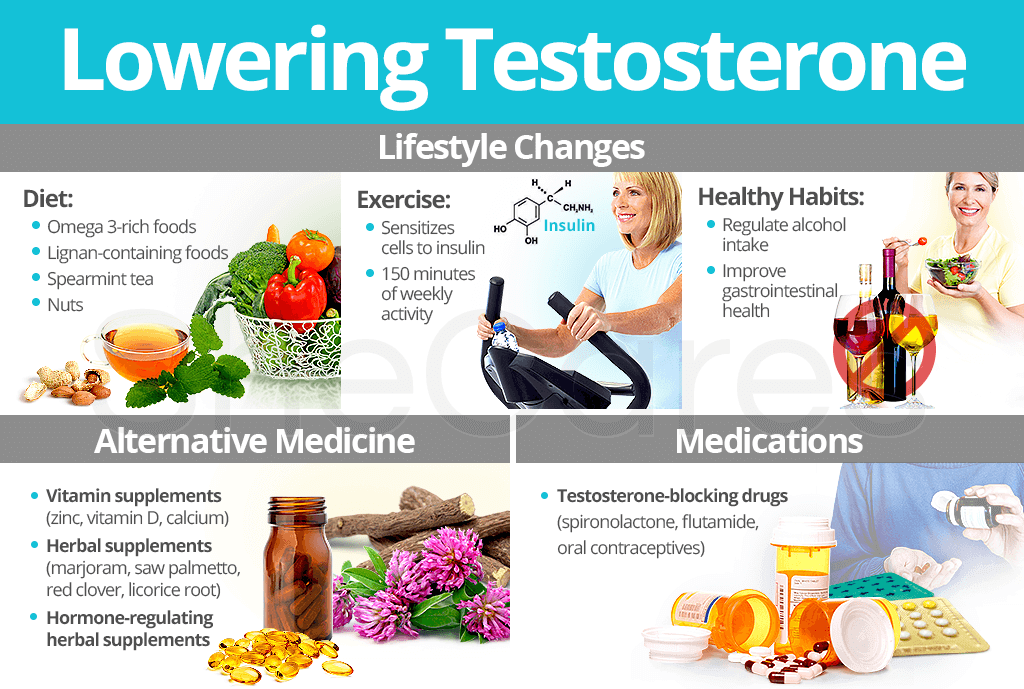
Highly processed foods laden with unhealthy fats, sugars, and additives can have detrimental effects on hormonal health. This includes items like fast food, sugary snacks, and instant meals. These foods can lead to weight gain and insulin resistance, both of which are associated with low testosterone.
Alcohol
Alcohol consumption, particularly excessive intake, has been shown to reduce testosterone levels. Chronic alcohol use can cause liver damage, impair hormone production, and reduce the body’s ability to convert cholesterol into testosterone. Moderation is key, and men should limit their alcohol intake to maintain hormonal health.
Trans Fats
Trans fats are commonly found in fried foods, baked goods, and margarine. Research suggests that trans fat consumption is associated with lower testosterone levels. These unhealthy fats can also contribute to inflammation and weight gain, further impacting hormonal balance.
Mint
Certain herbs, like mint, can have a mild anti-androgenic effect, potentially leading to lower testosterone. Some studies indicate that spearmint and peppermint may decrease testosterone levels, especially in women. While more research is needed, men might want to reconsider excessive consumption of mint-flavored products.
Foods with High Sugar Content
High sugar diets can lead to insulin resistance and increased fat storage, both known to adversely affect testosterone levels. Foods like candies, sodas, and sweetened cereals can spike your blood sugar, contributing to hormonal imbalance. Reducing sugar intake can help maintain healthy testosterone levels.
FREE SHIPPING
CLICK HERE!
HOT PROMOTIONS!




Dietary Considerations for Maintaining Testosterone Levels
To counteract the effects of foods that lower testosterone, consider incorporating the following strategies into your diet:
- Eat Healthy Fats: Include sources of healthy fats like avocados, olive oil, and nuts. These can support hormone production.
- Increase Zinc Intake: Foods rich in zinc, such as oysters, red meat, and pumpkin seeds, can enhance testosterone levels.
- Consume Vitamin D: Vitamin D is crucial for testosterone production. Rich sources include fatty fish and fortified foods.
- Prioritize Protein: A diet with adequate protein from lean meats, eggs, and legumes supports muscle production and testosterone levels.
The Importance of Lifestyle Changes
While diet is an important factor, lifestyle choices also greatly impact testosterone levels. Regular exercise, especially strength training and high-intensity interval training (HIIT), can naturally boost testosterone production. Moreover, sufficient sleep and stress management techniques, such as meditation and yoga, can also play significant roles in maintaining healthy hormone levels.
Conclusion
Foods linked to lower testosterone can negatively affect overall health and well-being. By making informed dietary choices, such as reducing processed foods, alcohol, and soy products, and focusing on nutrient-dense foods, you can support hormone balance. Moreover, adopting a healthy lifestyle will complement dietary changes and help maintain optimal testosterone levels. It’s essential to listen to your body and, if concerns arise, consult with a healthcare professional for personalized advice.
Frequently Asked Questions
What foods are linked to lower testosterone?
Some common foods that may lower testosterone levels include soy products, processed foods, alcohol, trans fats, and high-sugar items.
Can excessive alcohol consumption lead to low testosterone?
Yes, excessive alcohol intake can negatively impact testosterone production and lead to hormonal imbalances.
Are there any foods that can improve testosterone levels?
Yes, foods that are high in healthy fats, zinc, and vitamin D, such as avocados, nuts, and fatty fish, can help improve testosterone levels.
How does sugar intake affect testosterone?
High sugar intake can lead to insulin resistance, weight gain, and hormonal imbalances, all of which can lower testosterone levels.
Is it possible to boost testosterone through lifestyle changes?
Absolutely! Regular exercise, good sleep hygiene, and stress management techniques can help elevate testosterone levels naturally.