
How does testosterone affect behavior and personality?
Introduction
Testosterone is often considered the hormone that defines masculinity, but its influence extends far beyond physical traits. Understanding how does testosterone affect behavior and personality can provide valuable insights into human interactions and emotional responses. From aggression and dominance to empathy and sociability, this vital hormone plays a significant role in shaping various facets of our personalities. This article will explore the complex relationship between testosterone and behavior, covering its biological basis, effects on mood and social interactions, and practical advice for maintaining healthy testosterone levels.
The Biological Basis of Testosterone
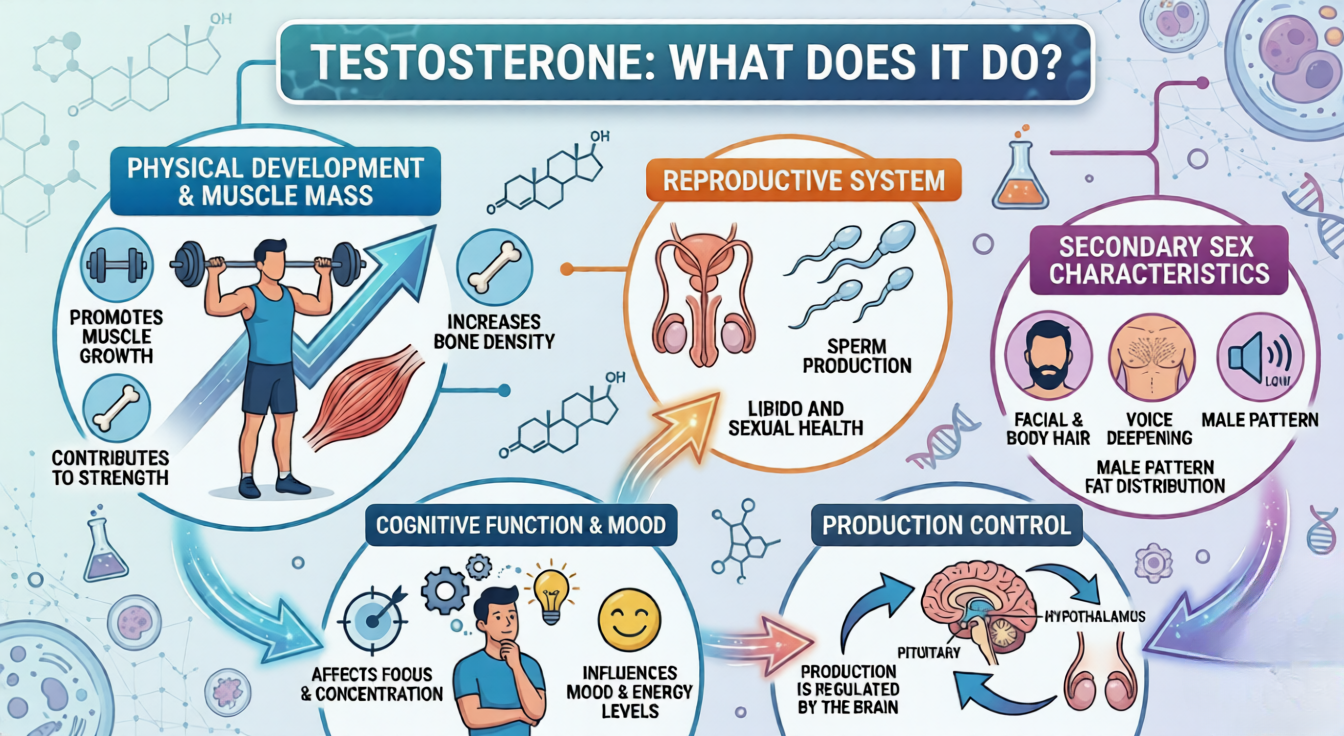
Testosterone, primarily produced in the testes in men and ovaries in women, impacts numerous bodily functions. It contributes to muscle mass, bone density, and the development of secondary sex characteristics. However, its influence is not limited to physical attributes; it significantly affects brain function and behavior.
Testosterone acts on the brain’s androgen receptors, influencing emotions, cognition, and even social behavior. This hormonal activity can lead to varying personality traits, which change throughout a person’s life due to different factors, including health, age, and environmental influences.
Effects on Behavior
Research indicates that higher testosterone levels are associated with certain behavioral tendencies. Here are some observable effects:
- Aggression: Elevated testosterone is often linked to increased aggression and competitiveness. Studies suggest that it can enhance assertiveness, especially in social or competitive contexts.
- Risk-Taking: Testosterone influences risk-taking behavior. This can manifest in various ways, from extreme sports to financial investments.
- Confidence: Individuals with higher testosterone levels may display greater confidence and assertiveness, which can lead to improved leadership abilities.
- Sexual Behavior: Testosterone is a significant driver of libido in both men and women, influencing sexual behavior and attraction.
Impact on Personality
How does testosterone affect behavior and personality beyond mere aggression? Research shows nuanced effects on traits such as:
- Social Dominance: Individuals with higher testosterone often exhibit dominant behavior, which can lead to assertive leadership.
- Empathy: Interestingly, some studies suggest that higher testosterone may correlate with lower levels of empathy, particularly in social situations, leading to challenges in interpersonal relationships.
- Emotional Regulation: Testosterone can influence mood stability, often helping individuals manage stress, but too much may lead to irritability and mood swings.
FREE SHIPPING
CLICK HERE!
HOT PROMOTIONS!

Fierce sustanon 350mg/ml 10ml

Original price was: $ 199.00.$ 139.00Current price is: $ 139.00.


ZPHC Testosterone Cypionate 10ml 200mg/ml = 2000ml PER VIAL

Original price was: $ 210.00.$ 119.00Current price is: $ 119.00.
ANAVAR CYCLE | PILLS 10mg 80 TABLETS FIERCE OFFER

Original price was: $ 101.00.$ 91.00Current price is: $ 91.00.




Testosterone and Mood
Another crucial aspect to consider is the relationship between testosterone and mood. Testosterone has been known to play a role in depression and anxiety. Here, we explore how fluctuations in testosterone can influence overall emotional health:
Testosterone Deficiency
Low testosterone levels can lead to a range of psychological issues, including:
- Low energy and fatigue
- Depression and mood disorders
- Anxiety and irritability
Men, in particular, may experience significant impacts on mood and emotional health during midlife when testosterone levels naturally decline.
Managing Testosterone Levels
Understanding how to maintain healthy testosterone levels can positively affect behavior and personality. Here are practical tips:
- Balanced Diet: Consuming a diet rich in healthy fats, proteins, and essential vitamins can support hormonal balance.
- Regular Exercise: Engaging in both strength training and cardiovascular workouts can naturally boost testosterone levels.
- Quality Sleep: Prioritizing sleep is crucial as poor sleep patterns can lead to hormonal imbalances.
- Stress Management: Chronic stress leads to elevated cortisol levels, which can inhibit testosterone production. Techniques such as mindfulness, meditation, and relaxation exercises may help.
Conclusion
The effects of testosterone on behavior and personality are both profound and multifaceted. From influencing aggression and risk-taking to affecting emotional well-being, this hormone plays a crucial role in daily life. By understanding its impact, individuals can take steps to optimize their hormonal balance, fostering healthier behaviors and emotional states. Nurturing physical and mental health through proper diet, exercise, and stress management may not only improve testosterone levels but also enhance overall quality of life.
FAQ
1. How does testosterone affect behavior and personality in women?
Testosterone also plays a significant role in women’s behavior and personality, influencing aspects such as mood, libido, and emotional stability. Changes in testosterone levels can affect mood swings and interpersonal relationships.
2. Can testosterone therapy improve mood and personality?
For individuals with clinically low testosterone, therapy may help to improve mood and personality traits, but it should be administered under close medical supervision to monitor potential side effects and overall health.
3. What are the signs of low testosterone?
Common signs of low testosterone include fatigue, depression, decreased libido, and difficulty concentrating. If you suspect low testosterone, consult a healthcare provider for an appropriate evaluation.
4. How does testosterone affect social behavior?
Testosterone influences social behaviors such as aggression, dominance, and competitiveness. While it may enhance assertiveness, it can also lower empathy, leading to potential challenges in relationships.
5. Is there a natural way to increase testosterone levels?
Yes, lifestyle choices such as a balanced diet, regular exercise, adequate sleep, and effective stress management can naturally help maintain healthy testosterone levels.