
Testosterone Bloodwork: Complete Testing Guide 2026
Understanding your hormonal health starts with proper testing. Whether you’re exploring testosterone replacement therapy, monitoring an existing protocol, or simply investigating symptoms of low testosterone, comprehensive testosterone bloodwork provides the objective data needed to make informed decisions. The complexity of testosterone testing extends beyond a single number-multiple markers interact to paint a complete picture of your endocrine function, and knowing which tests to order, when to take them, and how to interpret the results can make the difference between optimized health and wasted time.
Understanding the Core Testosterone Markers
Testosterone bloodwork encompasses several distinct measurements, each revealing different aspects of your hormonal status. The most commonly ordered test measures total testosterone, which represents all testosterone in your bloodstream regardless of whether it’s bound to proteins or freely available to tissues.
Total Testosterone: The Foundation
Total testosterone serves as the initial screening tool for most men. This measurement captures testosterone bound to sex hormone-binding globulin (SHBG), testosterone bound to albumin, and the small percentage of free testosterone circulating in your blood. Normal reference ranges typically fall between 300-1000 ng/dL for adult men, though these ranges vary by laboratory and testing methodology.
The diagnostic criteria for adult male hypogonadism emphasizes that a single low reading doesn’t confirm testosterone deficiency. Medical guidelines recommend morning fasting samples and repeat testing before making any clinical decisions.
Free Testosterone: The Active Fraction
While total testosterone provides a baseline, free testosterone represents the biologically active portion available to bind with androgen receptors throughout your body. Typically comprising only 2-3% of total testosterone, this unbound fraction drives most of testosterone’s physiological effects.
Free testosterone measurements become particularly important when SHBG levels deviate from normal ranges. Men with high SHBG may show normal total testosterone but experience low testosterone symptoms due to reduced free testosterone. Conversely, low SHBG can result in low total testosterone readings despite adequate free testosterone levels.

Sex Hormone-Binding Globulin (SHBG)
SHBG functions as the primary binding protein for testosterone in blood. This liver-produced glycoprotein strongly binds approximately 60% of circulating testosterone, rendering it unavailable for tissue uptake. Understanding how binding proteins affect testosterone measurements clarifies why SHBG testing matters when interpreting testosterone bloodwork.
Several factors influence SHBG levels:
- Age: SHBG increases with aging, potentially masking age-related testosterone decline
- Body composition: Obesity and insulin resistance lower SHBG
- Thyroid function: Hyperthyroidism raises SHBG while hypothyroidism reduces it
- Medications: Certain drugs affect SHBG production and clearance
Comprehensive Hormone Panel Components
Beyond basic testosterone measurements, a thorough hormone panel includes additional markers that provide context and identify potential issues requiring attention.
Estradiol (E2)
Testosterone converts to estradiol through the aromatase enzyme, making estradiol monitoring essential during testosterone therapy. Men need estradiol for bone health, cognitive function, and cardiovascular protection, but excessive levels can cause unwanted effects including water retention, gynecomastia, and mood changes.
The sensitive estradiol test (LC-MS/MS methodology) provides more accurate readings in the male range compared to standard immunoassay tests. Optimal estradiol levels for men typically range between 20-30 pg/mL, though individual tolerance varies.
Luteinizing Hormone (LH) and Follicle-Stimulating Hormone (FSH)
These pituitary hormones regulate testicular testosterone production through the hypothalamic-pituitary-gonadal axis. LH directly stimulates Leydig cells to produce testosterone, while FSH supports sperm production.
| Marker | Role | Clinical Significance |
|---|---|---|
| LH | Stimulates testosterone production | Low during TRT (suppressed); high indicates primary hypogonadism |
| FSH | Supports spermatogenesis | Low during TRT (suppressed); high suggests testicular dysfunction |
| LH/FSH ratio | Distinguishes hypogonadism types | Helps differentiate primary vs. secondary causes |
Measuring LH and FSH before starting testosterone therapy establishes baseline values and helps distinguish primary hypogonadism (testicular failure) from secondary hypogonadism (pituitary/hypothalamic dysfunction).
Timing and Preparation for Accurate Results
The reliability of testosterone bloodwork depends heavily on proper timing and preparation. Biological and analytical factors create significant variation in testosterone measurements, making standardized collection protocols essential.
Optimal Testing Time
Testosterone levels follow a circadian rhythm, peaking in early morning hours and declining throughout the day. For accurate baseline measurements, schedule blood draws between 7:00-10:00 AM after an overnight fast. This timing captures testosterone at its highest point, preventing false-low readings that might occur later in the day.
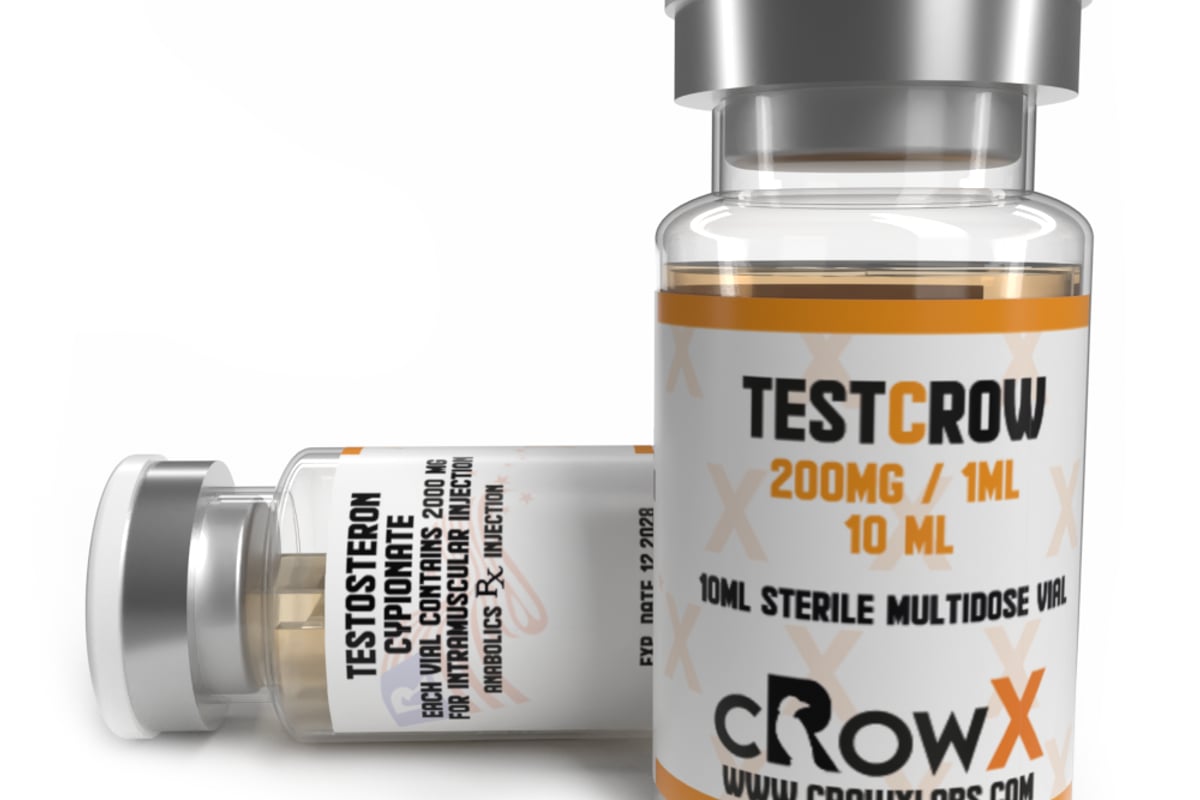
Men already on testosterone replacement therapy require different timing considerations. For injectable testosterone like Testosterone Cypionate 200mg, timing relative to injection date matters significantly-testing at trough (immediately before the next injection) and peak (24-48 hours post-injection) provides the full picture of hormonal stability throughout your dosing cycle.
Pre-Test Preparation Guidelines
To ensure consistent, comparable results:
- Fast for 8-12 hours before blood draw (water permitted)
- Avoid intense exercise for 24 hours prior to testing
- Maintain consistent sleep patterns in the days leading up to testing
- Skip alcohol for at least 48 hours beforehand
- Note all medications and supplements you’re currently taking
Sleep deprivation, stress, and illness can temporarily suppress testosterone levels, so reschedule testing if you’re unwell or significantly sleep-deprived.
Interpreting Your Testosterone Bloodwork Results
Raw numbers require context for meaningful interpretation. Reference ranges provide general guidelines, but individual symptoms, age, and health goals influence what constitutes “optimal” versus merely “normal.”
Understanding Reference Ranges
Most laboratories report reference ranges of 300-1000 ng/dL for total testosterone, but this wide range encompasses young men with optimal levels and elderly men with age-related decline. A 25-year-old with 350 ng/dL falls within the normal range but likely experiences symptoms compared to peers averaging 600-700 ng/dL.
The Canadian Urological Association guideline addresses practical questions about using total, free, and bioavailable testosterone in different clinical scenarios, emphasizing that symptoms matter as much as numbers.
Common Result Patterns
Different patterns in testosterone bloodwork suggest specific underlying issues:
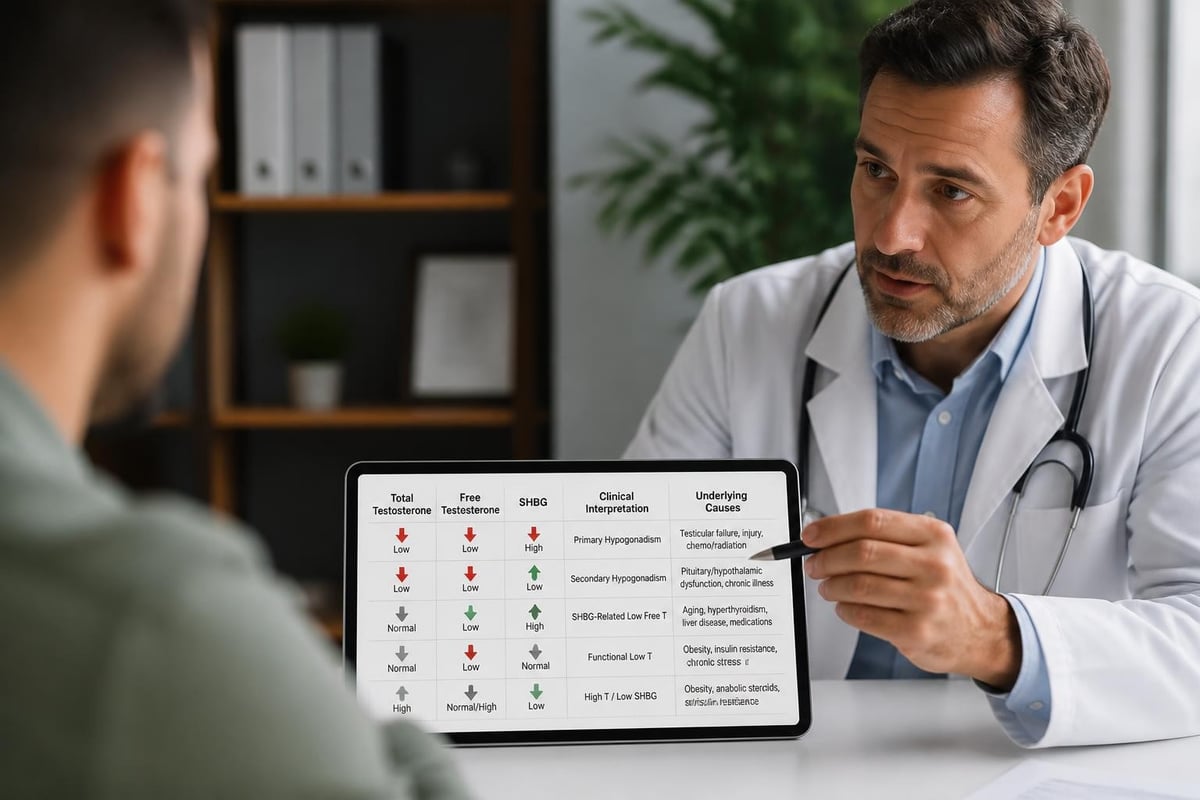
Pattern 1: Low Total, Low Free, High SHBG
- Indicates insufficient testosterone production
- High SHBG binds available testosterone
- Common in aging men and those with thyroid issues
Pattern 2: Normal Total, Low Free, High SHBG
- Total testosterone appears adequate
- Excessive SHBG binding reduces bioavailable testosterone
- May cause low testosterone symptoms despite “normal” results
Pattern 3: Low Total, Normal Free, Low SHBG
- Total testosterone underestimates hormonal status
- Adequate free testosterone may provide sufficient androgenic activity
- Often seen in men with insulin resistance or metabolic syndrome
Free Testosterone Calculation vs. Direct Measurement
Free testosterone can be measured directly or calculated from total testosterone, SHBG, and albumin values. Direct measurement using equilibrium dialysis provides the gold standard but costs more and isn’t widely available. Calculated free testosterone using validated formulas (Vermeulen equation) offers reliable results at lower cost and greater accessibility.
Monitoring Testosterone Therapy
Once testosterone replacement therapy begins, regular bloodwork monitors treatment efficacy, identifies potential complications, and guides dosage adjustments.
Initial Monitoring Schedule
The first 6-12 weeks of therapy require closer monitoring to establish the appropriate dose and identify any immediate issues. A typical monitoring schedule includes:
- Baseline: Complete panel before starting therapy
- 6 weeks: First follow-up to assess initial response
- 12 weeks: Second follow-up to confirm stability and finalize dosing
- Ongoing: Every 3-6 months once stable
Key Markers During Therapy
Beyond testosterone levels, several additional markers require monitoring throughout testosterone replacement therapy:
| Marker | Monitoring Frequency | Purpose |
|---|---|---|
| Hematocrit/Hemoglobin | Every 3-6 months | Detect polycythemia (elevated red blood cells) |
| Prostate-Specific Antigen (PSA) | Every 6-12 months | Monitor prostate health |
| Estradiol | Every 3-6 months | Manage aromatization and estrogen-related effects |
| Lipid Panel | Every 6-12 months | Track cardiovascular risk markers |
| Liver Function Tests | Every 6-12 months | Assess hepatic health (especially with oral compounds) |
Adjusting Based on Results
Testosterone bloodwork results guide protocol adjustments. If trough levels fall too low between injections, increasing dose frequency (splitting weekly injections into twice-weekly) often provides more stable levels without raising total weekly dose.
Elevated estradiol may warrant dose reduction or addition of an aromatase inhibitor, while rising hematocrit requires intervention through dose adjustment, therapeutic phlebotomy, or both.
Laboratory Selection and Cost Considerations
Not all testosterone testing delivers equal quality or value. Significant variability exists in testosterone testing costs and reliability across different laboratories and testing facilities.
Laboratory Methodology Matters
Different testing methodologies produce varying accuracy:
- Immunoassay: Less expensive, widely available, less accurate (especially for women and children)
- Liquid Chromatography-Mass Spectrometry (LC-MS/MS): Gold standard, more expensive, superior accuracy
- Equilibrium Dialysis: Best for free testosterone, rarely available, most expensive
Whenever possible, use the same laboratory for all follow-up testing to maintain consistency and eliminate inter-laboratory variability from your trend analysis.
Direct-to-Consumer vs. Physician-Ordered Testing
Direct-to-consumer laboratory services offer convenience and often lower costs compared to traditional physician-ordered testing. These services allow you to order comprehensive hormone panels without a doctor’s visit, receiving results directly.
However, physician-ordered testing through insurance may cost less out-of-pocket despite higher sticker prices. Insurance coverage varies significantly based on medical necessity documentation and diagnostic codes used.
Advanced Testing Considerations
Beyond standard testosterone bloodwork, certain situations warrant additional specialized testing to fully assess hormonal and metabolic health.
Bioavailable Testosterone
Bioavailable testosterone combines free testosterone with testosterone weakly bound to albumin. Since albumin binding is easily reversible, this testosterone remains biologically available. Some practitioners prefer bioavailable testosterone measurements as a middle ground between total and free testosterone.
Dihydrotestosterone (DHT)
DHT, a potent testosterone metabolite, provides insights into 5-alpha reductase enzyme activity. Men experiencing androgenic side effects (hair loss, prostate issues) despite moderate testosterone levels may have elevated DHT conversion. Conversely, low DHT despite adequate testosterone might indicate 5-alpha reductase deficiency.
Comprehensive Metabolic Panel
A complete metabolic panel assesses kidney function, liver enzymes, electrolytes, and glucose metabolism-all relevant for men on testosterone therapy. Testosterone affects insulin sensitivity, body composition, and metabolic health, making these markers valuable for comprehensive health monitoring.
Factors That Influence Testosterone Levels
Understanding what affects testosterone helps you interpret bloodwork results and optimize natural production or therapy outcomes.
Lifestyle Factors
Multiple lifestyle elements impact testosterone production and bloodwork results:
- Sleep quality and duration: Sleep deprivation can reduce testosterone by 10-15%
- Body composition: Excess body fat increases aromatase activity, converting testosterone to estradiol
- Stress levels: Chronic stress elevates cortisol, which suppresses testosterone production
- Exercise patterns: Both excessive endurance training and sedentary lifestyle negatively impact testosterone
- Nutrition: Caloric restriction, low dietary fat, and micronutrient deficiencies reduce testosterone synthesis
Medical Conditions
Various health conditions influence testosterone levels independent of age:
- Type 2 diabetes and metabolic syndrome lower testosterone and SHBG
- Thyroid disorders affect SHBG and metabolism
- Sleep apnea disrupts normal testosterone production
- Chronic kidney or liver disease impacts hormone clearance and binding proteins
- Pituitary tumors or damage causes secondary hypogonadism
Medications and Substances
Certain medications and substances directly affect testosterone bloodwork:
- Opioid pain medications: Suppress testosterone production significantly
- Corticosteroids: Reduce testosterone synthesis
- Statins: May modestly lower testosterone (inconsistent evidence)
- Alcohol: Acute and chronic consumption reduces testosterone
- Anabolic steroids: Suppress natural production, affecting bloodwork interpretation
Troubleshooting Unexpected Results
Occasionally, testosterone bloodwork returns unexpected or inconsistent results requiring investigation before making protocol changes.
When Results Don’t Match Symptoms
Discordance between bloodwork numbers and clinical symptoms occurs for several reasons. Some men feel excellent with testosterone levels others would find insufficient, while some experience symptoms despite seemingly adequate levels. Factors beyond testosterone-thyroid function, vitamin D status, sleep quality, mental health-significantly influence how you feel regardless of testosterone levels.
If bloodwork shows normal testosterone but symptoms persist, expanding testing to include thyroid panel, vitamin D, complete blood count, and comprehensive metabolic panel often identifies the actual issue.
Laboratory Errors and Variability
Even well-run laboratories occasionally produce erroneous results due to sample handling issues, equipment calibration problems, or clerical errors. If results drastically differ from previous tests without protocol changes or obvious explanation, repeat testing confirms accuracy before making decisions.
Inter-laboratory variability represents another challenge. The same blood sample sent to different laboratories can yield results varying by 20% or more, particularly with immunoassay methodology. This reinforces the importance of using the same laboratory for consistent monitoring.
Interference from Biotin Supplementation
High-dose biotin supplementation (common in hair, skin, and nail supplements) interferes with many hormone assays, potentially causing falsely elevated or reduced results. Discontinue biotin supplements at least 72 hours before testosterone bloodwork to prevent interference.
Comprehensive testosterone bloodwork provides the foundation for understanding your hormonal health, whether you’re investigating symptoms, optimizing natural production, or monitoring replacement therapy. By knowing which markers to test, when to test them, and how to interpret results in context, you transform raw numbers into actionable insights for better health outcomes. When you’re ready to move forward with testosterone therapy, 24-7.is offers pharmaceutical-grade products backed by the bloodwork knowledge you need to use them safely and effectively.